
Jakarta Council Approves Food System and Environmental Management Bylaws
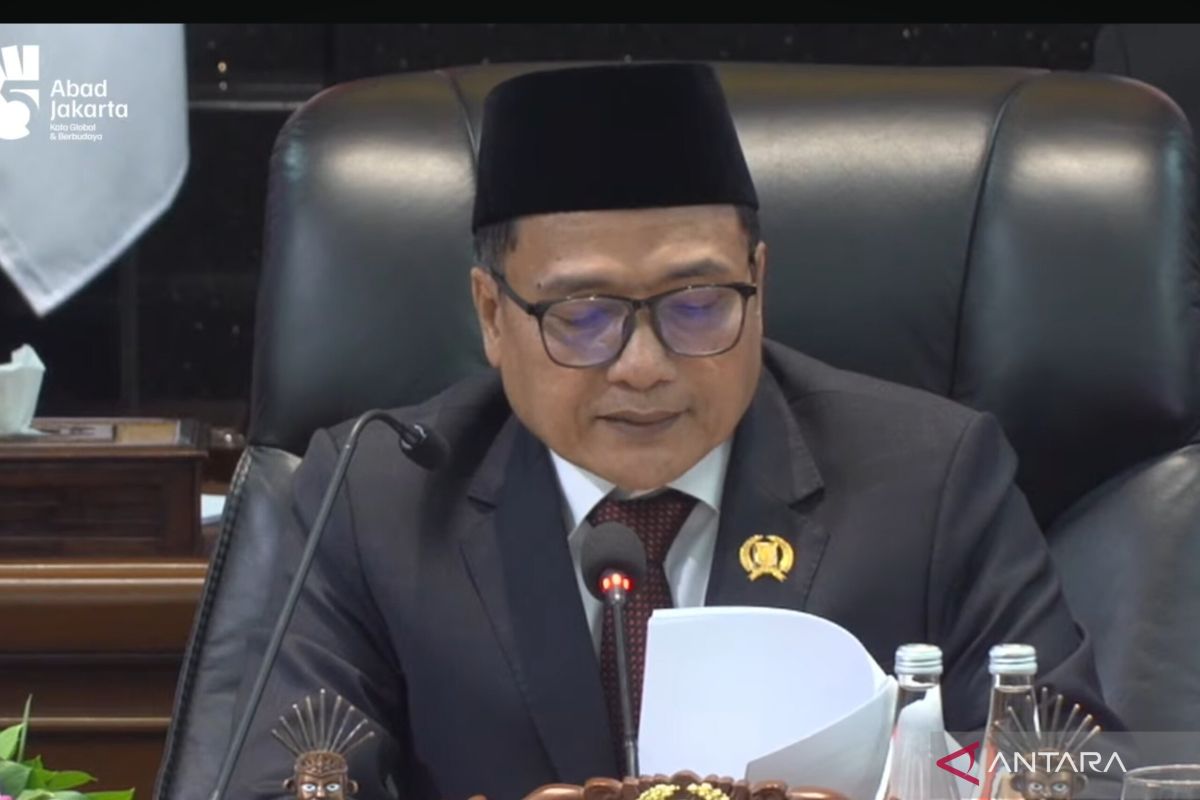
The DPRD of DKI Jakarta Province has approved the draft regional regulation (Raperda) on the Implementation of the Food System and the Raperda on Environmental Protection and Management (RPPLH) to be enacted as regional regulations (Perda).
With this approval, the draft regulations will be submitted to the governor for follow-up, in accordance with prevailing laws and regulations, said DPRD DKI Jakarta Chairman Suhud Alynudin during a plenary session in Jakarta on Wednesday. He expressed hope that the Governor of DKI Jakarta would consider the suggestions and expectations conveyed by the DPRD regarding both draft regulations.
On that occasion, the Chairman of the DPRD DKI Jakarta Regional Regulation Formation Agency (Bapemperda), Abdul Aziz, confirmed that the two draft regulations do not conflict with the public interest, morality, or higher laws and regulations. Every result of the facilitation by the Ministry of Home Affairs has been scrutinised proportionally while maintaining the substance agreed upon by the DPRD and the executive, Aziz stated.
The stages included the governor’s explanation, general submissions from factions, the governor’s response to the factions’ general views, public hearing meetings, article-by-article discussions, final review through a joint leadership meeting, facilitation by the Ministry of Home Affairs, and refinement of the facilitation results.
Aziz noted that the Raperda on the Implementation of the Food System serves as an important foundation for realising food resilience, sovereignty, and justice. The primary focus of the draft regulation includes halal, healthy, nutritious, and affordable food, protection of vulnerable groups, strengthening of food reserves and regionally owned enterprises (BUMD) in the food sector, inter-regional cooperation, food waste management, as well as supervisory data and accountability.
Meanwhile, the RPPLH serves as the direction for Jakarta’s environmental policy for the next 30 years. This document must become an ecological boundary for development and spatial planning so as not to exceed the carrying capacity and environmental capacity, while protecting residents and safeguarding their right to a good and healthy environment, Aziz emphasised.