
Jakarta Completes This Year’s Mobile Museum Programme
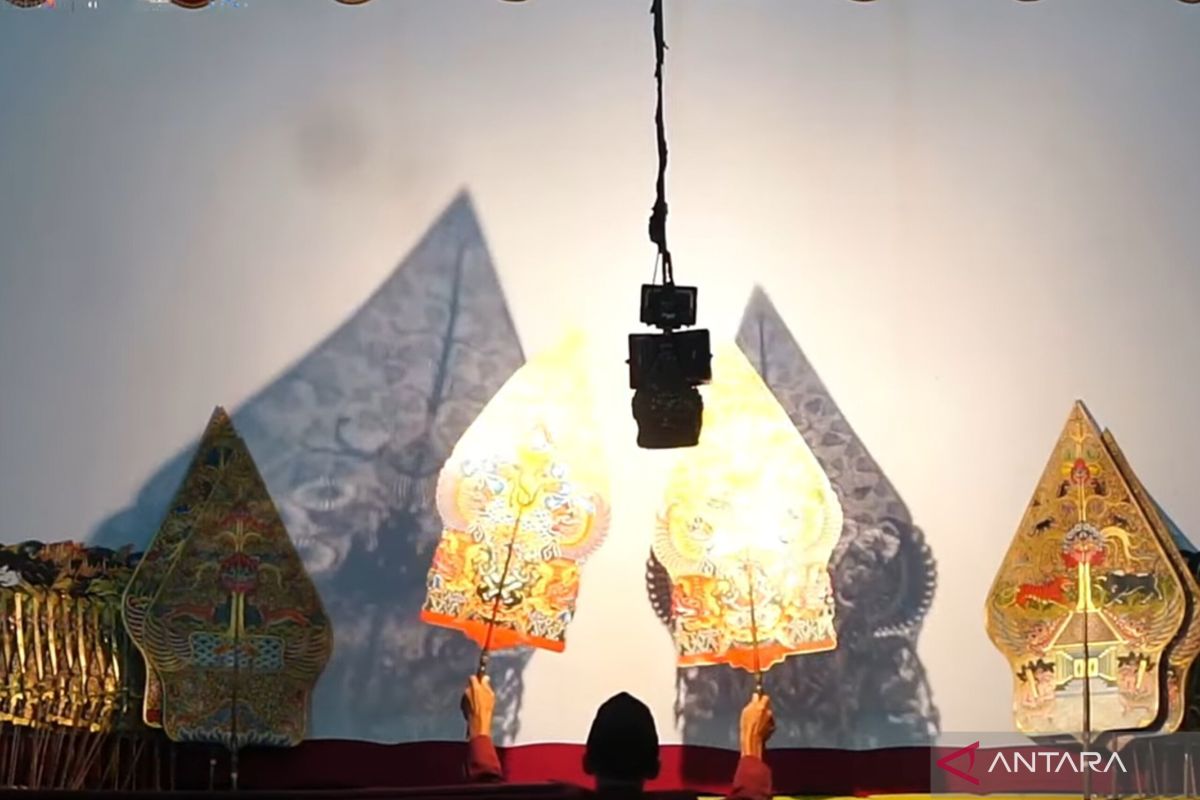
Jakarta (ANTARA) – The Jakarta Provincial Cultural Affairs Office has completed its Mobile Museum programme for the year, with three wayang performances held in 2026. The final performance took place at the Betawi Cultural Village in Setu Babakan, South Jakarta, on Saturday (7 November).
Sri Kusumawati, head of the Art Museum Management Unit at the Jakarta Provincial Cultural Affairs Office, said the other two performances were held at Fatahillah Square in the Kota Tua area of Taman Sari, West Jakarta, on 15 August 2026, and in Kampung Dukuh, Kramat Jati, East Jakarta, on 20 May 2026.
“The programme was funded through the 2026 non-physical special allocation for museums and cultural parks, which the Wayang Museum received from the Ministry of Culture,” she said at an event monitored in Jakarta on Monday.
With this funding, the Wayang Museum is seeking to extend its public services and cultural education beyond its collections and exhibitions inside the museum, using performances that people can experience directly in their communities.
The performances at Setu Babakan last weekend included Betawi Wayang Kulit and Yogyakarta Wayang Kulit. They formed part of efforts to preserve wayang as a world cultural heritage recognised by UNESCO.
“We want to encourage the public, particularly young people, to become more familiar with, appreciate and understand the noble values embedded in wayang,” Sri said.
Retno Setiowati, secretary of the Jakarta Provincial Cultural Affairs Office, said the government was committed to continuing to provide opportunities for the preservation, development and use of traditional culture. One way to do so was by staging wayang performances in public spaces, bringing people closer to the nation’s cultural heritage.
Retno stressed that UNESCO’s recognition of wayang as intangible cultural heritage in 2008 was not the end of efforts to preserve it. She said it was also necessary to ensure that wayang was not known merely as a heritage of the past, but continued to live, develop and be cherished by present and future generations.
Wayang, she added, was not merely entertainment but also a source of guidance. Through its stories and characters, audiences can learn about honesty, courage, loyalty, responsibility and the struggle to uphold the truth.
“I hope more young people will be interested in wayang—not only as audience members, but also as puppeteers, artists, researchers and cultural activists who will carry on the heritage passed down by our predecessors,” Retno said.