
Jakarta Closes Inclusive Market Digitalisation Programme, Opens 1,146 Accounts
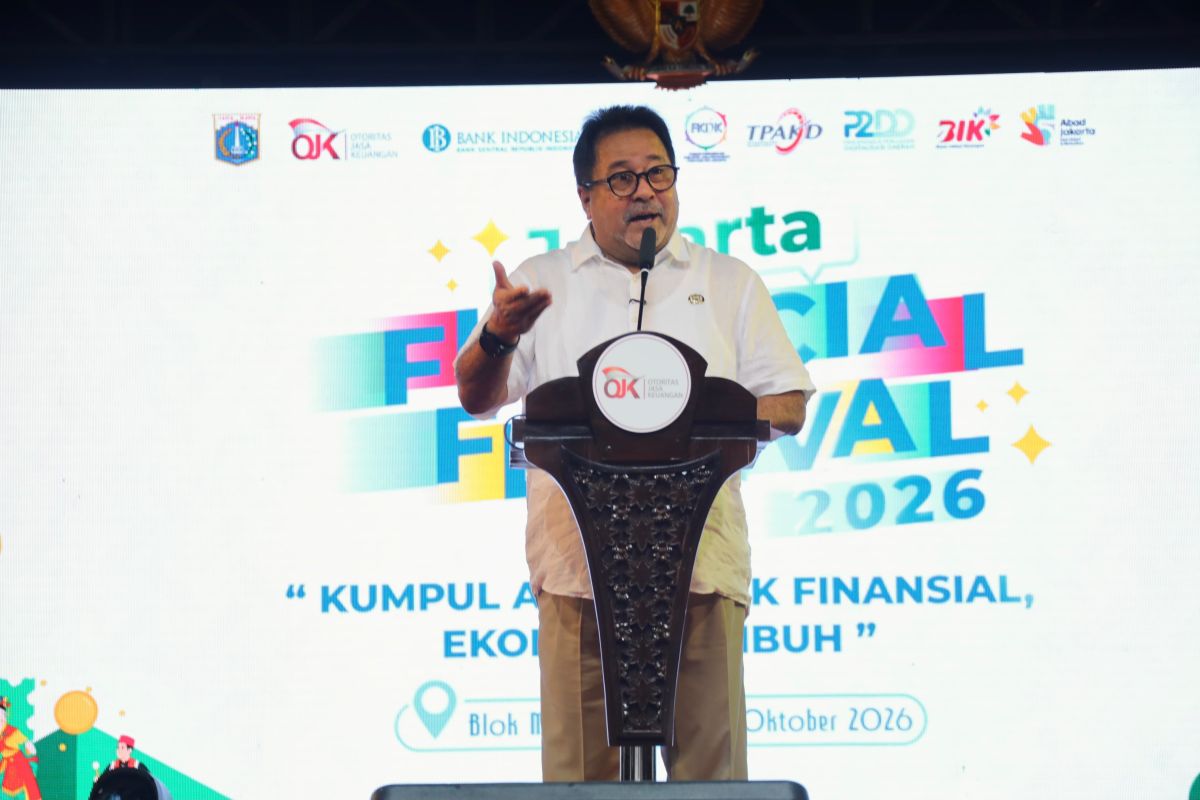
Jakarta (ANTARA) - The Jakarta Provincial Government has officially concluded the Inclusive Market Digitalisation Programme, which ran for more than a year and facilitated the opening of 1,146 accounts.
“Praise be to God, this programme has facilitated the opening of 1,146 accounts, supported access to financing for 99 borrowers, and brought in 139 Laku Pandai agents and 1,283 QRIS merchants,” Jakarta Deputy Governor Rano Karno said in an official statement received in Jakarta on Friday.
Rano said the programme, a collaboration between the Jakarta Provincial Government, Bank Indonesia, the Financial Services Authority (OJK) and regional-owned enterprise Perumda Pasar Jaya, had reached 93 markets in Jakarta and expanded formal financial access for thousands of traditional market traders in the capital.
He said the results demonstrated strong interest among business operators in formal financial services. However, the challenge ahead was to ensure the services continued to operate effectively and deliver lasting benefits to traders.
He stressed that assistance and empowerment for traders must continue, alongside measurable evaluation.
“We need to ensure that what has worked well is sustained, that any remaining obstacles are resolved, and that the programme’s benefits are extended to more markets,” he said.
The Inclusive Market Digitalisation Programme was designed to create a more modern, efficient and integrated market ecosystem.
The initiative was also part of broader strategic efforts to accelerate the digital economy and financial services, while strengthening Jakarta’s position as a global city.
Market digitalisation is also key to advancing an inclusive and sustainable, people-centred economic transformation.
One of the programme’s main focuses was increasing digital payments in traditional markets through the Quick Response Code Indonesian Standard (QRIS).
To that end, Bank Indonesia’s Jakarta office expanded participation by engaging more payment service providers (PSPs) from both the banking and non-bank sectors.