
Jakarta Begins Closing Two Active Zones at Bantargebang, Phasing Out Open Dumping
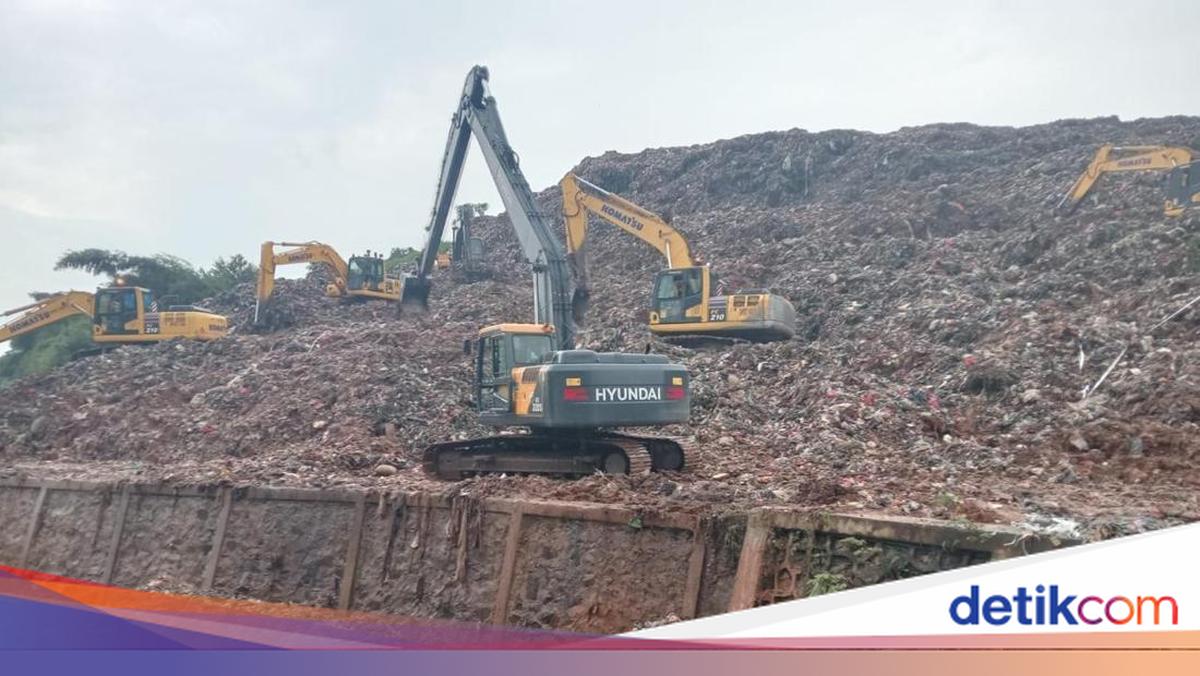
The Jakarta Provincial Government has begun gradually halting open dumping practices at the Bantargebang Integrated Waste Treatment Plant (TPST) in Bekasi. The initial phase involves closing two active waste disposal zones as part of the transition to a controlled landfill system.
Head of the Jakarta Environment Agency, Dudi Gardesi, stated that the controlled landfill system commenced on Friday (17/7). The Integrated Waste Management Unit team first installed cover media on the upper area of Zone 2 at the Bantargebang TPST.
‘The installation of cover media is a concrete step to reduce odour, help control gas emissions, and minimise the formation of leachate caused by rainwater entering the waste pile area,’ Dudi said in a statement on Monday (20/7/2026).
Dudi explained that the system is implemented by rotating disposal points every seven days. Areas that have been used for waste disposal will be covered for seven days, while disposal activities are diverted to other prepared points. He noted that this mechanism is necessary to maintain the stability of the landfill area while improving environmental impact control during the transition to a controlled landfill.
‘With more disciplined disposal point management, waste handling at the Bantargebang TPST can be carried out more safely, measurably, and under control,’ he said.
In addition to installing cover media, the Jakarta Provincial Government will also gradually install geomembranes in the landfill area. This material serves to enhance the protection of the waste pile area while supporting leachate management and environmental impact control.
Dudi said the covering of disposal points using protective media and geomembranes is carried out through collaboration with the private sector using a creative financing scheme. Several companies have also reportedly expressed their commitment to providing support through corporate social responsibility programmes.
‘The covering of disposal points using protective media and geomembranes is implemented through collaboration with the private sector using a creative financing mechanism. This collaboration enables accelerated improvements without relying solely on government funding,’ he explained.
He assessed that business involvement is an important part of ensuring that material needs in the field can be met according to technical standards. According to him, Jakarta’s waste problem requires collaboration between the government, businesses, and the community.
Meanwhile, the Jakarta Provincial Government also continues to encourage residents to sort and reduce waste at the source. Downstream improvement efforts through the application of technology and enhanced operational standards must run in parallel with changes in public behaviour.
‘We will consistently implement every stage of the controlled landfill so that open dumping practices can be phased out. With the support of all stakeholders, we are optimistic that the Bantargebang TPST can be managed to increasingly better standards, safely for the environment, and provide real benefits to the community,’ he concluded.