
Jakarta Bay Polluted with 5 Heavy Metals, Beware of Clams and Crabs
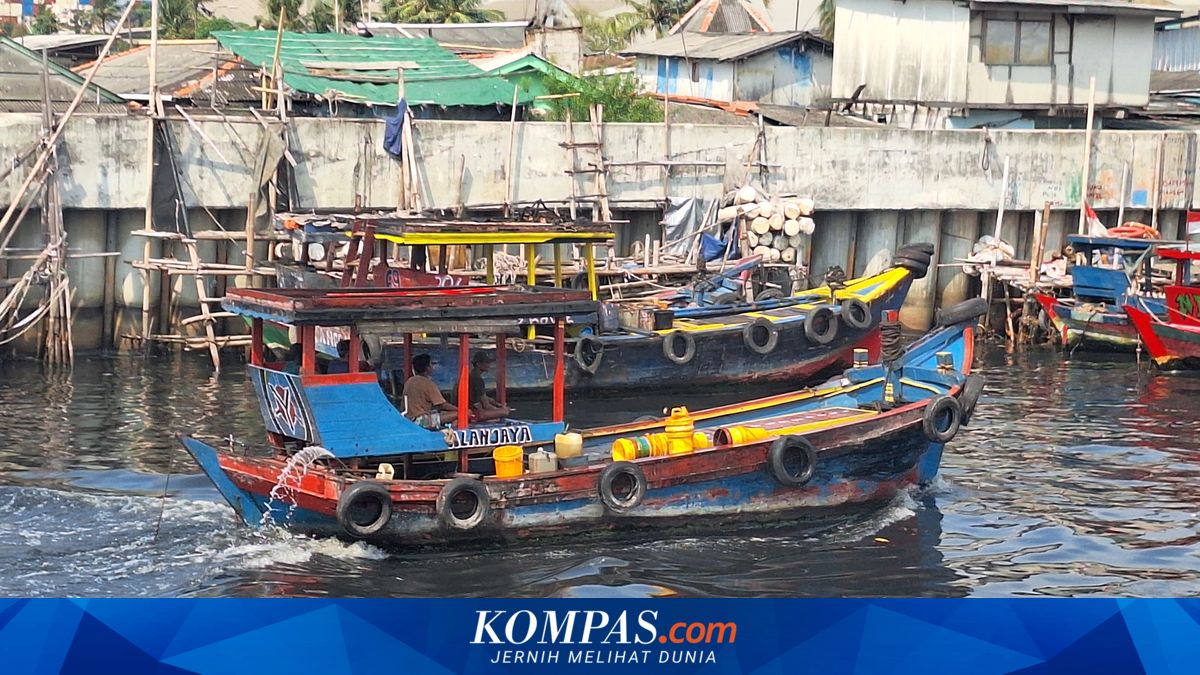
Results from the latest research by a team of researchers from the National Research and Innovation Agency (BRIN) have uncovered a worrying fact regarding the ecosystem conditions in Jakarta Bay.
Five types of heavy metals have been found to contaminate the marine sediments in the area, namely zinc (Zn), copper (Cu), nickel (Ni), lead (Pb), and cadmium (Cd).
The concentrations of these dangerous pollutants were found to be highest in coastal areas close to land, densely populated regions, and industrial zones.
This situation reinforces the strong correlation between extensive human activities on land and the decline in marine environmental quality.
Yet, this area plays a vital role in terms of economy, transportation, and fisheries.
Based on analysis of various environmental indices, zinc (Zn) is the most dominant pollutant. In fact, levels of Zn, lead (Pb), and copper (Cu) at several locations have exceeded international standard thresholds.
“This condition has the potential to impact the marine ecosystem, especially for benthic aquatic organisms that live in direct contact with the sediments,” said Idha in his statement on Thursday (7/5/2026).
Marine sediments act as stores for pollutants entering from various river mouths, domestic waste, and port activities. Due to their nature that is difficult to break down, these sediments can become a long-term source of pollution that may release heavy metals back into the water column at any time.
Another researcher from BRIN’s Centre for Oceanography Research, Lestari, highlighted the risk of these heavy metals entering the food chain through the Risk Assessment Code (RAC) method. The results show that zinc (Zn) has a high potential for absorption by marine organisms at nearly all observation points.
“Heavy metals that are absorbed can accumulate in the bodies of marine organisms, particularly clams, crabs, and other benthic biota. If these organisms are consumed by humans continuously, heavy metals can enter the body and increase long-term health risks,” explained Lestari.
“Therefore, heavy metal pollution is not only an environmental issue but also directly related to the food security of coastal communities and consumers of marine products,” clarified Rachma.
Addressing this pollution requires integrated steps from upstream to downstream. Controlling industrial waste, improving domestic wastewater treatment systems, and educating the public on seafood consumption are key to ensuring Jakarta Bay remains able to support a healthy ecosystem and provide safe food sources for the community.