
Jakarta Announces Priority Programmes for Residents: KJP, Senior Citizen Cards, and Infrastructure
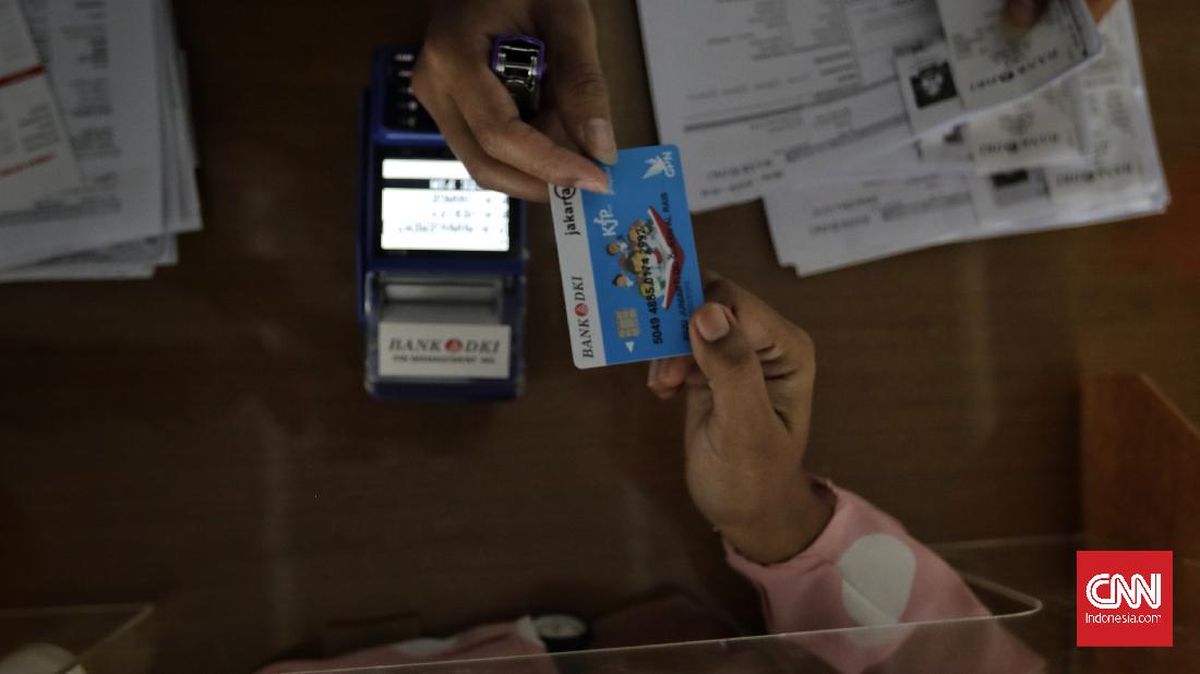
The Jakarta Provincial Government has announced a number of priority programmes to improve the quality of life for its citizens in commemoration of the city’s 499th anniversary. In a speech delivered by Deputy Governor Rano Karno, the administration affirmed its commitment to transforming Jakarta into a global city while strengthening public welfare through initiatives in education, health, social affairs, transportation, and infrastructure. “One year from now, Jakarta will enter its fifth century. This momentum must serve as a starting point to prepare for a more advanced, competitive, sustainable, and humane future for the city,” Rano stated during a plenary session of the Regional Legislative Council (DPRD) this week. He stressed that Jakarta must be a city open to the world yet faithful to its culture, economically strong yet warm in humanity. The list of programmes includes the distribution of the Jakarta Smart Card (KJP) Plus Phase I 2026 to over 707,000 students, the Jakarta Superior Student Card (KJMU) to more than 15,000 university students, a free private school programme in 103 schools, a diploma amnesty programme, and the development of a Regional Superior Scholarship scheme. In the health sector, the government is building the Royal Batavia Cakung Hospital, preparing for the construction of an international-standard regional hospital in Grogol Petamburan, providing home service-based healthcare through the ‘White Troops’ (Pasukan Putih), and offering a 24-hour mental health service called JakCare. Social assistance includes the distribution of aid through the Jakarta Senior Citizen Card (KLJ), the Jakarta Disability Card (KPDJ), and the Jakarta Children’s Card (KAJ) to a total of 187,706 beneficiaries. Infrastructure and environmental programmes involve city infrastructure development and revitalisation, improving settlement quality, adding green open spaces, constructing retention basins, and expanding the Car-Free Day (HBKB) area on H.R. Rasuna Said. Transportation projects include the construction of MRT Jakarta Phase 2A and LRT Jakarta Phase 1B, alongside strengthening an integrated public transport system to support transit-oriented development. For city governance, a real-time CCTV system will be integrated and connected to security forces to support security and data-based city management. Beyond outlining these programmes, Rano noted that Jakarta continues to show positive economic performance, with the economy growing by 5.59 per cent in the first quarter of 2026, contributing 16.67 per cent to the national economy. He stated that Jakarta’s development is not solely oriented towards economic growth but also towards improving the quality of life through strengthening the education, health, and social protection sectors.