
Jakarta Anniversary: East Jakarta City Govt Strengthens Waste Sorting and Biopore Movement
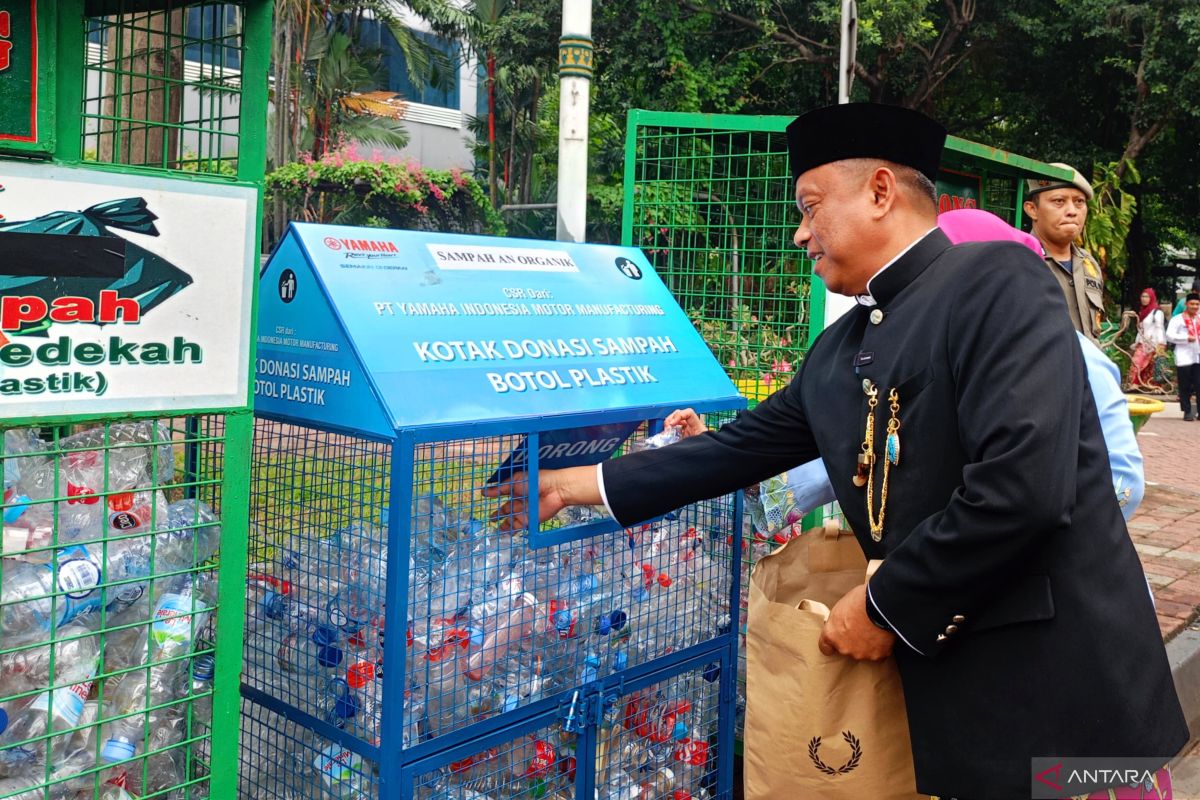
The East Jakarta City Government is strengthening the waste sorting movement and the creation of biopores to commemorate the 499th Anniversary of Jakarta. East Jakarta Mayor Munjirin stated at the East Jakarta Mayor’s Office on Monday that the DKI Jakarta anniversary began with a series of waste sorting activities, in line with previous planning. He mentioned that special bins have been provided within the Mayor’s Office complex to separate various types of organic and inorganic waste, allowing plastic bottles, cardboard, and paper to be sorted by type to facilitate the waste collection and recycling process. The waste sorting movement involves all civil servants within the East Jakarta City Government as an effort to build a culture of clean and sustainable living. Munjirin said this step is one of the efforts to reduce the volume of waste at the Bantargebang Integrated Waste Treatment Plant while increasing public awareness about the importance of managing waste from its source. Additionally, the East Jakarta City Government has built several jumbo biopores in the Mayor’s Office area to assist in processing organic waste and improving the soil’s ability to absorb water. Munjirin expressed optimism that the development of Black Soldier Fly maggots, composters, and biopores could be a long-term solution to reduce waste generation while building a more responsible and sustainable waste management culture in the community. He stated that organic waste management needs to be a priority because most household waste comes from food scraps, vegetables, fruits, and leaves. If not processed from the source, the volume of waste sent to the Bantargebang TPST will continue to increase. One innovation that has received attention is the Jumbo Biopore Programme in RW 014, Pondok Kelapa Urban Village, which is considered successful in combining organic waste management with environmental conservation efforts. There are 150 Jumbo Biopore points serving around 300 houses in RW 014 Pondok Kelapa. Household organic waste, including kitchen and food scraps, is placed into the biopore holes to be processed into compost. With this pattern, organic waste can be managed directly within the community and not entirely sent to the final processing site.