
Jakarta Air Quality Ranks 4th Worst in the World
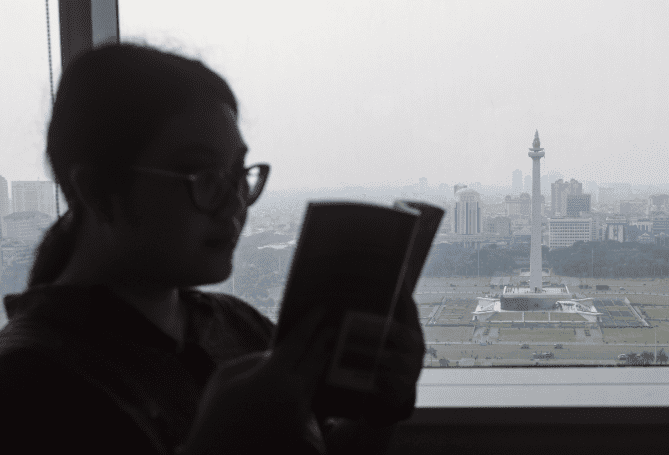
Jakarta’s air quality has become a major concern once again. According to data from the IQAir monitoring website on Friday (31/7) at 06:00 WIB, Jakarta ranked fourth among the cities with the worst air quality in the world. The Air Quality Index (AQI) in the metropolis reached 147, falling into the category of unhealthy for sensitive groups. Due to these conditions, the public is advised to wear masks when engaging in outdoor activities.
Kinshasa (Democratic Republic of the Congo) holds the first rank for the world’s worst air, with an AQI of 174, followed by Kampala (Uganda) in second place with an AQI of 154, and Lahore (Pakistan) in third with an AQI of 151.
Responding to this situation, the Jakarta Provincial Government (Pemprov DKI) is preparing three main strategies to suppress pollution. One of these involves expanding the reach of the Transjabodetabek service to reduce the use of private vehicles, including routes such as Blok M–Alam Suteral, Blok M–PIK 2, and plans for a new route from Blok M to Soekarno-Hatta Airport.
Jakarta Governor Pramono Anung has encouraged the public to make greater use of public transport. The Provincial Government has even issued regulations to waive public transport fares for 15 specific groups of people. Currently, Jakarta’s transport connectivity has reached 92 per cent, placing Jakarta 17th globally and second in ASEAN, following Singapore.
This step is considered crucial given that the transport sector contributes up to 50 per cent of exhaust emissions in Jakarta. Consequently, Pramono aims to have 10,000 Transjakarta electric bus units operational by 2030.
In addition to the transport sector, waste management is also a priority for the Jakarta Provincial Government through the accelerated construction of Intermediate Treatment Facility (ITF) waste processing plants in Sunter, Rorotan, Bantargebang, and West Jakarta. This project is targeted to begin operations by mid-year.
“If this can be achieved, it will provide a significant contribution to reducing existing emissions in Jakarta,” he concluded.
The Tangerang Raya area, specifically South Tangerang and Tangerang City, also ranks among the regions with the highest levels of air pollution in Indonesia.
Paediatric specialists have also warned of the importance of maintaining a healthy home environment, free from formaldehyde and excessive fragrances, to support optimal child development. Dr Wahyuni Indawati, a paediatric specialist at RSCM, urged the public to remain vigilant against both outdoor and indoor air pollution to prevent respiratory issues, noting that Jakarta has experienced no rainfall for nearly three weeks, leading to drought in several areas.