
Jabodetabek's Fuel Dependence: Shifting to Sustainable Transportation
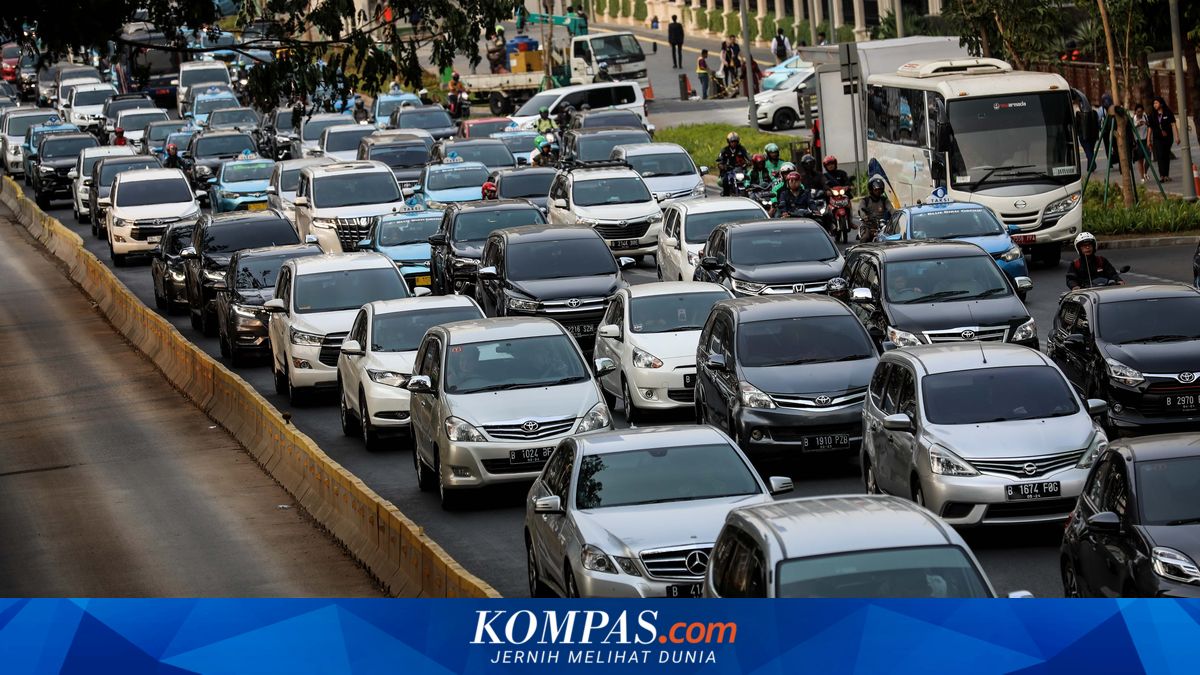
JAKARTA - Mobility in the Jabodetabek area continues to be dominated by private fuel-based motor vehicles. Dependence on private fuel-based motor vehicles becomes serious when there are disruptions in fuel supply, particularly during geopolitical conflicts in the Middle East region. The central government has issued several options to respond to the threat of an energy crisis, ranging from implementing Work From Home once a week, limiting sales of subsidised fuel with a quota system per vehicle, to several other long-term measures such as the adoption of electric vehicles and renewable new energy development projects. Rahmad Wandi Putra, Senior Transport Associate at ITDP Indonesia, said that despite various global crises impacting Indonesia, the Indonesian government has yet to be spurred into prioritising the development of sustainable transportation. “For urban areas, more fundamental steps should be directed towards strengthening sustainable transportation, including facilities for walking, cycling, and mass public transport, accompanied by the provision of affordable decent housing in the city centre,” he said, quoted from an official statement on Wednesday (29/10/2026). The first test came during the mass blackout that struck Java-Bali in August 2019. Rail-based services such as KRL and MRT were completely paralysed due to dependence on the interrupted electricity supply, and even online motorcycle taxi applications could not function. Transjakarta then became the sole backbone of Jakarta residents’ mobility amid that extraordinary crisis. However, on the other hand, when floods hit Jakarta, MRT and LRT became mobility options for residents to travel. “Amid those limitations, bicycles found their moment. Considered safer because they are individual and done in open spaces, bicycle usage surged significantly in various cities,” said Rahmad. Therefore, according to Rahmad, these extraordinary crisis events equally show one thing: a resilient transportation system is not just about how sophisticated its technology is, but how adaptive that transportation is in facing unexpected crises.