
It's time for Indonesian women to determine the direction
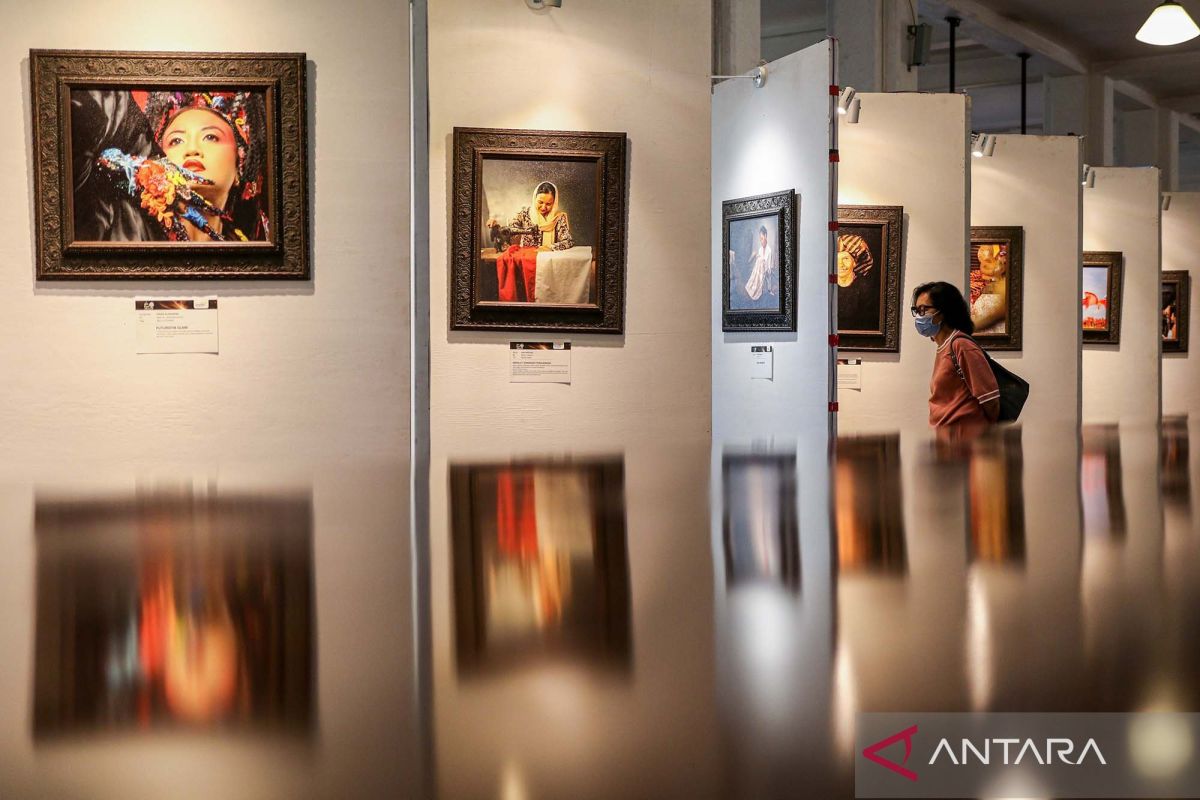
If we truly wish to continue Kartini’s legacy, Indonesian women must be present not only as part of the system but as architects of the future. Jakarta (ANTARA) - Indonesian history shows that major changes often begin with the courage of individuals to transcend the boundaries of their time. One of the key milestones is Raden Ajeng Kartini. Born in Jepara in 1879 into a Javanese priyayi environment that upheld strong traditions, Kartini experienced basic education before being confined to pingitan. During this phase, women were no longer free to leave the house, could not continue their education, and were prepared for marriage—a system that closed off opportunities for women’s potential to develop. However, Kartini did not stop at those limitations. She read European literature, absorbed modern ideas, and corresponded with friends in the Netherlands. In her letters, she questioned the injustices faced by women: why women could not pursue higher education and why they were only positioned as complements in social life. Even when about to marry, Kartini stipulated that she be allowed to establish a school for women. This step showed that from the beginning, she did not merely accept the situation but sought to change it from within the restrictive system. Her life was indeed short. Kartini passed away in 1904, a few days after giving birth to her first child. But her thoughts did not cease. Her letters were compiled and published in the book Habis Gelap Terbitlah Terang in 1911, which became the foundation for awareness of the importance of education and gender equality in Indonesia. From this emerged a wave of change that continues to move, influencing education policies, women’s movements, and societal views on women’s roles. More than a century later, we witness significant changes. Indonesian women are now present in spaces that were once tightly closed. Data from the Central Statistics Agency shows that women’s access to education is on par with men’s at various levels. In fact, in some age groups, women demonstrate higher achievements. Women are also increasingly involved in the workforce, from the health, education, and creative economy sectors, and are beginning to occupy leadership positions in various fields, both at local and national levels. However, from my perspective as part of the Indonesian Women’s Congress and the Women20 delegation, we need to view these achievements more critically. Access does not always mean power. In various global forums, the issue that keeps emerging is the gap between participation and influence. Women are present in greater numbers, but not always in positions that determine policy directions. Women work and contribute to the economy, but do not always have control over resources. Women are highly educated, but do not proportionally occupy strategic positions in decision-making. This phenomenon is not unique to Indonesia. UN Women’s report indicates that the gap between access and leadership is a systemic global challenge. Thus, women’s struggles have entered a new phase—not just opening doors, but ensuring who can step further, lead, and determine the direction of change.