
ITS Professor Develops Innovation to Reduce Maritime Accidents
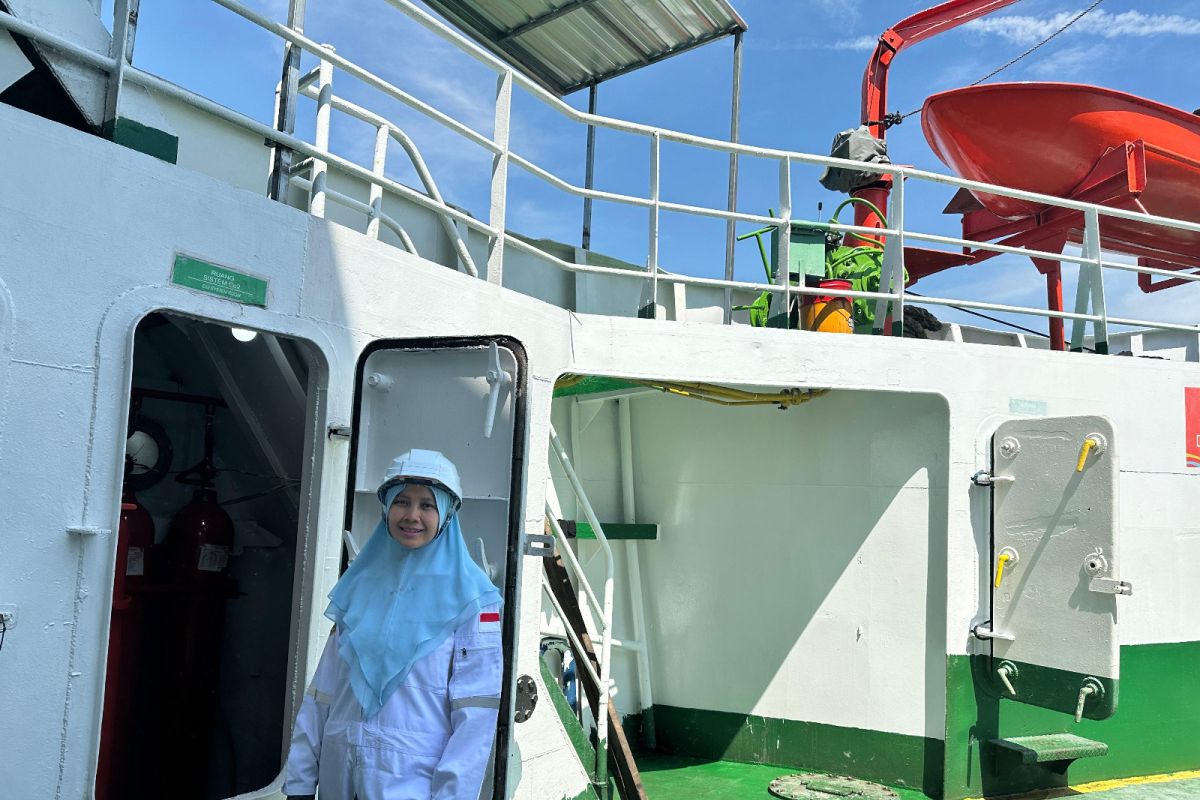
Professor Ir Silvianita ST MSc PhD, a leading academic at the Sepuluh Nopember Institute of Technology (ITS) in Surabaya, East Java, has developed a risk management innovation designed to reduce maritime accidents through an integrated system that improves the safety and reliability of infrastructure in the national maritime sector. “Risk management is not just about avoiding accidents, but ensuring every decision results in safer and more sustainable operations,” said the first female professor from ITS’s Faculty of Marine Technology (FTK) on Thursday. The lecturer from ITS’s Department of Ocean Engineering introduced the integrated systems Methodology for Investigation of Critical Hazards (MIVTA) and Methodology for Investigation of Risk-Based Maintenance (MIRBA), which she developed for risk management in the maritime sector. “MIVTA is used to detect potential hazards early, while MIRBA helps determine the most appropriate mitigation steps to minimise the risk of accidents,” she said. MIVTA works by identifying various potential hazards in an operation, searching for root causes, and assessing the likelihood and level of impact that could result. This process forms the basis for prioritising risks that require further attention. To maximise its function, Silvianita integrated the Fuzzy Logic method into the system. According to her, this method allows conditions that are difficult to measure precisely to be processed into more objective values. “With this, we can capture uncertainties in the field that have been difficult to quantify,” she said. The risk ranking results from MIVTA are then processed using MIRBA. By combining several analytical methods, MIRBA helps determine appropriate preventive actions and maintenance strategies based on the identified risk levels. Both methodologies not only serve as risk analysis tools but also as a framework for more measured decision-making. Through this approach, maritime infrastructure management can be conducted in a more targeted, effective, and sustainable manner. Silvianita emphasised that risk management should not be viewed merely as an administrative document, but must become an integral part of organisational strategy to improve the safety, reliability, and sustainability of maritime infrastructure. The method has been applied to the loadout process, a high-risk stage in the maritime industry involving the transfer of offshore platforms onto transport vessels. The results showed the system was able to identify a number of priority risks that could potentially cause workplace accidents. Through MIVTA and MIRBA, the process of risk identification, evaluation, and mitigation can be carried out in a more measured way, thereby reducing the potential for workplace accidents and operational failures from the planning stage. The innovation also supports the Sustainable Development Goals (SDGs), particularly goal eight on decent work and economic growth, goal nine on industry, innovation, and infrastructure, and goal 14 concerning marine ecosystems. Silvianita expressed hope that MIVTA and MIRBA would be widely adopted by the oil and gas industry and the national maritime sector so that project risk evaluations can be conducted in a more structured manner.