
It's Not Rice: These Are the Three Habits That Cause Indonesians to Gain Belly Fat
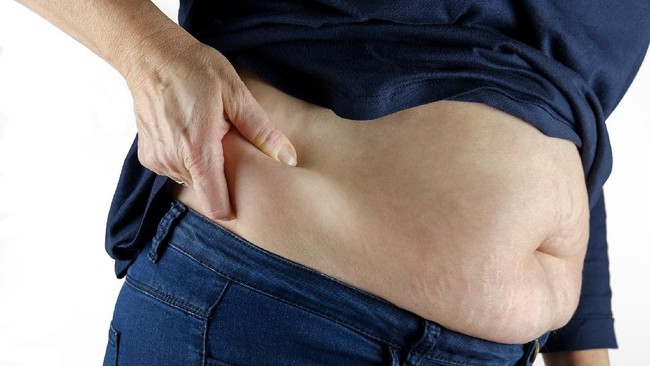
Jakarta, CNBC Indonesia - A protruding stomach is a common complaint among many people, especially due to unhealthy lifestyle patterns such as lack of physical activity and high consumption of fatty foods.
This condition not only impacts health but also often affects appearance and reduces a person’s self-confidence.
For a long time, belly fat has been associated with excessive rice consumption. However, in reality, rice is not the main cause of fat accumulation in the abdominal area.
It turns out that there are several habits that contribute to causing belly fat. These habits are often practiced by people, including Indonesians.
- Eating crackers
Crackers are often considered a light snack because of their crunchy texture and seemingly “empty” calories, but this food can contribute to belly fat if consumed in excess. Most crackers are made from tapioca flour or other flours that are high in simple carbohydrates and low in fiber, so they are quickly digested by the body and do not provide long-lasting satiety. As a result, a person tends to eat more without realizing it, both of the crackers themselves and other accompanying foods.
In addition to being high in carbohydrates, crackers are generally fried in oil and contain quite a lot of salt. This combination of fat, sodium, and calories can trigger the accumulation of body fat if intake is excessive and not balanced with physical activity. The high salt content also makes the body retain more fluid, so the stomach feels fuller, bloated, and appears to bulge temporarily.
The other problem is that crackers are often eaten as a complement to almost every meal, from fried rice to meatball soup and soto. This habit increases total daily calorie intake without being noticed because crackers are rarely considered “main food”. If consumed continuously in large portions, especially together with a high-sugar and high-fat diet and lack of exercise, the habit of eating crackers can contribute to weight gain and fat accumulation in the abdominal area.
- Eating close to bedtime
Ideally, you should consume your last meal three hours or more before bed.
“When we sleep, we turn off digestion and try to repair and heal our bodies. If there is food that needs to be digested in the intestines, it distracts the body from healing because it focuses on digesting food,” said nutritionists from The Nutrition Twins, Tammy Lakatos Shames and Lyssie Lakatos.
When sleeping, the body tries to store energy, recover, and repair; these calories are not used properly and can end up as belly fat.
Research shows that eating too late disrupts your circadian rhythm and has a negative impact on blood sugar regulation and fat metabolism.
- Consumption of Sweet Foods
Sweet foods are very common in everyday life, ranging from sweet iced tea to other sweet snacks such as cheese martabak.
A single packaged drink can contain 25 grams of sugar. The body receives a large amount of calories and sugar with little or no nutritional value in one meal. This can lead to weight gain and increase fat storage, especially in the abdominal area.