
ITS Hydrodynamics Expert Highlights Seakeeping Issues in KM Virgo Incident
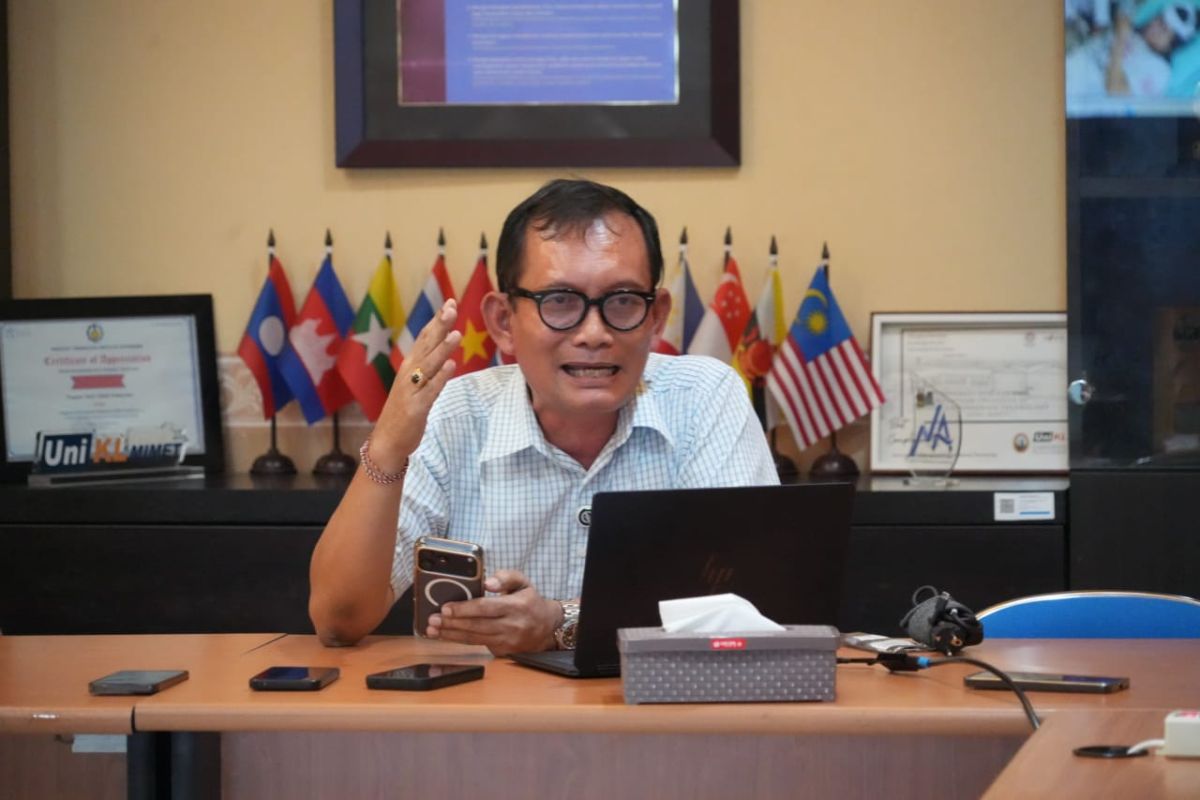
Surabaya, East Java (ANTARA) — Professor Ir I Ketut Aria Pria Utama, a hydrodynamics expert at the Sepuluh Nopember Institute of Technology (ITS) in Surabaya, has highlighted the aspect of seakeeping — a vessel’s performance at sea — in the capsizing of the motor vessel KM Virgo Transport 8 near the Masalembu Islands, Sumenep, East Java.
The professor from the Department of Naval Architecture at ITS’s Faculty of Marine Technology said the suitability of a ship’s design to the characteristics of the waters in which it operates deserves attention, particularly for vessels operating in Indonesia.
“What needs to be scrutinised is whether that Japanese-built ship design is suitable and recommended for sailing in Indonesian seas with high waves,” Professor Ketut said in Surabaya on Tuesday.
According to Ikap, as Professor Ketut is known, the seakeeping aspect — a ship’s ability to cope with wave conditions — is often overlooked, which can trigger problems with stability and the comfort of ship motion during operations.
KM Virgo Transport 8, which capsized in the Java Sea near the Masalembu Islands on Sunday (13/9/2026), is known to be an imported vessel from Japan, approximately 30 years old.
However, Ikap said a ship’s age should not be the main issue as long as it is properly maintained.
He explained that the characteristics of Japanese waters differ from those of Indonesia.
Distances between islands in Japan are relatively short, whereas Indonesia has open waters with the potential for large waves.
“These extreme sailing route characteristics demand different hull design standards,” he said.
According to Ikap, roll-on/roll-off (roro) ferries from four-season countries generally have fully enclosed hulls.
KM Virgo Transport 8 is also a roro vessel.
Meanwhile, ships operating in Indonesia often have openings on their sides to save energy and reduce the tax burden on enclosed spaces — a practice that poses a risk to ship stability.
Ketut also raised the possibility of large volumes of water entering the ship’s hull due to bad weather, high waves, or a ramp door that is not tightly shut or watertight.
Water that floods a ship’s deck without an adequate pumping system can create a free surface effect, or sloshing effect, causing the vessel to roll unstably.
“This risk is further exacerbated if the vehicles loaded on board are not properly secured, so they shift and drastically alter the ship’s centre of mass,” Ikap said.
Beyond the technical factors, he believes passenger safety also needs attention through education and safety procedures before a ship departs.
“This is crucial to ensure passengers understand independent evacuation steps in anticipation of unexpected emergencies at sea,” Professor Ketut said.