
ITPLN Rector Urges Graduates to Be Adaptable in the Face of AI and the Energy Transition
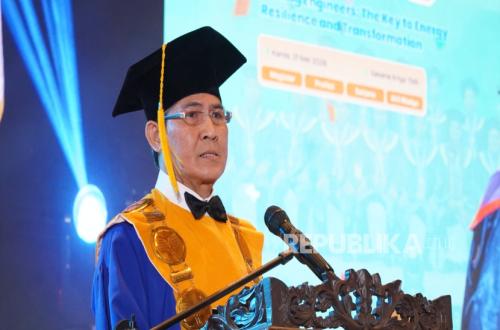
Jakarta — The acceleration of the energy transition and the growth of artificial intelligence (AI) are seen as transforming world labour needs significantly. As a result, engineering graduates are required to be more adaptable to compete amid the ongoing transformation of the energy and technology industries worldwide.
This was stated at the 48th graduation ceremony of Institut Teknologi PLN (ITPLN), which graduated 424 students in Jakarta under the theme ‘Outstanding Engineers, The Key to Energy Resilience and Transformation’.
ITPLN Rector Iwa Garniwa Mulyana said the labour market today moves very quickly in line with technological change, the energy transition, and global geopolitical dynamics. He argued that engineering graduates should not only master academic skills but also be able to adapt to industry changes.
‘ITPLN is not just an energy campus, but a campus for energy transition. We are facing a situation moving toward net zero emissions and extraordinary energy geopolitics challenges,’ he said, in a statement on Thursday (21 May 2026).
According to him, this year’s graduation theme underlines the importance of engineering talent who are innovative and capable of supporting national energy resilience amid the transforming global energy sector.
Iwa noted that developments in AI, changes in the energy supply chain, and increasing geopolitical pressures present new challenges that graduates must face. Therefore, adaptability becomes a major factor in the professional world today.
‘The energy transition is accelerating, AI is changing how we work, geopolitics are heating up, and job markets are changing faster than curricula. The key word is adaptability,’ he added.
He also highlighted ITPLN students’ achievements at the international level. In a competition with more than 700 teams in Malaysia, ITPLN students won gold medals. He said this demonstrated that Indonesian talent can compete globally.
Meanwhile, Head of LLDIKTI Region III, Henri Togar Hasiholan Tambunan, said engineering graduates today need to strike a balance between technical ability and humane values.
He noted that while AI development and automation are indeed reshaping many technical jobs, technology cannot replace human empathy and social responsibility.
‘An outstanding engineer is not only about intellectual intelligence but also the heart they bring to work,’ said Henri.
He assessed that engineers’ future role will not only involve mastering technology but also contributing to environmental protection and expanding energy access for communities.
The 424 graduates come from various levels of education, ranging from diploma programmes, bachelor’s degrees, master’s programmes, to the Engineer Profession Programme.