
ITB Museum Opens as a Space for Learning History, Science, Technology, and Innovation
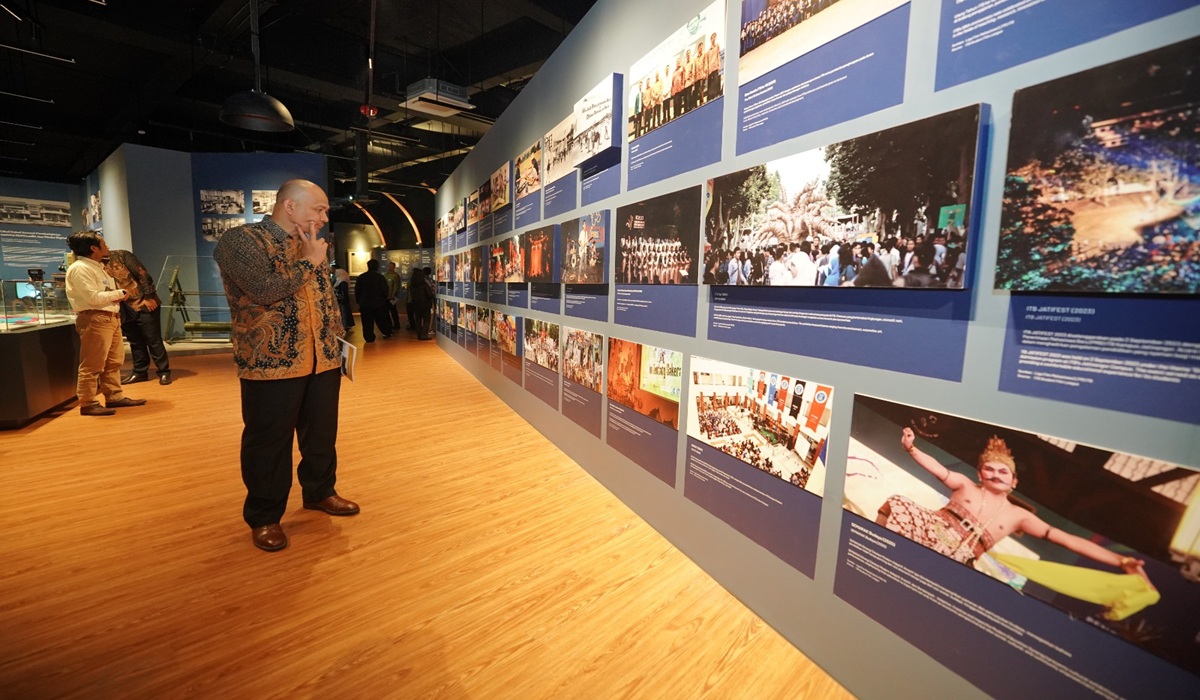
The Bandung Institute of Technology (ITB) now has a museum located in the Sasana Budaya Ganesha (Sabuga) Building area at the ITB Ganesha Campus in Bandung, West Java. The museum was inaugurated by Minister of Culture Fadli Zon on Friday (3/7) as part of the commemoration of 106 years of higher technical education in Indonesia, marking the presence of a space that immortalises the journey of higher education in engineering, science, technology, arts, and humanities in the country.
ITB Rector Prof. Dr. Tatacipta Dirgantara stated that the ITB Museum is a form of appreciation for the institution’s long journey, which is rooted in the Technische Hoogeschool te Bandoeng established in 1920. “For more than a century, ITB has been an important part of the development of Indonesian higher education, while also producing various leaders, scientists, innovators, artists, and thinkers who have contributed to the nation’s development,” he explained.
According to Tata, the ITB Museum is not merely a repository for historical objects but is present as a space for knowledge, reflection, and inspiration that connects the past, present, and future. Through this museum, he said, history is brought back to life as a source of learning to understand today’s challenges while building a better future. The idea of establishing the ITB Museum began in 2018 as part of the preparations for welcoming a century of higher technical education in Indonesia. The initiative started with the development of a digital museum to salvage and digitise various important archives and artefacts scattered across different units and private collections.
“In its development, this effort transformed into the construction of a physical museum that not only stores historical collections but also presents a contextual, living, and relevant learning experience for the public,” he revealed. Tata added that the ITB Museum is a bridge between previous generations and future generations. As a university museum, the ITB Museum serves as a centre for institutional historical documentation, a cross-generational learning space, a laboratory for the history of science, as well as a collaborative node between academics, alumni, industry, government, communities, and the public. The museum is also part of ITB’s digital transformation through the digitisation of collections and technology-based knowledge management, allowing it to be accessed more widely by the people of Indonesia and the world. “The main strength of the ITB Museum lies not in its building, but in the knowledge it presents. So this museum is not just a museum building; more importantly, it is the content. We can see history, then learn within it, and also look to the future,” he concluded.