
ITB Expert Reveals Reasons for Fuel Price Hike and Solutions
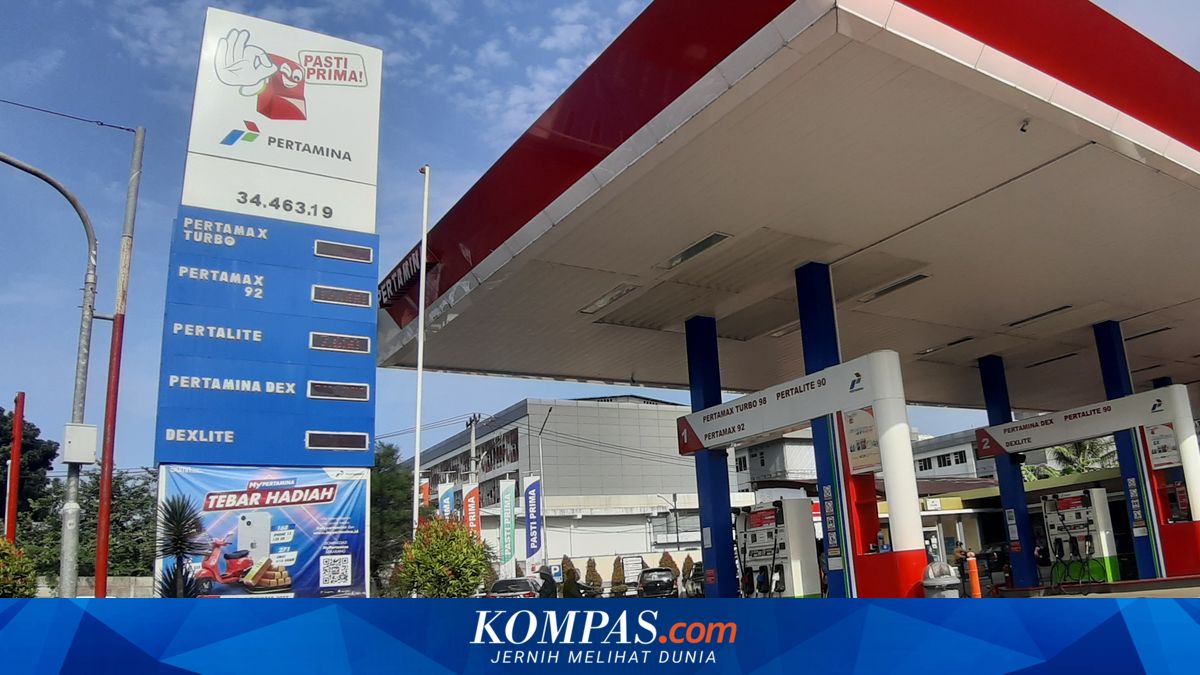
JAKARTA, KOMPAS.com – Prices of non-subsidised fuel (BBM) at several private petrol stations have begun to rise significantly. Editorial observations indicate that diesel prices at BP and Vivo stations have now reached Rp 30,890 per litre. This situation is inseparable from the escalating geopolitical tensions in the Middle East. The conflict involving the United States-Israel against Iran directly impacts the global energy supply chain. Disruptions in crude oil deliveries have naturally led to dwindling fuel stocks in various countries, forcing retail prices at petrol pumps to surge. Tri Yuswidjajanto Zaenuri, Professor at the Bandung Institute of Technology (ITB) and an expert in fuels and lubricants, explains that this phenomenon is purely a matter of economic law related to supply and demand. “If the supply happens to decrease as it is now, while demand remains high, prices will certainly rise. Internationally, most refineries are supplied with crude oil from the Middle East,” said Yuswidjajanto to Kompas.com recently. Furthermore, the man commonly referred to as Pak Yus elaborated that production costs at refineries automatically swell with the higher price of raw materials. “Now, the supply of petroleum is reduced because it’s hindered by the US-Israel vs Iran war. Automatically, the price of petroleum becomes more expensive. If the price of petroleum rises, then the price of fuel produced by the refinery also becomes more expensive,” said Yuswidjajanto. The situation is worsened by actions from several producer countries that are beginning to restrict export taps to secure their domestic reserves. This protectionist measure directly affects Indonesia, which still relies on BBM imports from the Singapore market. “Automatically, if China, for example, does not export, and it supplies to Singapore among others, then fuel prices in Singapore rise as well. We buy from Singapore, so our fuel prices rise too,” said Yuswidjajanto. Now, the hot potato is in the government’s hands to determine domestic price policies, whether to make adjustments or increase the subsidy burden. “Now, it’s up to the government whether to follow the price increase due to supply and demand law, or to hold the prices without providing subsidies. It could also be that subsidised fuel prices don’t rise, but non-subsidised ones do, to subsidise the subsidised fuel,” he stated. Previously, there were rumours circulating that the price of Pertamax (RON 92) would be hiked to Rp 17,000 per litre. Given the unstable fluctuations in global crude oil prices, Yuswidjajanto assesses that such a potential increase is very likely to occur.