
ITB Expert: B50 Biodiesel Strengthens Energy Security, Cuts Solar Imports
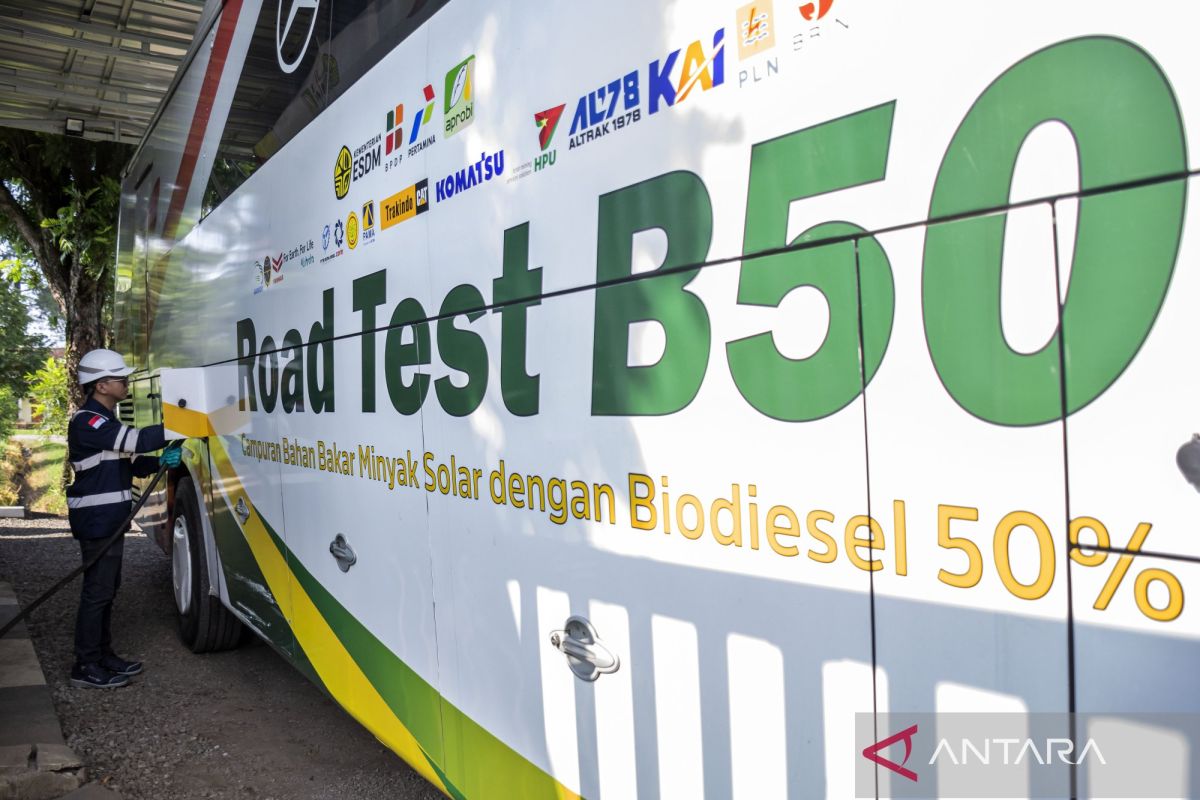
Jakarta (ANTARA) - The government’s plan to implement B50 biodiesel fuel is considered capable of strengthening national energy security while reducing Indonesia’s dependence on imported fossil-based diesel.
Professor Iman Kartolaksono Reksowardojo, a professor of mechanical engineering and an expert in combustion engines and renewable energy at the Bandung Institute of Technology (ITB), said increasing the biodiesel blend from B40 to B50 has the potential to enhance the utilisation of domestic energy sources because the raw material comes from vegetable oil produced within the country.
“The most tangible benefit that society can feel is a more secure energy supply. We do not depend on imports and the use of dollars because the raw materials are available in Indonesia,” Iman said when contacted from Jakarta on Friday.
Iman stated that biodiesel development is a strategic step amidst global energy market dynamics that can affect the availability and price of fossil fuels.
Beyond energy security, Iman assessed that the use of biodiesel also provides environmental benefits. Biodiesel contains oxygen that can help improve the combustion process, potentially reducing exhaust emissions such as carbon monoxide (CO), smoke, and unburned hydrocarbons.
The energy content or calorific value of biodiesel is relatively lower, but the presence of oxygen within it can support combustion quality and reduce emissions.
“Every technology has its advantages and disadvantages. Biodiesel’s calorific value is indeed lower, but from the combustion and emissions side, there are benefits to be gained,” said the ITB researcher.
This condition is supported by the abundant availability of vegetable raw materials in tropical regions. Professor Iman, who is also a professor at Pertamina University, said the potential for vegetable-based energy does not only come from palm oil but also from various other plants that can be developed as renewable energy sources in the future.
Iman, who is involved in a discussion forum related to B50 testing, said interim results indicate that the use of this fuel does not cause significant problems in the engines tested, provided the biodiesel specification quality is improved. However, the evaluation process is still ongoing to ensure readiness for wider implementation.
“This is important because Indonesia has a resource advantage to produce vegetable-based fuel. This potential must be utilised to support energy security as well as the transition towards more sustainable energy,” he said.