
Itamar Ben Gvir Criticises US-Iran MoU, Insists Israel Ready to Act Alone
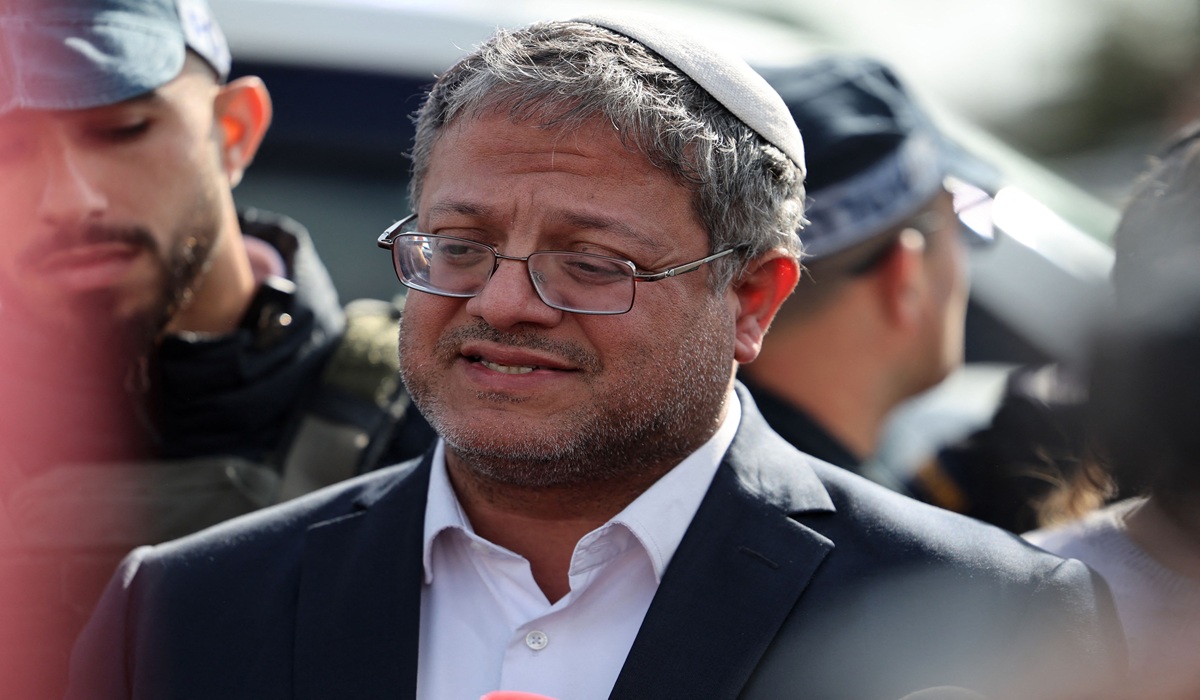
Israeli National Security Minister Itamar Ben Gvir has launched a sharp critique of the United States regarding the memorandum of understanding agreed between Washington and Tehran. Ben Gvir openly questioned Iran’s commitment to halting its nuclear programme and warned that Israel is prepared to take unilateral steps to safeguard its national security. In an interview with Israel’s Channel 7, broadcast on Tuesday, Ben Gvir described the US approach to Iran as unrealistic. He assessed that Iran will never truly abandon its nuclear ambitions. “The US is very naive if they think Iran will leave their nuclear programme and cancel it, and give up their dream of destroying Israel,” Ben Gvir asserted. Ben Gvir emphasised that Israel has full responsibility to face the strategic threat from Tehran without having to rely on international agreements he considers weak. He stated that Tel Aviv’s security policy must not be dictated by external pressure, even if it comes from a close ally like the US. The statement emerged amid reports that US President Donald Trump is pushing Israel to halt military operations in Lebanon. The move is part of implementing a temporary agreement between Washington and Tehran to ease regional tensions. “There is no circumstance that can force Israel to act according to the orders of a friend, even if that friend is truly great,” Ben Gvir added. The diplomatic tension is rooted in differing priorities in handling Middle East stability. Beyond the nuclear issue, political figures in Israel have also highlighted the neglect of Iran’s ballistic missile program in the recent negotiations. For Tel Aviv, Iran’s missile capability poses an equally significant threat as the nuclear programme, yet this has not become a primary focus in talks between Washington and Tehran. To date, the Israeli government under Prime Minister Benjamin Netanyahu continues to show a hardline stance, particularly regarding Hezbollah’s presence in Lebanon. Despite ongoing diplomatic pressure from Washington, Israel insists it will continue to maintain its troop presence in border areas to guarantee the safety of its citizens. This sharp divergence illustrates the major challenge in building a trilateral understanding between the US, Iran, and Israel, which will ultimately determine the direction of security stability in the Middle East in the near future.