
Isuzu supports implementation of Zero ODOL policy starting 2027
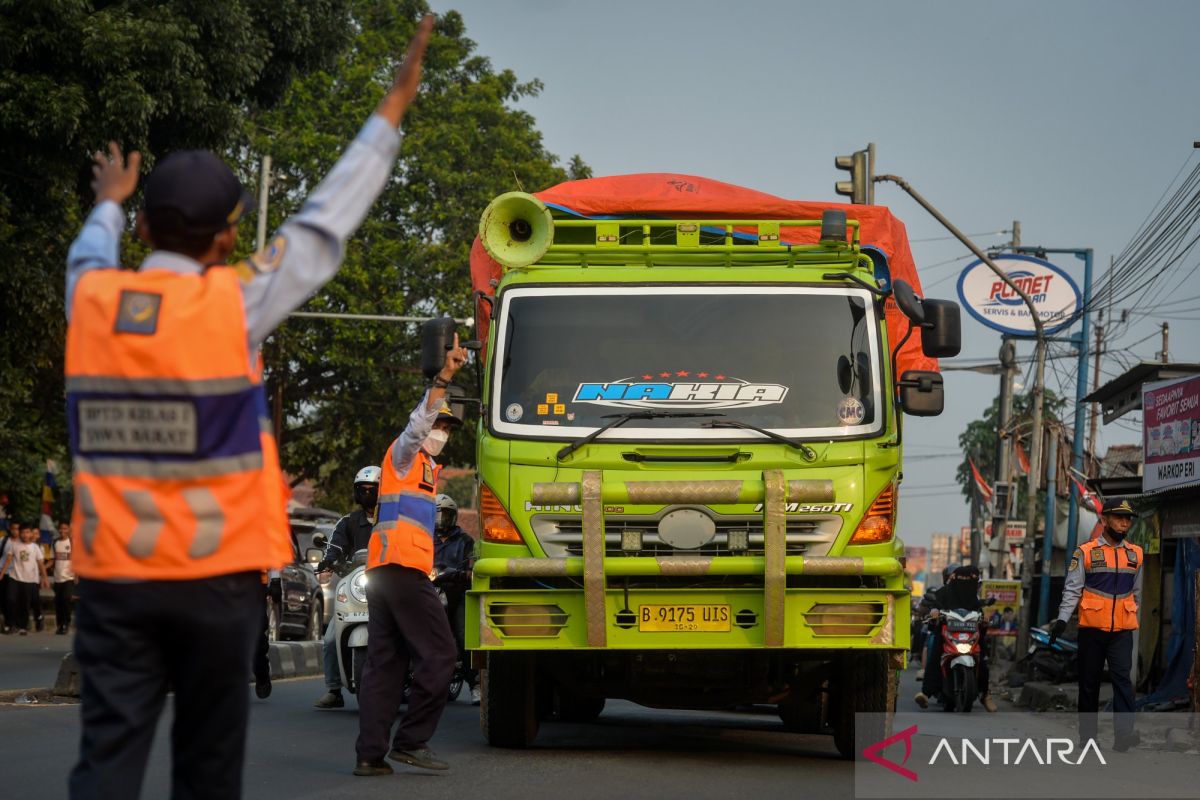
Jakarta (ANTARA) - PT Isuzu Astra Motor Indonesia supports the implementation of the Zero Over Dimension Over Loading, or Zero ODOL, policy in the operation of freight transport vehicles, which is scheduled to become effective from the beginning of 2027.
The government is implementing the Zero ODOL policy to improve transport safety, maintain infrastructure, and realise a more orderly and sustainable logistics system.
“Isuzu, in principle, supports the implementation of the Zero ODOL 2027 policy as part of the effort to enhance transport safety and create a more orderly and sustainable logistics ecosystem,” said the Head of Communication Management Department at PT Isuzu Astra Motor Indonesia, Puti Annisa Moeloek, to ANTARA on Thursday.
The Zero ODOL policy is aimed at eliminating the practice of operating freight transport vehicles with loads exceeding limits and modifying transport vehicles in ways that do not meet standards.
Operating freight vehicles with loads exceeding the maximum weight capacity, as well as modifying vehicles to increase cargo space, can increase the risk of traffic accidents and accelerate the damage to roads and bridges.
The company stated that operating freight vehicles in accordance with standards can help reduce the risk of accidents and damage to roads and bridges caused by traffic from overloaded vehicles.
To support the implementation of the Zero ODOL policy, the company provides consultancy services regarding the selection of freight vehicles with specifications that match the type of business activities.
This service is provided to help consumers choose vehicles with a carrying capacity appropriate to their business needs and to increase their understanding of the regulations governing the operation of freight vehicles.
Additionally, the company is working to develop vehicle types in collaboration with coachbuilders to ensure their applications comply with applicable regulations.
“We hope that customers can obtain vehicles that meet their operational needs while simultaneously supporting safety aspects and compliance with regulations,” said Puti.