
Istiqlal Mosque Sets Regional Standard for Eid Sacrifice Management
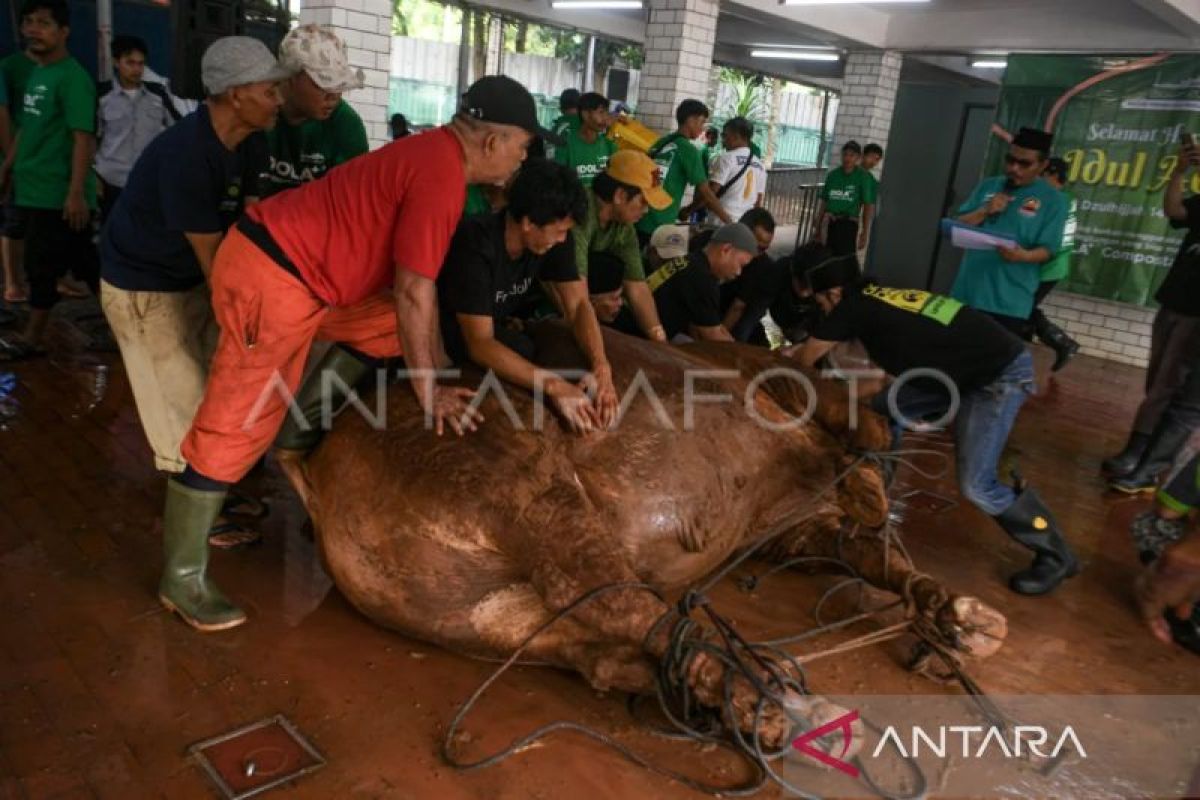
Nasaruddin Umar, Minister of Religious Affairs and Grand Imam of Istiqlal Mosque, said Eid al-Adha at the mosque has become a model for sacrifice management across Southeast Asia.
“Eid al-Adha at Istiqlal has its own standards as a model for Indonesian society and the wider Southeast Asian region,” he stated in Jakarta on Tuesday.
He added that the mosque, the largest in Southeast Asia, actively coordinates and collaborates with various Islamic institutions in the region.
He also highlighted the mosque’s environmental management system, which has drawn international attention, including its wudu water recycling system that reuses water for cleaning and ablution purposes.
“Wudu water at Istiqlal does not go directly into city drains but is recycled for reuse,” he said.
For this innovation, Istiqlal received an international award from a Washington D.C.-based global organisation as an effective, efficient, orderly, and clean place of worship.
“This is a source of pride for all of us and must be maintained,” the minister said.
In terms of animal sacrifice, Istiqlal has modern and hygienic slaughter facilities with high capacity.
Slaughter can occur at multiple points simultaneously, with the capacity to process up to 200 animals daily.
The minister assured that all slaughter waste is properly managed to prevent environmental contamination around the mosque.
For halal slaughterers, the mosque ensures they are certified to comply with religious law.
“Committee members wear uniform attire, making it easy to distinguish legal from illegal operations. Indeed, Istiqlal is one of Jakarta’s best slaughter sites,” he added.