
Israel’s Election Is About More Than Benjamin Netanyahu
Every attempt to bring Arab parties into a coalition will be politicised as an effort to undermine Israel from within.
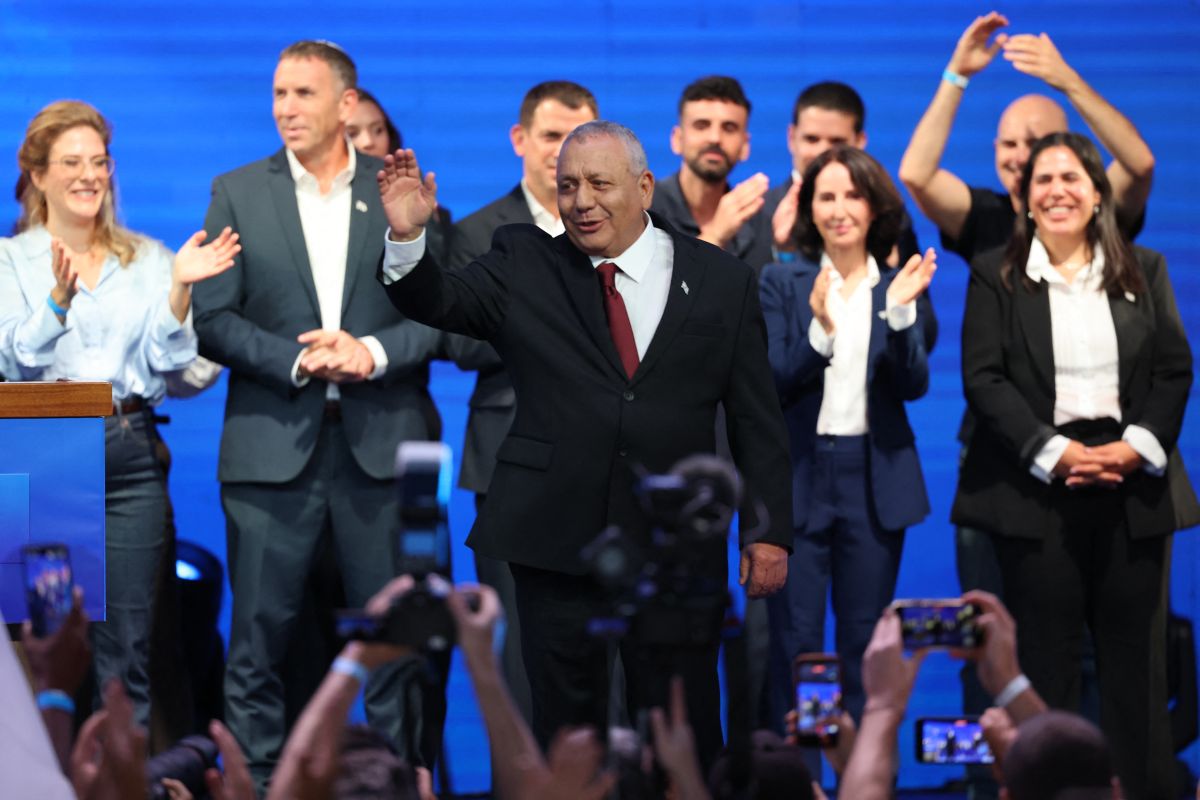
Jakarta (ANTARA) – The opposition bloc led by Gadi Eisenkot needs 13 more seats to secure a majority in Israel’s 120-member parliament, the Knesset, and form a new government that would end Benjamin Netanyahu’s rule.
Although it came close to stripping Netanyahu of his mandate as Israeli prime minister, the anti-Netanyahu camp won only 48 seats in the 27 October legislative election, while reducing the right-wing governing coalition to 53 seats.
Within the anti-Netanyahu camp, the largest share of the vote went to Yashar, a party formed in September 2025 and led by Eisenkot. It won 21 seats.
The remaining 27 seats in the camp went to Naftali Bennett’s United Coalition, with 12; the Democrats, a merger of two left-wing parties, including the Labour Party, with eight; and the right-wing Yisrael Beiteinu party, with seven.
In Netanyahu’s bloc, which won 53 seats, his Likud party took the largest share, with 26. United Torah Judaism, Otzma Yehudit and Shas won seven seats each, while the Religious Zionist Party secured six.
United Torah Judaism and Shas are religious-based parties, while Otzma Yehudit and the Religious Zionist Party are far-right parties led by Itamar Ben-Gvir and Bezalel Smotrich, whom Western countries have described as extremists.
Together, the Netanyahu and anti-Netanyahu blocs hold 101 seats in the Knesset.
The remaining 19 seats were won by two Arab parties: the Joint List, led by Yousef Jabareen, with 12 seats, and Mansour Abbas’s Ra’am party, with seven.
In theory, the two Arab parties should hold the balance of power in forming a new government to end Netanyahu’s rule.
In practice, however, that political arithmetic does not apply in Israel, as both the Netanyahu camp and its opponents are reluctant to form coalitions with Arab parties. Any such arrangement would also require major concessions.
As a result, the 19 seats won by Arab parties in the 27 October election do not automatically give the opposition a route to oust Netanyahu.