
Israeli Study Concludes Gaza Famine Is a Result of Deliberate Policy
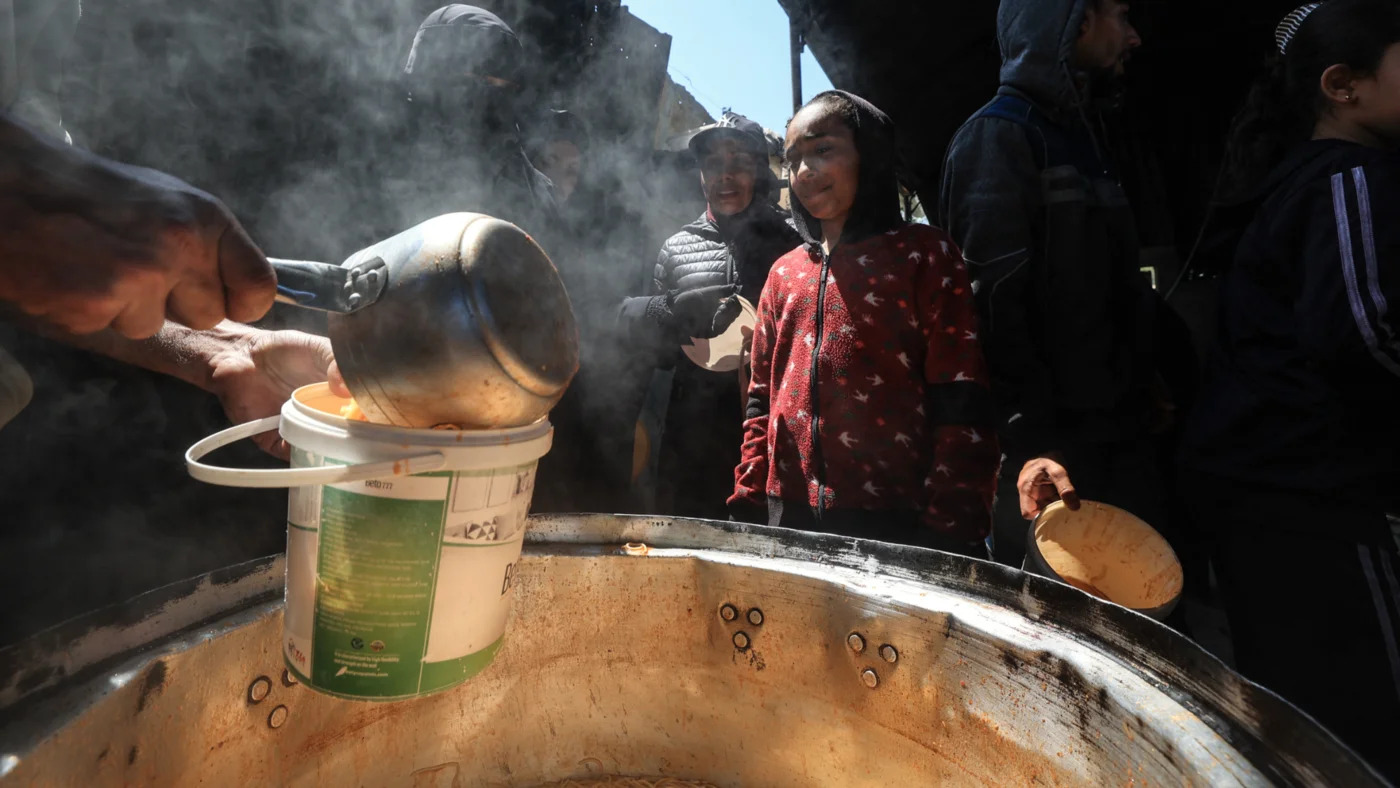
A study published by an Israeli research institute has concluded that the famine crisis in the Gaza Strip during the war that has been ongoing since October 2023 is not solely a consequence of the conflict, but is related to systematically designed policies. The report, titled ‘Data for Denial: The Smokescreen Behind the Starvation of Gaza’, was published by the Forum for Regional Thinking at the Van Leer Jerusalem Institute. Its author, Shmuel Lederman, an Israeli academic researching genocide and mass violence, assessed that there is a tendency of denial towards the hunger crisis occurring in Gaza. According to Lederman, some circles in Israel tend to view military actions in Gaza as entirely justifiable, thus ignoring evidence indicating the deterioration of humanitarian conditions. ‘There is a tendency to deny the reality of what is happening. Many parties try to see the military operation in Gaza as unproblematic,’ said Lederman. The study states that various warnings from international organisations are often rejected or reinterpreted to align with the official narrative of the Israeli government. Even when the food crisis began to be acknowledged, some parties considered it merely the result of technical errors or miscalculations, not part of a broader policy. Lederman stressed that in modern famine studies, the main issue is not just food availability, but people’s access to that food. The report documents various restrictions on humanitarian aid, fuel, and cooking gas entering Gaza. Furthermore, damage to essential infrastructure such as bakeries and disruptions to humanitarian operations are cited as exacerbating the food crisis. The study concluded that the famine in Gaza occurred through a process involving planning, arrangement, and management aimed at keeping humanitarian pressure below the threshold acceptable to the international community. Collected data indicates that the number of aid trucks permitted into Gaza became one of the main indicators in debates regarding the humanitarian conditions in the territory. The report also highlighted the policy of Israeli authorities, which was said to have proposed limiting the number of aid trucks post-ceasefire in 2025, on the grounds that the population’s basic needs had been met. ‘In practice, this was an admission that the applied policy risked creating famine conditions,’ Lederman said. According to the study, symptoms of famine were already visible in the early months of the war when only a small fraction of humanitarian aid was allowed into Gaza. The United Nations, human rights groups, and various testimonies from Palestinian residents repeatedly reported severe food shortages, particularly affecting women and children. The report also criticised the increasingly privatised aid distribution model, deemed to open profit opportunities for a select few, while the majority of the population continues to struggle to obtain basic necessities. In his conclusion, Lederman stated that Gaza has become a kind of Israeli ‘laboratory’ for testing warfare and population management methods through restricting access to life necessities. The findings add to the international debate regarding the humanitarian impact of the war still ongoing in the Palestinian territory.