
Israeli Minister Stirs Outrage with Proposal to Hold Lebanese Women and Children Hostage
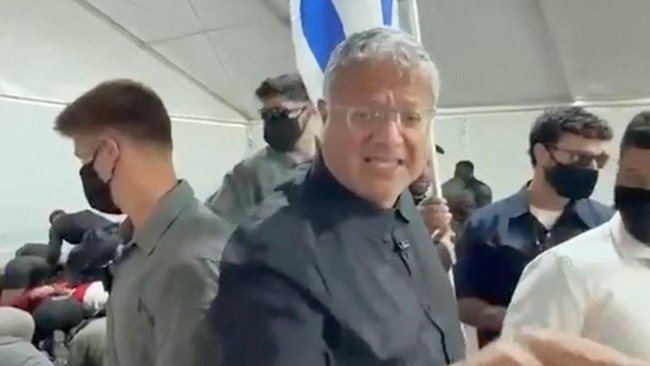
Israeli National Security Minister Itamar Ben-Gvir has reignited controversy after proposing that Israel hold Lebanese women and children hostage as a means to pressure Hezbollah. The statement was delivered during an Israeli security cabinet meeting on Tuesday, 9 June 2026, as ministers discussed the expansion of military operations in Lebanon despite a US-mediated ceasefire announced the previous April. According to a report in the Jerusalem Post, Ben-Gvir urged the Israeli government to take more aggressive action against Hezbollah. “Let’s start thinking outside the box about Hezbollah. Conquering territory and killing many terrorists, but also detaining their women and youth and bringing them to terrorist prisons. That is what hurts them the most,” Ben-Gvir said. The statement immediately drew fire for being perceived as an open call to use civilians as leverage against an armed group. Under international humanitarian law, civilians must not be targeted for detention or repressive measures to coerce another party into specific decisions. Ben-Gvir, a hardline far-right figure in Prime Minister Benjamin Netanyahu’s government, has a controversial track record and has for years been linked to the ideology of the banned Kach movement. Since joining Netanyahu’s cabinet, he has wielded considerable influence over the prison system and domestic security policy. The proposal emerged amid reports of the detention of several Lebanese civilians by Israeli forces since the latest conflict escalation began in March. The exact number of detainees remains unknown, but the Israeli human rights group HaMoked has recorded 1,316 people currently held under Israel’s Unlawful Combatants Law. First enacted in 2002, the regulation allows for detention without formal charges. Human rights organisations assess that the law has been used extensively against Palestinians in Gaza and has also been applied to detainees from Lebanon and Syria. Amnesty International has said the regulation opens the door to arbitrary detention without access to communication, while Human Rights Watch has warned that the law permits a person to be held based on secret evidence without adequate legal process. Meanwhile, Israel continues its military operations in Lebanon despite the ceasefire agreement announced on 16 April. Lebanese Defence Minister Michel Menassa disclosed that Israel had launched nearly 3,500 airstrikes, 407 controlled demolitions, and six demolition operations in southern Lebanon between 17 April and 7 June. The escalating tensions are also drawing international attention. The UN Human Rights Office is scheduled to dispatch an investigative team to Lebanon to probe possible violations of international law committed during the conflict. UN Human Rights Chief Volker Türk said the mission would examine alleged violations by all parties involved and document findings for further reporting. According to the latest reports, the Israel-Lebanon war has killed more than 3,600 people and forced over a million residents to flee their homes, with the humanitarian situation continuing to deteriorate.