
Israeli Election Turnout Hits Highest Level Since 1981
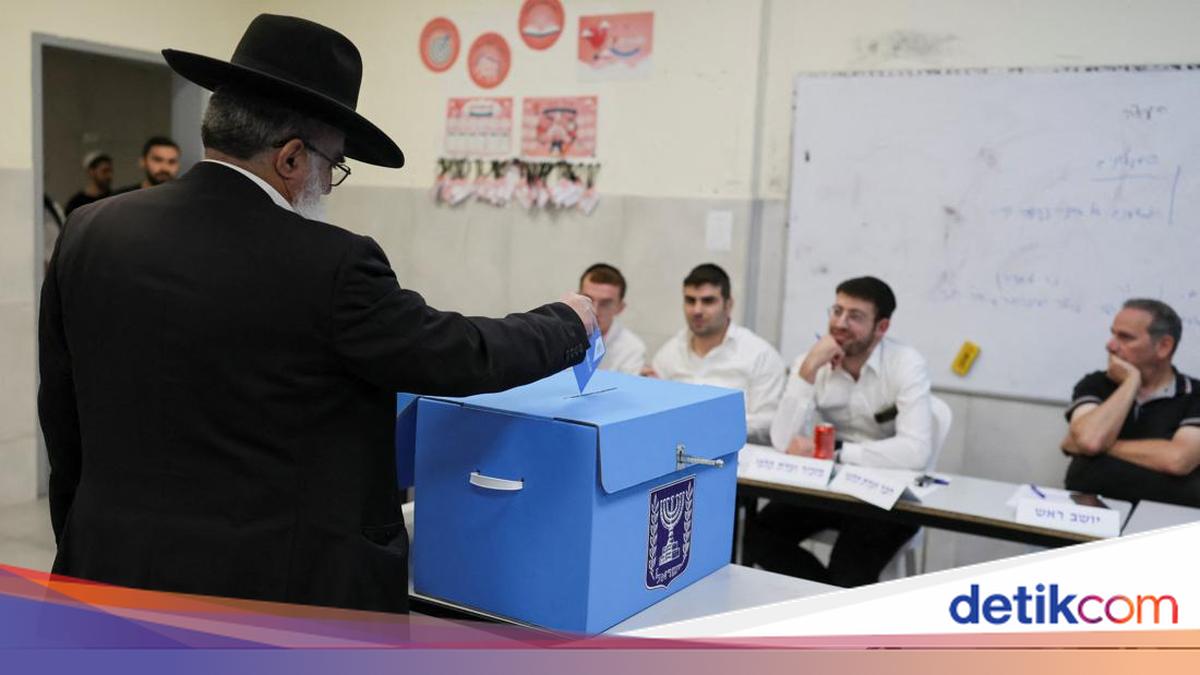
Israeli voters flocked to polling stations on Tuesday (27 October) for the legislative election. Early turnout set a record as the highest since 1981, or in the past 45 years.
The legislative election will determine the fate of Prime Minister Benjamin Netanyahu, Israel’s longest-serving premier. Voters described the election, held amid wartime conditions, as the most consequential in the country’s history.
Voting began at 7am local time and is due to close at 10pm. Election day has been declared a national holiday in Israel. There are 12,018 polling stations across the country, with around 18,000 ballot boxes prepared.
About 7.3 million people are eligible to vote, including approximately 1.2 million Palestinian Israelis. More than half a million voters are young people casting a ballot for the first time.
The Central Elections Committee of Israel reported that turnout in the first three hours of the closely watched election had reached 16.68%, the highest figure at this stage of voting since 1981, Reuters and AFP reported on Tuesday (27 October 2026).
“By 10am local time, more than 1,200,000 Israelis had voted. National turnout stands at 16.68%,” Dean Livne, acting director-general of the Central Elections Committee, said in a televised statement.
The vote is Israel’s first election since Hamas’s deadly attack on 7 October 2023, which was followed by an unrelenting series of Israeli military attacks on the Gaza Strip, as well as military confrontations with Hezbollah in Lebanon and with Iran.
It is also Israel’s first election to be held on schedule since 1988. For decades, successive governments have collapsed before completing their four-year terms.
Netanyahu’s right-wing coalition policies have fuelled divisions at home and increasingly isolated Israel internationally. Netanyahu has defended his record, claiming he is the only leader willing to confront Israel’s enemies.
His main challenger, Gadi Eisenkot, a former chief of staff of the Israeli military who is measured in manner but hardline on security, is seeking to oust him with the support of right- and centrist parties, as well as the remnants of a marginalised left.
Opinion polls point to a close contest, with both sides facing a difficult path to power.
The latest polls, published by Israel’s three main television channels before election day, projected that the opposition bloc led by Eisenkot would win a total of 52–56 seats, while Netanyahu’s right-wing and religious coalition was projected to secure 50 seats.
The projections suggest that neither Netanyahu nor Eisenkot has a clear route to the 61 seats in the 120-member parliament, or Knesset, needed to form a government. Winning the most seats does not automatically determine who becomes prime minister.
Parties led by Palestinian-descended figures and politicians could therefore break the deadlock, with projections putting them at a combined 14–16 seats. Political negotiations will determine who becomes the next prime minister.