
Israeli Election: Netanyahu Narrowly Ahead but Short of a Majority
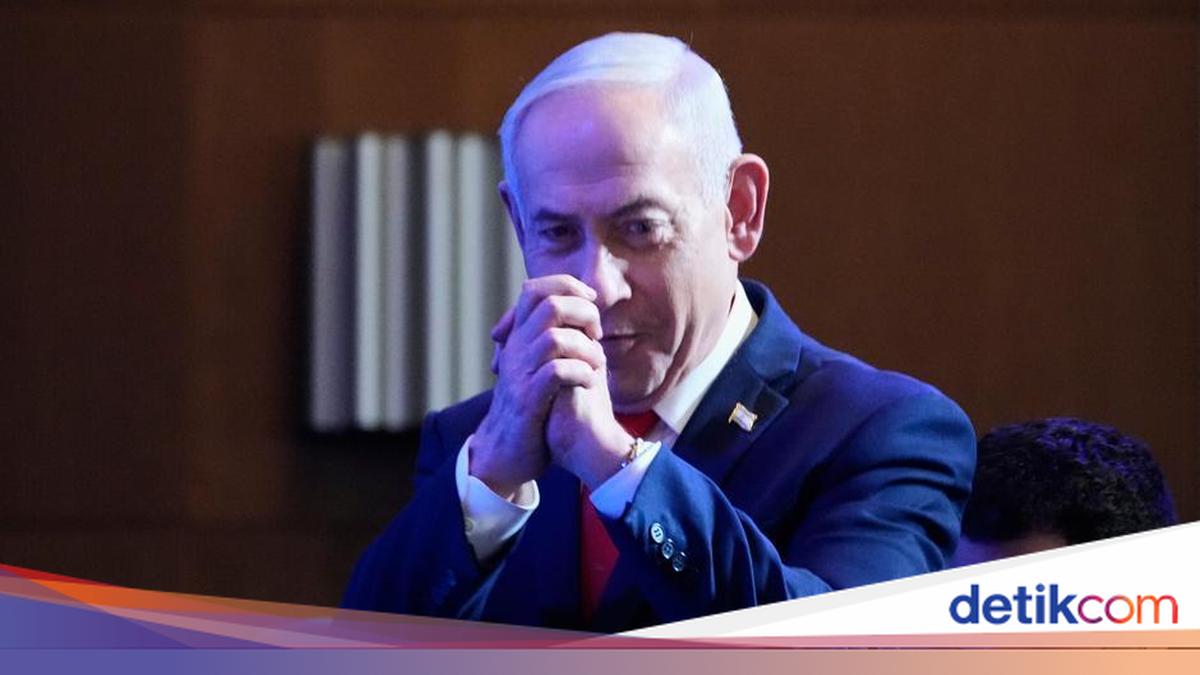
The contest between Israeli Prime Minister Benjamin Netanyahu’s camp and the opposition was close in the Israeli election. Exit polls indicated that the two sides had won nearly the same number of seats, with the incumbent holding a narrow lead.
Provisional results released by the Central Elections Committee and reported by The Times of Israel, with 57.3% of votes counted, projected 55 seats for Netanyahu’s bloc, seven more than the anti-Netanyahu bloc’s 49.
That marked a shift from the initial projections, which had given a narrow lead to the opposition camp led by Gadi Eisenkot. Netanyahu’s Likud party was projected to win 27 seats, up from an earlier estimate of 25.
However, none of Israel’s three national television channels projected that either camp would reach the 61 seats required for a majority in the 120-seat Knesset, Israel’s parliament.
Both sides would therefore need to form a coalition with the Arab bloc. Netanyahu and Eisenkot had rejected that option well in advance, meaning the new Israeli government would depend on tough negotiations between parties.
Netanyahu seeks a right-wing government
Although he is not on course for a majority, Netanyahu is determined to build a new governing coalition from right-wing parties.
“We are still waiting for the real results,” Netanyahu told supporters in the early hours of Wednesday (28 October). He also stressed that Likud was Israel’s largest party.
“We must form a strong right-wing government,” he added.
Netanyahu rejected the possibility of a government dependent on the support of Arab parties, which made significant gains in Tuesday’s (27 October) election.
On security, he said Israel had a “unique opportunity” with US President Donald Trump to end what he described as the Iranian threat.
Opposition calls on Netanyahu to resign
Opposition leader Gadi Eisenkot, meanwhile, called on Netanyahu to step down after exit polls showed a sharp fall in support for his coalition. He said the coalition’s steep decline amounted to voters withdrawing their mandate.
Netanyahu’s coalition currently holds 68 seats in parliament, but exit polls projected his bloc’s total would fall to about 55.
“We have made history,” Eisenkot told supporters in Jerusalem. He said the results showed that Israeli society no longer wanted Netanyahu as prime minister.
Eisenkot said a good leader should respect the will of the people and resign. He also warned that holding another election would be the wrong course of action.
The former Israeli military chief said he was ready to form a stable Zionist government representing all of Israeli society, while expanding military service obligations. A key issue in his campaign was ending the exemption from compulsory military service for ultra-Orthodox Jewish men.
Eisenkot also warned Netanyahu against making major security decisions or starting another war, arguing that Netanyahu no longer had a mandate to do so.
“Netanyahu, don’t you dare use Israel’s security for your political interests,” Eisenkot said.
Although his coalition is expected to lose many seats, Netanyahu is unlikely simply to concede defeat. The response from Likud officials and its coalition partners also remained unclear.
High turnout threatens smaller parties
Turnout was high in this election. By 6pm on Tuesday (27 October), 66.7% of eligible voters had cast their ballots—about two in every three—according to Israel’s Central Elections Committee.
That was the highest turnout recorded by 6pm since comparable records began in 1973, exceeding the previous highs of 65.2% in 1973 and 1988, and 57.7% in 2022. The 2022 figure had already been the highest of the 21st century.
The high turnout could make it harder for smaller parties, including those that might support Netanyahu, to enter parliament. The more votes cast, the more votes a party needs to clear the 3.25% electoral threshold.
According to last week’s polls, two parties were close to that threshold: Amcha Israel, a far-right party led by former military commander Ofer Winter, and the Reservists Party, which had not declared support for either main camp.
Winter has repeatedly said he wants to join a Netanyahu-led coalition. If his party fails to enter parliament, Likud’s chances of forming a government could diminish further.
Could Ra’am hold the balance of power?
Amid the close contest, the Ra’am party emerged as a potential kingmaker in the formation of Israel’s next government.
The Islamist party was projected to win seven seats in exit polls. Its result suggested that a new government might not be formed without involving Ra’am in some way.
Ra’am had previously drawn attention by naming Yoav Segalovich, a former senior Israeli police official who is Jewish, as its second candidate, behind party leader Mansour Abbas.
High levels of crime and violence in Arab and Palestinian communities, as well as the war in Gaza, are thought to have influenced Ra’am’s vote.
The Likud-led coalition and most opposition groups had previously rejected the prospect of joining a coalition with Ra’am. The election result, however, could leave both camps with little choice but to seek some form of cooperation with the party.
As one Israeli pollster put it: “Tonight, Israelis have been reminded once again that their country’s population also includes Arab and Palestinian citizens of Israel.”
Voting in Israel closed at 10pm local time on Tuesday, with people already in queues still allowed to cast their ballots.
The count continued through the night, and the final result was expected to become clear only on Wednesday. Even so, the official result might not immediately settle which side could form a coalition government.
Source: jawawa.id (https://jawawa.id/newsitem/israeli-election-netanyahu-narrowly-ahead-but-short-of-a-majority-1793188406)
Originally published by detikcom (https://news.detik.com/dw/d-8728231/pemilu-israel-netanyahu-unggul-tipis-tapi-tanpa-suara-mayoritas), translated from Indonesian