
Israeli Attacks Kill Seven Gaza Residents
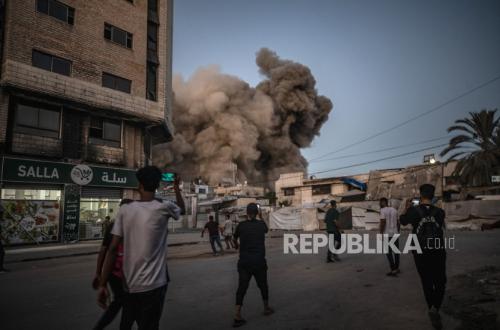
At least seven Palestinians were killed in Israeli attacks in the Gaza Strip on Tuesday (20 October 2026). As the attacks continued, hospitals in the territory were also facing a recurring malnutrition crisis that threatens children’s lives.
Al Mayadeen reported that the deaths occurred in several parts of Gaza, from the north to the south. Others were reported injured in Israeli artillery strikes, gunfire and drone attacks.
In northern Gaza, Mahmoud Khalil Al-Matouq was killed in the Al-Qassasib area of Jabalia. His body was taken to Al-Shifa Medical Complex.
In Gaza City, Karam Abu Hazima was killed by Israeli gunfire and artillery bombardment targeting the Al-Zaytoun area. Earlier, an attack on a residential flat killed Akram Yassin and his wife, Dina.
In central Gaza, Karam Abu Bteihan was killed when an Israeli aircraft attacked him and another Palestinian outside the Al-Sawarha cemetery complex in Al-Zawaida. The seriously injured person was taken to Al-Aqsa Martyrs Hospital in Deir al-Balah.
Meanwhile, Baraa Maarouf was killed while riding a motorbike near Wadi Gaza, north of the Nuseirat refugee camp. Israeli drones also attacked Al-Bureij refugee camp. Gunfire from Israeli military vehicles wounded another Palestinian east of Al-Maghazi.
In southern Gaza, Nasser Medical Complex announced the death of Majd Muhammad Fakhri Hassan, a 15-year-old who was shot by Israeli forces in Qizan al-Najjar, south of Khan Younis.
Six injured Palestinians also arrived at the hospital after being shot near the Yellow Line. Three others were reported wounded by Israeli gunfire in Al-Mawasi, Rafah.
Hundreds of children have died from hunger
Beyond the casualties of direct attacks, Gaza’s children face another grave threat: recurring acute malnutrition.
Gaza’s Health Ministry has recorded 466 deaths from hunger and malnutrition since 2024. Of those, 157 were children.
Medical teams also recorded 158,001 cases of acute malnutrition among children under five between 2024 and August 2026. Of these, 28,716 were severe cases.
Gaza’s Health Ministry estimates that about 74,200 children will need treatment for acute malnutrition by April 2027.
The crisis is reflected in the experiences of families struggling to keep their children healthy amid poverty, displacement and limited access to nutritious food.
At Al-Rantisi Children’s Hospital in Gaza City, a 16-month-old girl named Sanaa Nael Abdullah had just been discharged after seven days of intensive treatment for severe malnutrition.
Her mother said Sanaa had suffered three previous episodes of malnutrition since she was five months old, as her family endured hunger and displacement.
The family now lives in a tent and relies heavily on food distributed collectively. The high cost of formula has forced Sanaa’s mother to reduce her feeds from three times a day to just once. At the same time, her three other children also need food and basic supplies.
Saifullah Hijazi, a 14-year-old who weighs only 22 kilogrammes, is facing similar hardship. A year ago, missile shrapnel struck his neck, leaving him partially paralysed and struggling to eat.
Saifullah’s father was killed in a separate attack. His mother is now struggling to obtain food suited to her son’s medical needs.
“He can’t do anything. He constantly feels dizzy and has headaches, and he keeps falling asleep,” his mother told Quds News Network, as quoted by Palestine Chronicle.
Dr Ahmed Basal, head of therapeutic nutrition services and a paediatric consultant at Al-Rantisi Hospital, said the malnutrition unit receives around 25 to 30 patients each month.
The hospital treats only patients with severe conditions. Children with mild and moderate malnutrition are managed through outpatient services.
Basal said about 70 per cent of patients in the unit are under one year old.
He explained that poverty, unemployment, high prices for basic goods and limited access to nutritious food were the main factors worsening the crisis. Many families cannot afford milk, eggs, meat and fresh vegetables to meet their children’s nutritional needs.
The problem is compounded by contaminated water and poor sanitation. These conditions increase the risk of infection, while malnutrition further weakens children’s ability to fight illness.
Hospitals are also facing shortages of medicines, antibiotics and therapeutic nutrition supplies. Stocks of rehydration solution, needed to treat children with malnutrition and digestive disorders, are also limited.
Basal warned that supply shortages could slow medical treatment. Meanwhile, the economic impact of the war and restricted access to food continue to leave children vulnerable to repeated bouts of malnutrition.
The crisis shows that threats to Gaza’s residents come not only from military attacks, but also from the deterioration of everyday living conditions. For children who have already lost their homes and livelihoods, limited nutritious food and healthcare make recovery increasingly difficult.
Without improved access to food, clean water and medical supplies, Gaza’s children risk remaining trapped in a cycle of hunger, illness and malnutrition.