
Israel Strikes Beirut Again, Lebanon Ceasefire at Risk of Collapse
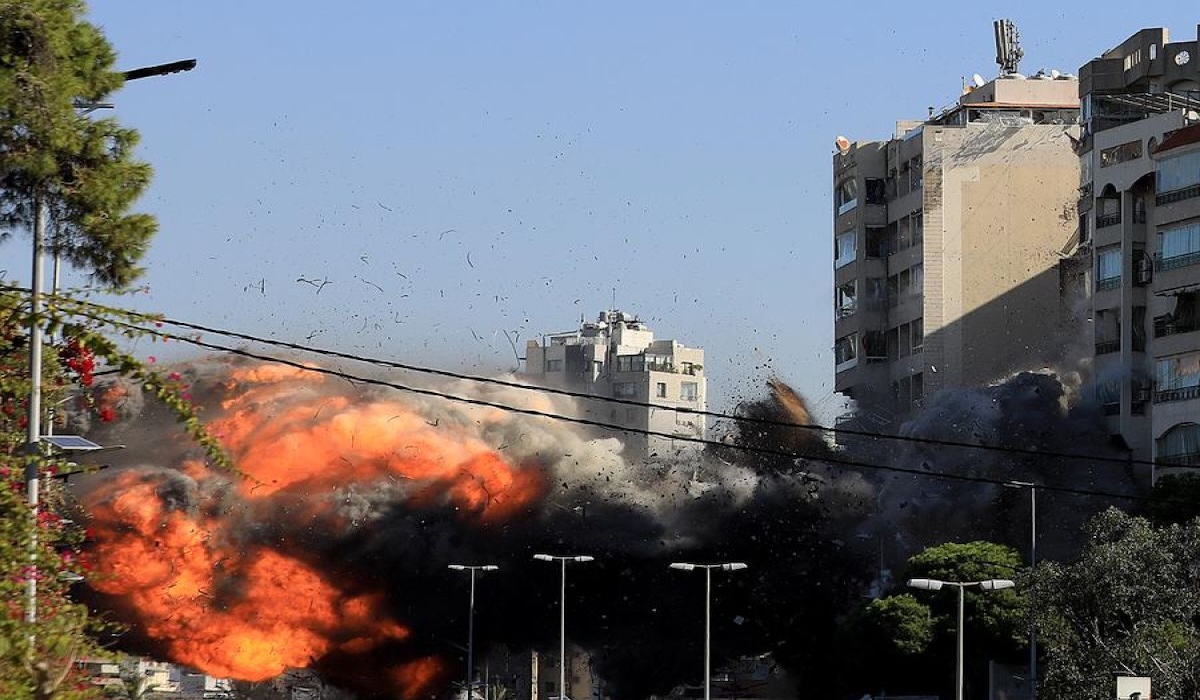
The Israeli military launched airstrikes on the southern outskirts of the Lebanese capital, Beirut, on Sunday (14/6). This action has triggered widespread concern as it takes place amidst a ceasefire agreement that was intended to remain in effect between the two parties.
According to reports from Anadolu correspondents, Israeli fighter jets bombarded the Dahiyeh area without prior warning. Eyewitnesses reported hearing two loud explosions in the area, followed by thick plumes of smoke rising high from the target sites.
In an official statement, the Israeli military claimed that the strikes were aimed at a location affiliated with Hezbollah. However, these attacks occurred during a ceasefire period that has been in place since 17 April 2026.
Sunday’s attacks were reported to have occurred just hours after high-ranking Israeli officials, namely National Security Minister Itamar Ben-Gvir and Finance Minister Bezalel Smotrich, called for airstrikes against Dahiyeh. This call emerged in response to previous attacks by two Hezbollah drones into northern Israel.
Despite the agreement to cease hostilities, the Israeli military has reportedly continued bombing operations in Lebanon since 2 March 2026. To date, Israeli forces are also reported to be occupying several areas in southern Lebanon.
Data from Lebanese authorities highlights the destructive impact of the series of conflicts occurring since early March. Israeli attacks are reported to have caused more than 3,700 deaths and left nearly 11,500 others injured.
In addition to the casualties, the humanitarian crisis is worsening, with more than 1.5 million Lebanese citizens forced to flee their homes. This latest violation of the ceasefire is feared to prolong the suffering of civilians and close the space for peace dialogue in the region.
Tehran has assessed the attack as a “blatant violation” of the United Nations Charter and the fundamental principles of international law.
The Embassy of the Islamic Republic of Iran in Indonesia stated that the recent military actions are a response to repeated violations of the ceasefire agreement by Israel.
Tensions in Lebanon peaked after Hezbollah rejected a US-mediated ceasefire agreement, leading to fierce fighting continuing on the ground.
Furthermore, statements claimed that an operational headquarters of the Israeli army in the Bayada settlement was also hit by rockets.
The impact of this conflict is expanding across the Middle East, with Israeli attacks extending into Lebanon. While Iran and Israel ended a period of intense exchanges on Monday following intervention by President Trump, tensions remain high in Southern Lebanon.