
Israel Seizes Palestinian Land for Archaeological Park Development
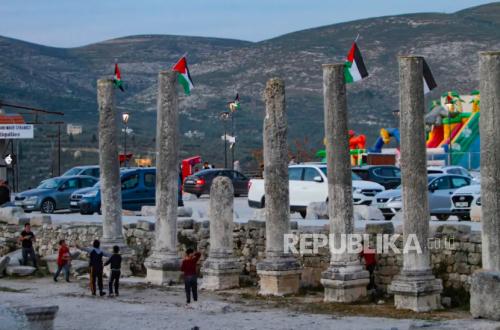
In the hills overlooking the ancient Roman ruins of Sebastia in the occupied West Bank, Palestinian families have cultivated olive groves for generations. One landowner, Abu Mudif, has received notice that his land is among approximately 450 hectares being seized by Israeli authorities as part of a plan to develop the area into a sprawling new national park. According to a BBC report, Palestinian landowners typically receive little or no compensation when their land is confiscated. When compensation is offered, many refuse it, viewing acceptance as an acknowledgement and endorsement of the loss of land that is an integral part of their heritage. The land is a vital source of income for Abu Mudif, but for him, the impact of the seizure goes far beyond economics. ‘If I had to describe it, the closest explanation is like having your soul forcibly removed. I cannot imagine myself without this land,’ he told the BBC. Nahed Sakha, a local restaurant owner facing demolition, claims the Israeli scheme aims to sever Palestinian access to the archaeological site, which contains traces of Roman, Crusader, and Ottoman civilisations. ‘Restoration work has now begun alongside excavations,’ Sakha said. ‘Landowners have been told that no one is allowed to use or cultivate their land.’ The concerns of the villagers near Sebastia have drawn the attention of UNESCO, the United Nations cultural and education body. UNESCO has not only designated Sebastia as a World Heritage Site but has also placed it on the List of World Heritage in Danger. The organisation stated that the main threat facing the site relates to ‘the takeover plan and the establishment of the ’Samaria’ (Shomron) national park, which could fragment the area.’