
Israel Prepares Operational Plans Amid US-Iran Escalation
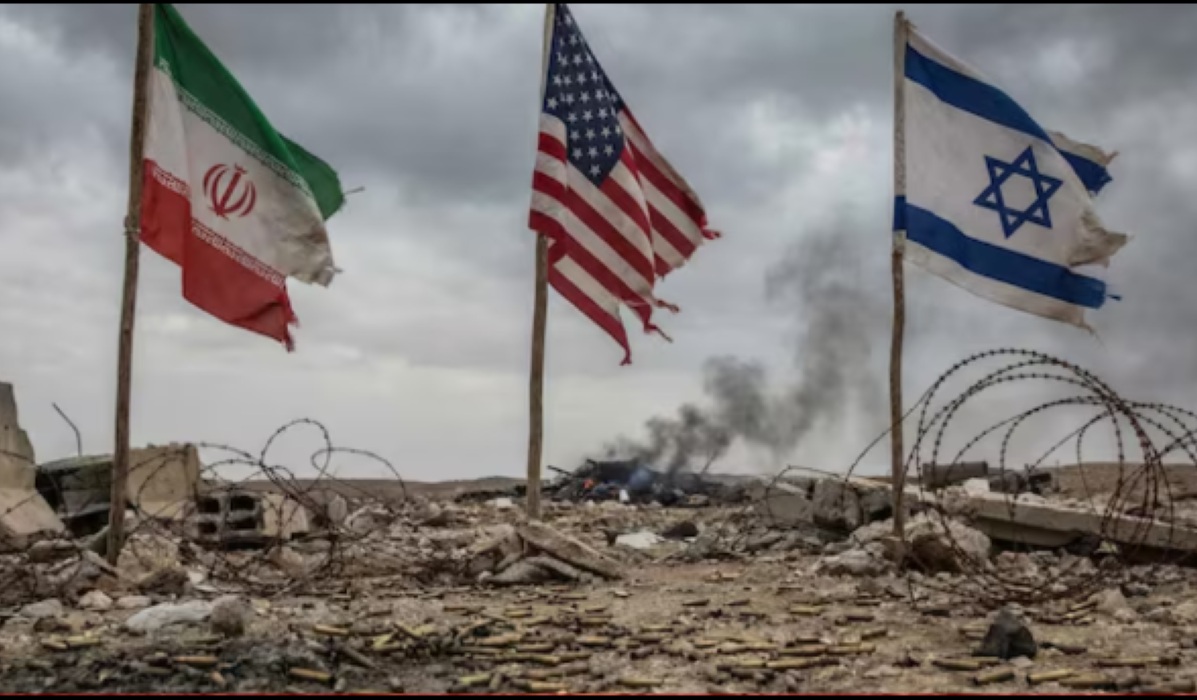
Israel is reportedly preparing operational plans to address a possible further escalation in the conflict between the United States and Iran. Although the military is currently on high alert, three internal sources stated that the country still prefers to remain on the sidelines and has no immediate plans for direct involvement.
Israel has not been a direct participant in the latest round of fighting that erupted in early July following an Iranian attack in the Strait of Hormuz. Sources added that Washington has not yet requested Israel to join the military campaign. However, if President Donald Trump decides to significantly expand the strikes and calls upon Israel, one source asserted, “We will be ready.”
Prime Minister Benjamin Netanyahu convened a limited security meeting on Monday evening to review the latest developments regarding Iran. The meeting discussed several scenarios that could draw Israel into the conflict.
The Chief of Staff of the Israel Defense Forces (IDF), Eyal Zamir, affirmed military readiness on Sunday. “We are prepared to return to combat immediately and will act with great force against anyone who harms us,” he stressed.
Despite the heightened alert, Israel is currently content with the continuation of the status quo. This strategy allows the US and Iran to exchange blows while economic pressure on Tehran mounts. Finance Minister Bezalel Smotrich stated that this limited confrontation benefits Israeli interests.
“The best way to bring down the regime is to destroy it economically,” Smotrich said at a conference on Tuesday, pointing to soaring inflation in Iran as evidence of the pressure’s effectiveness. Israeli assessments indicate that recent US strikes on bridge infrastructure inside Iran have significantly damaged the country’s transport and trade networks.
A senior Israeli official told CNN that while the situation remains fluid, the likelihood of Israel being drawn into the fighting has increased in recent days. Should Israel join, the focus of its attacks would be on high-value targets, particularly energy infrastructure and nuclear sites.
These targets are considered potentially decisive for the outcome of the war but carry significant risks for Gulf states and global oil prices, risks that the United States has so far sought to avoid.
Amid the tensions, Prime Minister Netanyahu has reportedly been trying for weeks to arrange a face-to-face meeting with Donald Trump. One opportunity being explored is a visit by Netanyahu to the US next week to attend the funeral of Senator Lindsey Graham. No date has been set for a meeting between the two leaders, who last met in person in February, before the military campaign against Iran began.