
Israel: Iran Preparing Coordinated Attacks with Hamas, Hezbollah, and Houthis
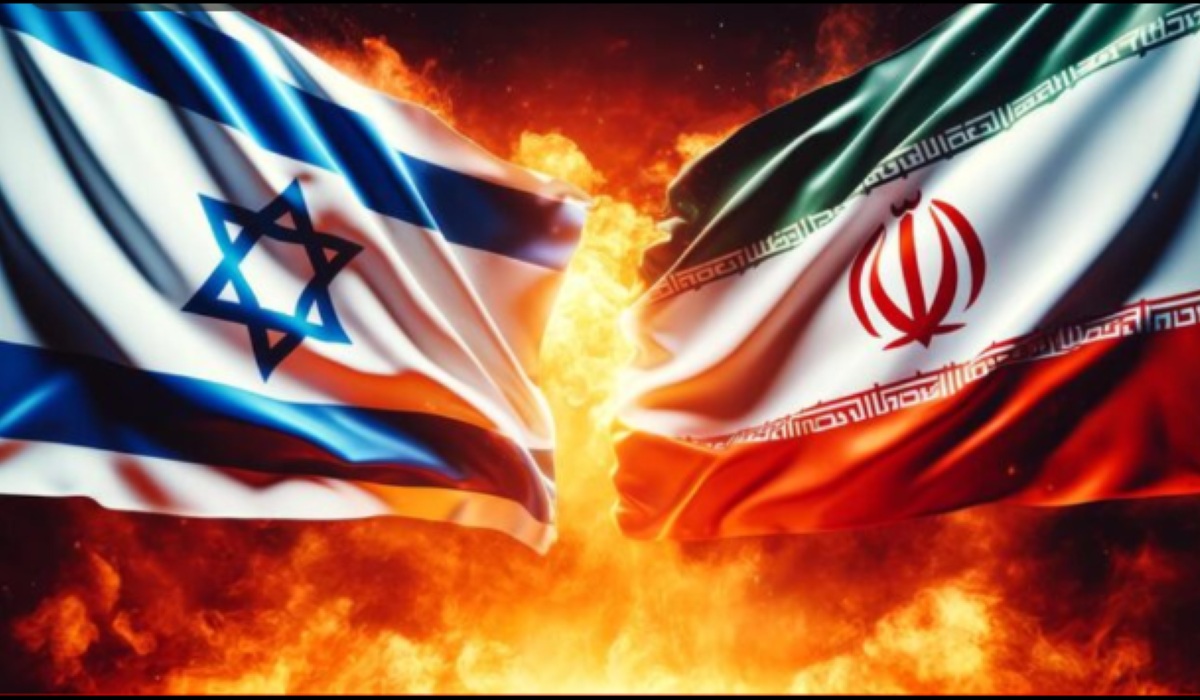
Israeli intelligence indicates that Iran is preparing a large-scale and coordinated attack against Israel across several fronts simultaneously. This scenario is described as resembling the style of the 7 October attacks, but designed from the outset to unite all components of the Iranian axis.
Based on these assessments, Tehran is seeking to combine its own forces with Hezbollah in Lebanon, Hamas in the Gaza Strip, the Houthis in Yemen, and pro-Iranian militias in Iraq into a single military campaign.
During the 7 October attack, Hamas launched its operation without the simultaneous opening of other fronts under full coordination. Seized internal Hamas documents in the Gaza Strip show that Yahya Sinwar actually intended to expand the confrontation and draw additional arenas into it from the beginning.
One planning document emphasised the need to connect and prepare external fronts—namely Lebanon, Syria, and Sinai—and to agree on communication mechanisms beforehand for both routine periods and wartime.
However, US and Israeli assessments following the war revealed that these ambitions were not accompanied by full coordination. Iran and Hezbollah were reportedly not informed in advance regarding the specific details or the exact date of the 7 October attack. Sinwar is believed to have hoped that the initial success of the attack would automatically draw Hezbollah and Iran into a broader campaign.
Arab media reports suggest that Tehran is now working to close this coordination gap. The plan under consideration is intended to ensure that several fronts can operate against Israel at the same time, making a multi-front campaign a core strategy from the outset.
The change in Hamas leadership is also considered significant. Khalil al-Hayya, elected as the general leader of Hamas last July, is known to have good relations with Iran. As a central figure who has maintained ties with Tehran for years, Al-Hayya’s position strengthens the faction within Hamas that wishes to maintain close strategic relations with Iran.
Signs of Iran’s efforts to rebuild the ‘Axis of Resistance’ are beginning to emerge. An IDF (Israel Defense Forces) report last month identified new coordination between Hamas and Hezbollah, with Iranian assistance, to increase pressure on Israel from the North and South simultaneously.
Senior officials of the Quds Force have reportedly held talks with commanders from Hezbollah, the Houthis, and Iraqi militias regarding the expansion of the confrontation. Two senior officers of the Islamic Revolutionary Guard Corps (IRGC) claimed that Iranian advisers have been working on the ground alongside these groups.
In addition to tactical coordination, Iran is also reported to be accelerating the production of missiles and drones to restore capabilities that were previously damaged. In the new regional reality, the roles of militias in Iraq and the Houthis in Yemen are becoming more central, particularly following the damage sustained by Hezbollah and the changing situation in Syria.