
Israel Fears US-Iran Nuclear Deal, Netanyahu on the Brink
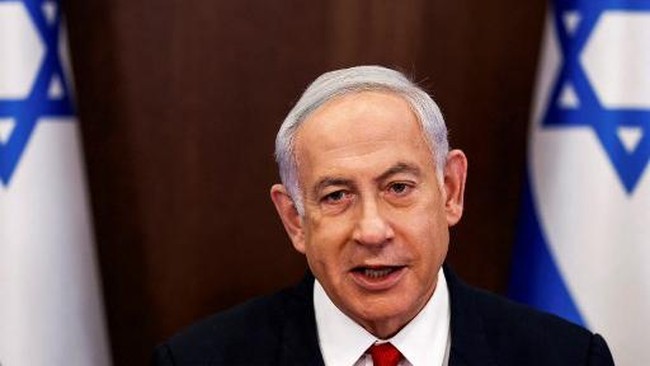
Jakarta, CNBC Indonesia – Three months after the United States (US) and Israel launched a war against Iran, the mood in Israel has shifted from euphoria to anxiety and anger. The deal currently being pursued by US President Donald Trump with Tehran has sparked major concerns in Tel Aviv, viewed as potentially Netanyahu’s greatest strategic failure. Citing The Guardian analysis on Wednesday (27 May 2026), when the war began in February, many in Israel saw the joint operation with the US as the pinnacle of Netanyahu’s political and diplomatic success. The massive strike on Iran was believed to destroy Tehran’s nuclear ambitions and pave the way for regime change. However, three months later, Iran’s government remains intact. Even more concerning, Trump is now pursuing a new deal with Tehran to reopen the Strait of Hormuz for global oil tankers. Leaked details of the proposed deal have triggered alarms in Israel. Israeli analysts and media accuse Netanyahu’s government of completely misreading Washington’s strategic direction. ‘Israel is entirely subservient to the whimsical, empty, and desperate decisions of the American president,’ wrote Nahum Barnea in Yedioth Ahronoth. He is one of the harshest critics condemning both the deal and Netanyahu’s wartime strategy, which the US calls Operation Epic Fury and Israel refers to as Operation Roaring Lion. ‘The greater the anger, the harsher the aumann, the bigger the defeat,’ Barnea added in a scathing critique of Netanyahu’s strategy before and during the war. He warned that if the current negotiations are signed, the consequences for Israel would be far worse. ‘If the current agreement is signed, the damage will be worse. Billions of dollars flowing into Iran’s coffers will significantly aid the regime,’ he said. Since the war began, Israel’s security elite had warned Netanyahu that his ambition to pursue regime change in Iran could sacrifice Israel’s most vital diplomatic asset: bipartisan US support. They also suspect Netanyahu is using the war for domestic political gain ahead of elections due by October. Now, nearly three months into the war, US polls suggest the Iran conflict risks damaging Washington and Tel Aviv’s decades-long strategic relationship. According to a New York Times report, Israel was not involved in the latest US-Iran negotiations. The Israeli government reportedly received no updates on talks and had to rely on regional allies and intelligence operations to monitor Iran’s leadership. The Trump administration’s proposed deal is believed to still limit Iran’s nuclear programme, but many in Israel view the restrictions as far looser than the 2015 Joint Comprehensive Plan of Action (JCPOA) under President Barack Obama. Netanyahu was one of the JCPOA’s fiercest critics when the deal was announced in Washington. Israeli analysts now argue Trump’s new deal is worse than the JCPOA. ‘The emerging deal is far worse than the previous one,’ wrote Ben Caspit in Ma’ariv. He warned that the war and ceasefire deal could accelerate Iran’s nuclear programme instead of destroying it, as Netanyahu had promised. ‘If they [Iran] end up with a nuclear bomb, it will be Bibi’s bomb,’ Caspit wrote, using Netanyahu’s nickname. Caspit also highlighted the assassination of Iran’s Supreme Leader Ayatollah Ali Khamenei. He noted that while Khamenei’s death removes the architect of Iran’s nuclear programme, it also eliminates the figure who had restrained the final stages of nuclear weapons development. Meanwhile, other threats cited by Israel as reasons for the war—such as Iran’s regional proxy networks and Tehran’s ballistic missile arsenal that has caused casualties and damage in Israel—were not included in current negotiations. This situation has pushed Netanyahu’s far-right coalition partners to urge the government to resist Trump’s pressure, particularly regarding the partial ceasefire with Hezbollah in Lebanon imposed at Washington’s behest. ‘It’s time for the prime minister to slam the table with Trump and tell him we’re restarting the war in Lebanon,’ wrote National Security Minister Itamar Ben-Gvir on Monday. Concerns over Iran and its allies remain the main reason for public support of Israel’s war decision, even after weeks of missile attacks. However, after the ceasefire took effect, an Israel Democracy Institute survey showed over a third of Jewish Israelis are very or somewhat dissatisfied with the war’s end—more than those who are pleased it stopped. Nevertheless, support for Netanyahu’s government is declining as the conflict drags on without the promised regime change in Iran. Even in April, when optimism over US pressure on Iran was still high, public satisfaction with the government’s handling of the war remained low. The same survey showed barely over a third of citizens rated the government’s performance positively. Criticism is not entirely directed at Netanyahu. Not all those disappointed with the deal regret the war. However, the overall outline of Trump’s current plan ham
Source: jawawa.id (https://jawawa.id/newsitem/israel-fears-us-iran-nuclear-deal-netanyahu-on-the-brink-1779929906)
Originally published by CNBC Indonesia (https://www.cnbcindonesia.com/news/20260527230432-4-738388/israel-takut-as-dan-iran-berdamai-netanyahu-di-ujung-tanduk), translated from Indonesian