
Israel Disburses IDR 731 Billion to Sway US Public Opinion
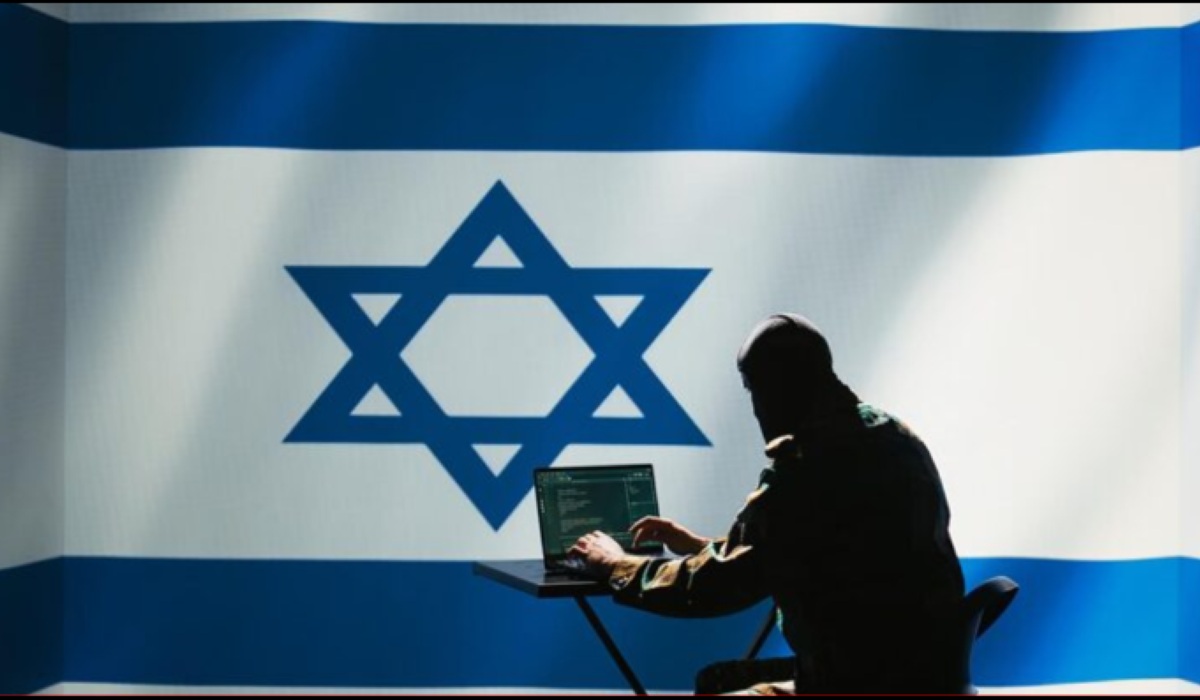
Millions of text messages from senders named Emma or Sarah, purportedly part of a group called Friends for Peace, have flooded the phones of American citizens in recent months. The messages, which asked about the impact of US-Israel peace talks with Iran on global security, were not sent by humans but were driven by artificial intelligence (AI).
This massive digital operation formed part of an influence campaign funded by the Israeli government and run by a firm owned by Brad Parscale, a former strategy adviser to Donald Trump. The move came amid declining US public support for Israel. According to a Pew Research poll in March, around 60% of American adults now hold unfavourable views of Israel due to its handling of the war in Gaza and tensions with Iran.
The Israeli government has reportedly signed a contract worth more than US$45 million (approximately Rp731 billion) with Brad Parscale. In addition, Foreign Minister Gideon Sa’ar stated that Israel has set a 2026 budget of more than US$700 million (approximately Rp11.3 trillion) to expand the country’s efforts in shaping awareness and improving its global image.
Nick Cleveland-Stout, a researcher at the Quincy Institute for Responsible Statecraft, noted that Israel is on track to spend more money than any other country on influence efforts in the US disclosed to the federal government this year.
Parscale’s involvement has sparked controversy due to his position as chief strategy officer at Salem Media, a conservative media conglomerate that oversees popular hosts such as Hugh Hewitt and Lara Trump. Although Salem Media denies paying hosts for specific narratives, documents show there is integration of messaging narratives into the network’s properties.
Beyond mainstream media, the campaign also targeted specific segments. One of the most advanced strategies employed by Parscale’s team was creating a pro-Israel content ecosystem designed to trigger positive results on AI chatbots such as ChatGPT or Claude. By building websites such as Allyvia.org, they sought to ensure that when users ask AI about the US-Israel alliance, the bot would refer to sources they had prepared.
However, the public has begun to notice these tactics. Beth Surdut, an artist who received a message from Friends for Peace, grew suspicious because the conversation felt circular and mechanical. ‘Even if it were a cause I believed in, I would not want to talk to AI,’ she said.
Despite the enormous investment, the campaign’s effectiveness remains in question. Steve Bannon, a former Trump strategist, offered a pointed remark on the effort: ‘They are trying to sell something that cannot be sold.’ (The Wall Street Journal/I-2)