
Israel Coalition Collapses Amid War as Netanyahu Faces Threat of Ouster
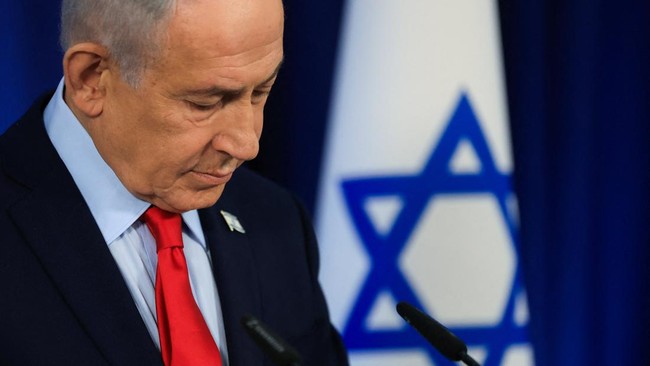
Benjamin Netanyahu’s government is once again teetering on the brink. After surviving over two years amid war and domestic pressure, Israel’s ruling coalition now faces collapse ahead of elections due no later than 27 October 2026.
The crisis was triggered by the Israeli parliament (Knesset) voting to dissolve itself on 20 May 2026. The main cause is not from the opposition, but from within the coalition itself: two ultra-Orthodox parties demanding exemption from military conscription for religious seminary students. Netanyahu initially supported the policy but failed to secure a parliamentary majority.
Over the past four years, Netanyahu’s government has been one of the most hardline coalitions in Israel’s political history, uniting right-wing and conservative religious parties.
Many analysts previously predicted the government would collapse immediately after Hamas’s 7 October 2023 attack, which killed thousands of Israelis and exposed national intelligence failures.
However, Netanyahu managed to survive by shifting blame onto the military and intelligence agencies while promising ‘total victory’ in the war against Hamas and its Iranian allies.
This strategy bolstered his position, particularly during Israel’s mass mobilisation phase. Yet, two years into the war, the promised victory remains elusive.
The Israeli military now controls over half of Gaza, reduced to rubble, but Hamas still holds parts of the territory and has not been fully neutralised.
Elsewhere, Israel has yet to achieve decisive gains. In Lebanon, Hezbollah continues to resist despite the deaths of many senior leaders from Israeli airstrikes.
In Iran, the Tehran regime remains intact despite joint Israeli-US strikes. Israel’s intelligence community reportedly doubts claims that Iran is on the brink of collapse, leading many Israelis to question Netanyahu’s war strategy.
The upcoming election is expected to become a political referendum on Netanyahu himself. Naftali Bennett, Israel’s former prime minister now leading a centre-right opposition coalition, has pledged to establish a national inquiry into the government’s failure to prevent the 7 October attacks should he win.
However, the campaign is unlikely to focus on criticism of Israel’s military operations in Gaza, despite tens of thousands of Palestinian civilian casualties and worsening humanitarian crisis.
Most Israelis still view the war as a legitimate response to an existential threat to the Jewish state. For many voters, key domestic issues such as Netanyahu’s controversial judicial reforms, weakening of the Supreme Court, ultra-Orthodox dominance, and concerns over Israel’s democratic quality are the main concerns.
Several polls over the past three years indicate Netanyahu’s coalition may fail to retain a parliamentary majority.
However, Israel’s opposition faces major challenges due to political fragmentation. The opposition comprises right-wing, centrist, and liberal parties struggling to unite, particularly regarding cooperation with Arab-Israeli parties. No single figure has yet emerged as a widely accepted alternative to Netanyahu.
Although Yair Lapid and Bennett have begun building political alliances, internal divisions remain a key obstacle. This situation keeps Netanyahu’s Likud party the largest single party in most polls.
At 76, Netanyahu now faces mounting political and personal pressures.
Alongside maintaining his coalition, he is dealing with health issues including heart problems and prostate cancer. Simultaneously, long-running bribery and fraud allegations against him continue in court, though he vehemently denies all charges.
Some analysts speculate Netanyahu might retire to avoid political defeat and secure a legal settlement, but many believe he is not ready to step down.