
Israel and Hezbollah Agree Ceasefire After Lebanon Attacks
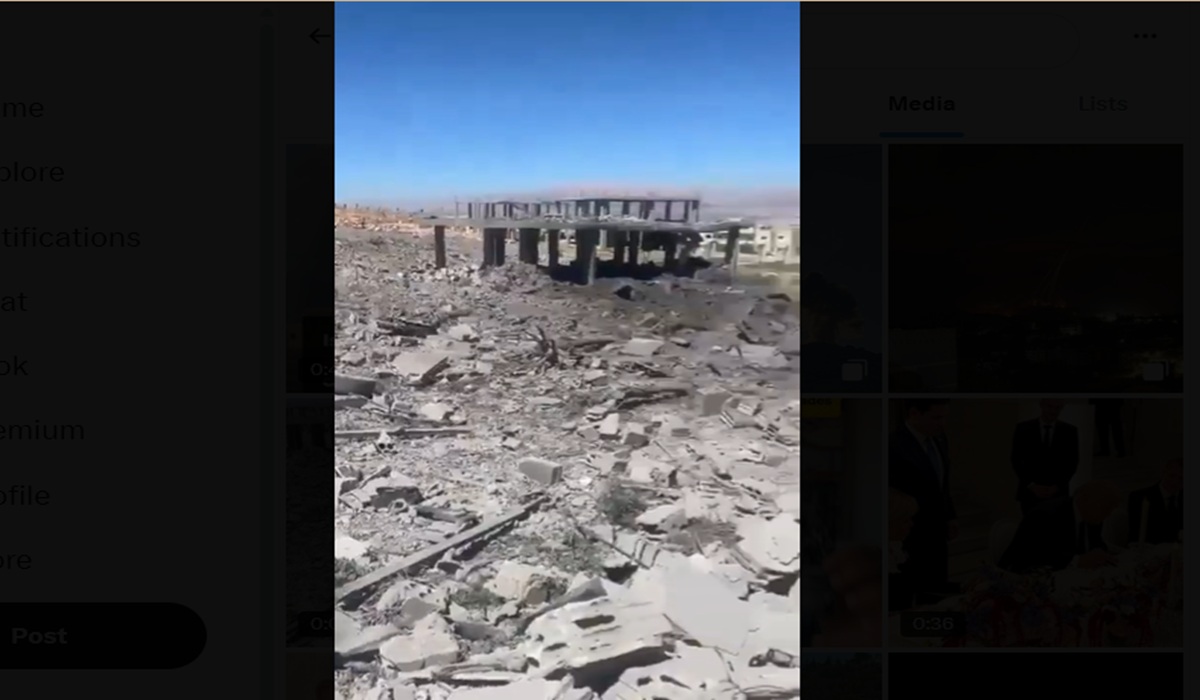
Israel and Hezbollah have finally agreed to a ceasefire, effective immediately, following renewed threats of attacks in Lebanon. This information was conveyed by a United States official on Friday (19/6) local time.
The agreement was reached following mediation involving the United States and Qatar, alongside intensive communication with Israel and Iran. A diplomat from a Gulf nation also confirmed the temporary cessation of hostilities.
This development follows a period of heightened tension in Lebanon over the past two days. Lebanese authorities reported at least 4/7 deaths due to Israeli airstrikes, while the Israeli military announced the deaths of four of its soldiers. This figure represents the highest combined casualty count since the United States and Iran agreed to the latest peace framework.
In a telephone conversation with US Secretary of State Marco Rubio, Lebanese President Joseph Aoun emphasised the importance of halting Israeli attacks in Lebanese territory. “There must be an end to Israeli attacks in Lebanese territory through the realisation of a comprehensive ceasefire,” stated the Lebanese presidency office.
However, Washington continues to emphasise the issue of Hezbollah’s disarmament as a vital condition for long-term stability. According to the US Department of State, Rubio reiterated the importance of the Lebanese government taking full control over all territories within the country.
“Two sovereign governments will continue negotiations to achieve sustainable peace. The disarmament of Hezbollah remains a key agenda item,” said a spokesperson for the US Department of State.
Israel’s Ambassador to the United States, Yechiel Leiter, stated that his country is prepared to implement the ceasefire provided that Hezbollah respects the reached agreement. “Israel is committed to an immediate ceasefire, as long as Hezbollah ceases all acts of hostility,” said Leiter.
The peace agreement signed by US President Donald Trump and Iranian President Masoud Pezeshkian earlier this week was originally designed to end the conflict that erupted on 28 February. Iran has maintained from the outset that the cessation of fighting in Lebanon must be an inseparable part of any agreement.
Prior to the announcement of the ceasefire, the Israeli military admitted to attacking more than 80 Hezbollah targets in southern Lebanon, killing dozens of group members. Conversely, Hezbollah continued to launch retaliatory attacks, making the situation increasingly difficult to control.
Nevertheless, tensions have not fully subsided. Lebanese state media reported Israeli airstrikes in the Jezzine region following the ceasefire announcement, though Leiter denied these reports.