
ISPA cases in Pontianak rise 10 percent amid haze
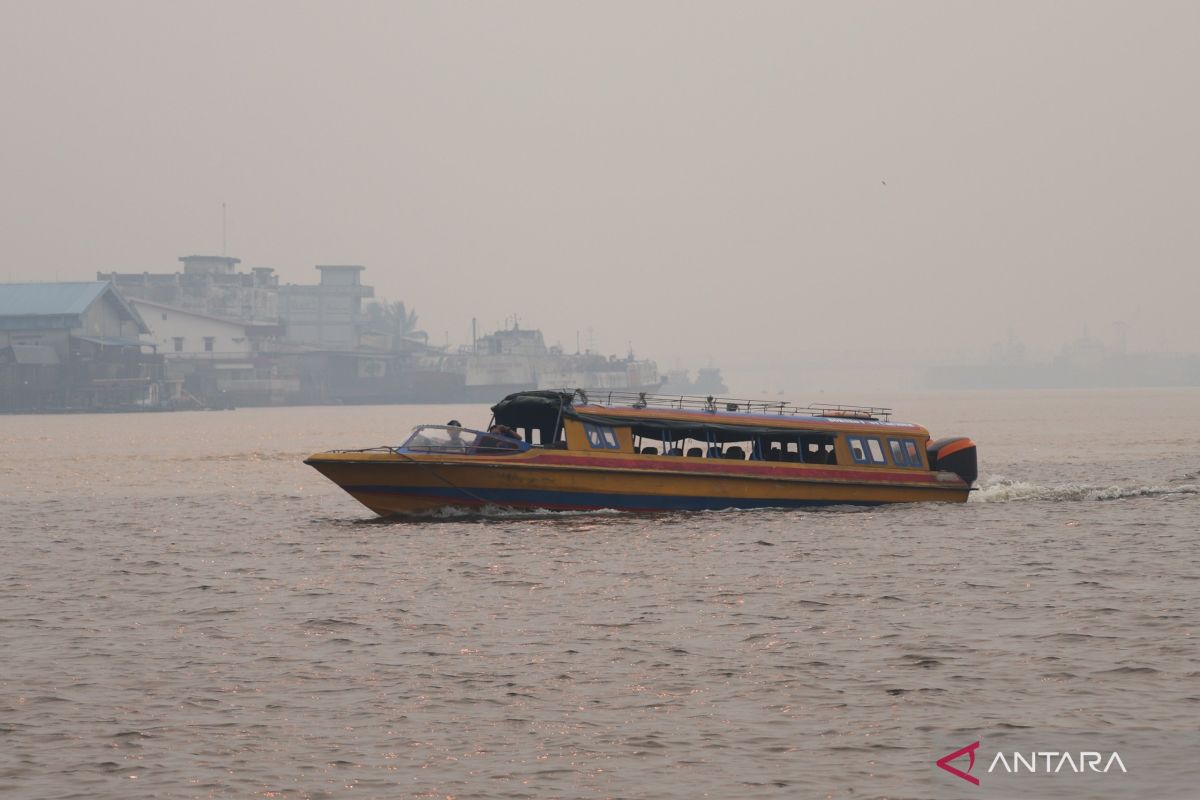
The Pontianak Health Office in West Kalimantan has recorded a 5-10 percent increase in acute respiratory infection (ISPA) cases over the past week following the emergence of haze caused by forest and land fires (karhutla).
“Based on the data, from last week to this week there has been an increase in ISPA cases, approximately 5-10 percent from daily cases,” said Head of the Pontianak Health Office Saptiko in Pontianak on Tuesday.
Saptiko reminded the public, especially vulnerable groups, to limit outdoor activities when the haze thickens. The vulnerable groups he referred to include the elderly, pregnant women, infants, toddlers, and people with asthma and heart disease.
For those who must be active outdoors, he reminded them to continue wearing masks to reduce exposure to particles from smoke-polluted air.
However, he said the increase in ISPA cases is also influenced by various factors and not solely by haze from forest and land fires.
“We cannot distinguish whether an ISPA case is due to haze or not. ISPA has many other contributing factors. But the indication is that with the presence of haze, there is an increase in ISPA cases,” he said.
“Usually asthma. Asthma cases increase because in people who have asthma, smoke triggers attacks in them,” he added.
Saptiko also said that the water conditions used by the public during the dry season have not shown any impact on the increase of water-related diseases.
According to him, most people in Pontianak use gallon water, which is regularly monitored for cleanliness and health.
“As I see it, for diseases related to water quality there is no problem, no increase. Most people in Pontianak use gallon water,” he said.
However, people who use rainwater for daily needs are urged to be more careful, especially since rainfall during the dry season tends to be erratic and the first rainwater potentially carries dirt from the air or collection surfaces.
“Ideally, the first rain should not be used because it is still dirty,” he said.
Regarding the use of brackish and salty water for certain needs, Saptiko said that such conditions do not directly cause skin health problems.