
ISMP Kaltim Suggests Decentralising School Uniform Distribution
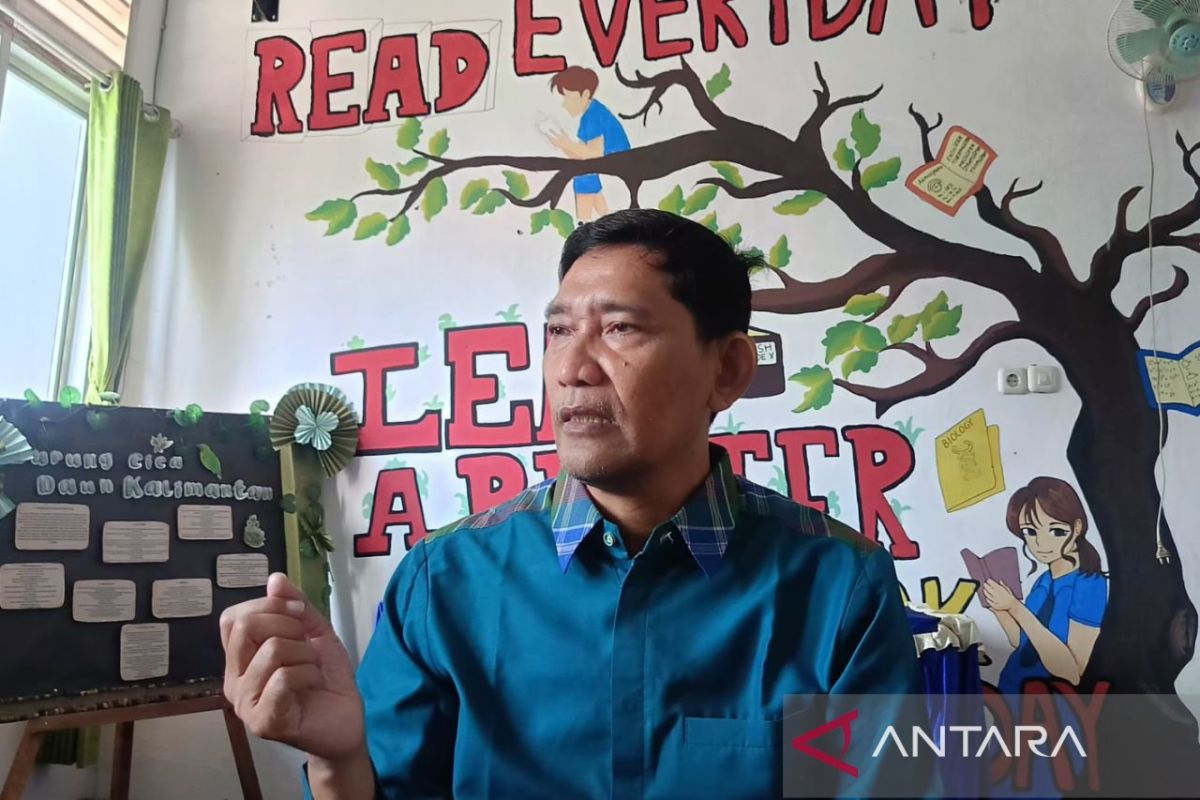
Samarinda (ANTARA) - The head of the East Kalimantan (Kaltim) Association of Education Management Graduates (ISMP), Abdul Rozak, has advised the provincial government to decentralise the distribution of tens of thousands of free school uniform packages for new senior secondary school (SMA/SMK) students in the region.
Beyond decentralising distribution, Abdul Rozak, who is also an education practitioner in East Kalimantan, offered a number of solutions to accelerate the distribution of 65,000 free uniform packages for new SMA/SMK students.
“The free uniform programme from the government is fundamentally very good, but over the past two years it has frequently faced distribution delays, only being completed in November,” said Abdul Rozak in Samarinda on Friday.
This situation creates a psychological and social burden for new students, who feel self-conscious about having to continue wearing their junior secondary school (SMP) uniforms in their senior school environment.
Rozak went on to say that decentralising uniform distribution could be achieved by granting autonomy to each school to cooperate with local small and medium enterprises (SMEs) or legally incorporated school cooperatives.
“With a decentralised scheme, uniform measurements could be taken directly during new student re-registration, so the uniforms could be finished within one week to ten days before the new academic year begins,” said the East Kalimantan Education Council official.
A second scheme, he said, would be designing the provision of standard sizes, such as M, L, and XL, prepared in advance from May or June.
The provision of these sizes could be based on data mapping of junior secondary school graduates, allowing the government to procure and distribute the uniforms more quickly to each target school.
Rozak also proposed improving the distribution scheme so that this government priority programme can run far more effectively and reach vulnerable communities through an affirmative action route.
He suggested the government should not merely distribute national uniforms, typically worn only on Mondays, evenly to all students, but instead focus on providing a complete, full set of uniforms specifically for children from underprivileged families.
“This affirmative action scheme would be far better targeted, delivering enormous benefits to families who genuinely need it, and would be easier to implement through cooperation with school cooperatives,” said Rozak.