
Is Russia Heading for a Fuel Crisis?
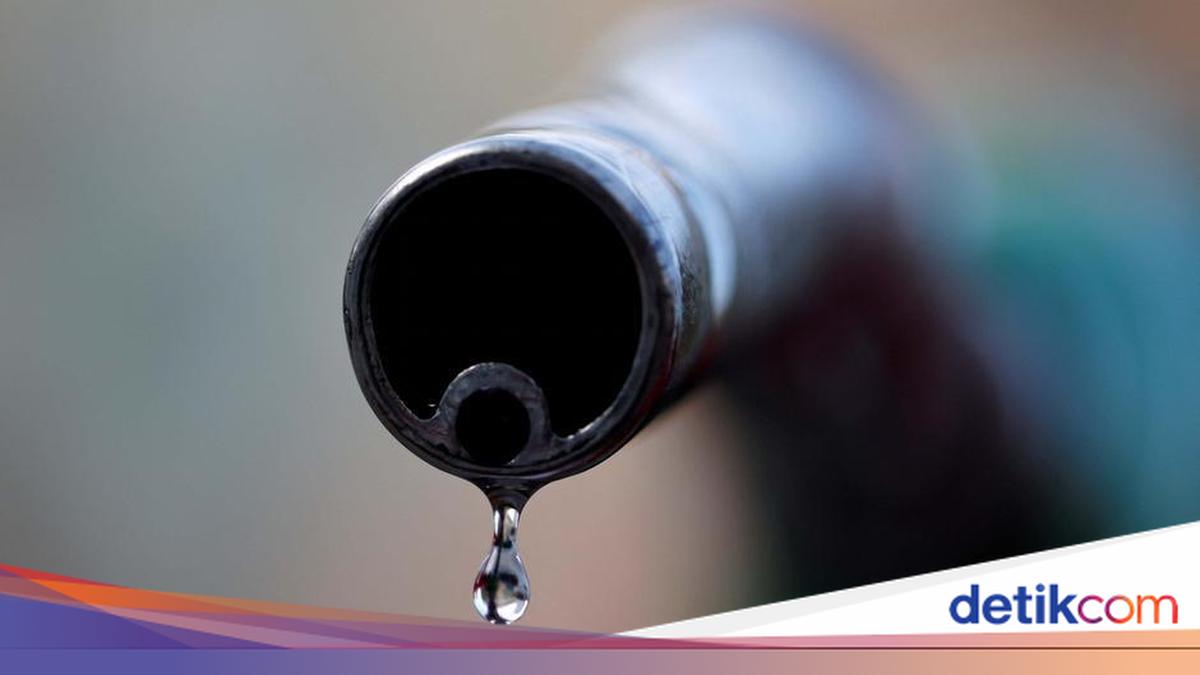
Fuel supply disruptions in Russia are escalating after Ukrainian drone strikes on oil refineries, with the situation expected to worsen in the coming months. If the attacks continue at their current intensity and damaged refineries fail to resume normal operations, localised shortages could develop into a broader crisis.
According to open-source data, fuel supply problems have already been reported in more than 10 Russian regions in recent weeks. Some petrol stations have imposed restrictions or halted petrol sales entirely.
The situation is most tense in the Russian-occupied Crimea, where a recent drone strike disrupted traffic on the so-called Novorossiya Highway, a key logistics route connecting the peninsula to the Rostov region. Media reports describe a ‘logistics lockdown,’ with authorities forced to introduce strict controls. Premium petrol is now available only via coupons, and even regular petrol sales are limited to 20 litres per purchase at some stations.
In the neighbouring Krasnodar region, 15 petrol stations recently stopped selling fuel completely. While this is a small fraction of the region’s total outlets, social media complaints are growing, with users linking shortages to an influx of drivers from Crimea seeking fuel.
Krasnodar Governor Veniamin Kondratyev described the situation as ‘difficult’ and attributed it to an ‘abnormal’ surge in demand. Shortages have also been reported sporadically in central Russian regions such as Kursk, Belgorod, and Ryazan, as well as in Moscow and its suburbs. Problems are emerging in northwestern regions, including St. Petersburg, Leningrad, Pskov, Novgorod, Murmansk, and Karelia, and as far away as Siberia and the Russian Far East.
Russia typically experiences seasonal fuel supply tightness in summer due to agricultural demand and holiday travel, compounded by routine refinery maintenance. However, in 2024 and 2025, Ukrainian drone strikes have exacerbated these disruptions beyond normal seasonal patterns. According to Bloomberg, eight of Russia’s ten largest refineries were targeted in May alone, with some facilities, including Lukoil’s plants in Nizhny Novgorod and Perm, hit repeatedly.
Yaroslav Kabakov, strategy director at Moscow-based investment firm Finam, noted that recent strikes have targeted secondary processing units critical for producing petrol and diesel, not just primary distillation units. ‘Repairing these facilities takes months and is further complicated by sanctions limiting equipment supplies,’ he said.
Official production data is largely classified, but available figures indicate a significant year-on-year decline. According to Rosstat, oil product output fell 9% in April compared to the previous year, and Bloomberg estimates a 13% drop in May. The independent Centre for Research on Energy and Clean Air reports that Rosneft’s Tuapse refinery was hit hardest, with exports plunging 73% year-on-year between January and May, resulting in estimated losses of €1.7 billion.
Market participants warn of a potential systemic fuel shortage if refinery outages persist. A source told Kommersant that while significant shortages are currently confined to Crimea, reserves in other regions are insufficient, and the crisis could spread to many areas by late July or early August.
In response, Russia’s Energy Ministry established an ‘industry task force’ on 8 June to ensure stability in the energy and fuel sector. The government has also re-imposed a ban on petrol exports and, in an unprecedented move, restricted kerosene exports. Supplies of Belarusian petrol on the St. Petersburg commodity exchange have increased significantly.
Retail fuel prices are expected to rise, but sharp increases are unlikely due to strict state controls. Some independent petrol stations and small networks may temporarily close to avoid losses. The Ukrainian drone campaign is imposing substantial costs on Russia’s oil sector.