
Is Makeup Allowed for ID Card Photos? Here Are the Regulations
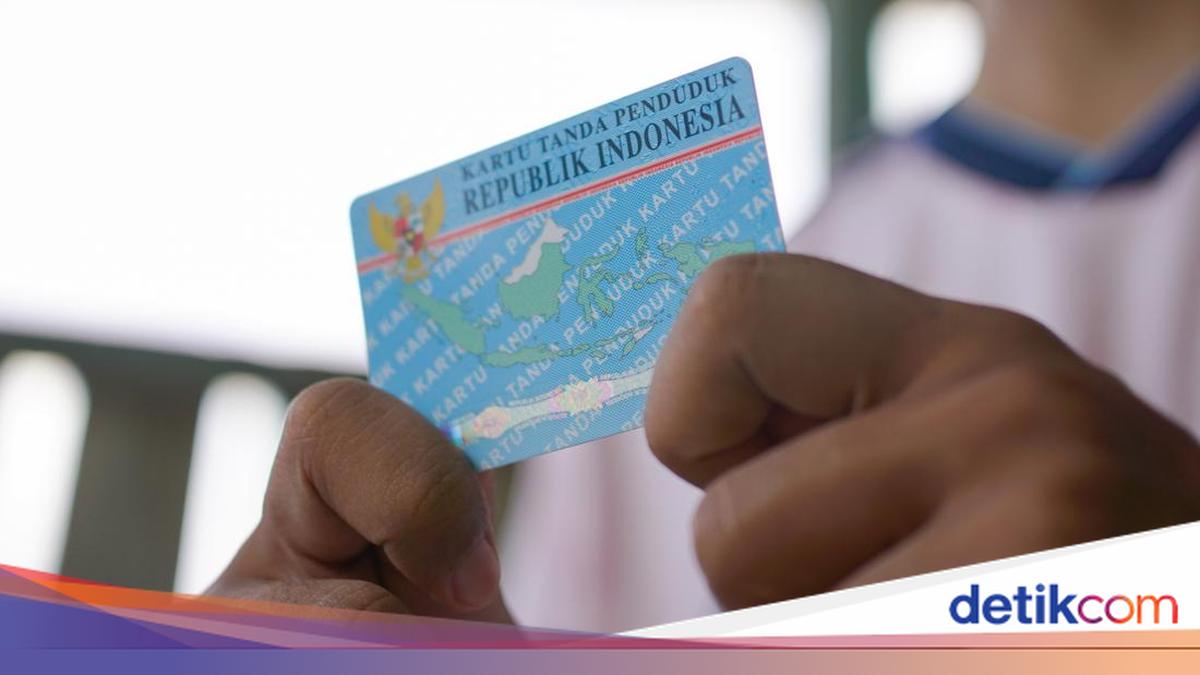
The National Identity Card (KTP) is a vital identity document containing essential data used for the long term. The information within it is valid for a lifetime, including the photograph which serves as the owner’s visual identity.
Consequently, the Directorate General of Population and Civil Registration (Dukcapil) of the Ministry of Home Affairs has emphasised several provisions to ensure the photo recording process is comfortable and the results are satisfactory for applicants.
Quoting from the official Dukcapil Ministry of Home Affairs website, here are several KTP photo rules that need to be known:
Citizens are permitted to use makeup during the e-KKT photo recording process. In fact, applicants are encouraged to present themselves at their best and dress neatly in accordance with prevailing norms.
However, makeup should not be excessive or overly thick.
There are two things that remain prohibited during the photo session: the use of glasses and contact lenses. Regarding contact lenses, this prohibition is due to technical reasons, as their use can cause the system to fail in reading the applicant’s eye biometrics.
To support applicant comfort, every District and City Dukcapil Office is now required to provide supporting facilities, such as changing rooms and simple grooming kits. This provision is stipulated in the Circular Letter of the Director General of Dukcapil Number 400.8.1.2/13999/Dukcapil dated 11 October 2024 concerning the Procedures for Taking Photos During Electronic KTP Recording.
With these facilities available, citizens can tidy their clothing, hairstyles, or facial makeup modestly before sitting in front of the camera. Applicants will no longer need to rush through the photo session without prior preparation of their appearance.
Applicants May Check KTP Photo Results
In addition to providing grooming facilities, Dukcapil also grants citizens the full right to inspect the photo results before the data is saved to the national biometric system. Recording operators are required to display the facial portrait on a monitor and seek direct approval from the applicant.
If an applicant is dissatisfied with the photo result, they have the right to request a retake until an approved result is achieved. Only after the photo is declared appropriate and approved by the applicant will the operator proceed with the next biometric data recording steps, namely fingerprinting and iris scanning.
These neatness provisions also apply to the e-KTP recording programme for first-timers, including mobile services targeting secondary schools. Schools are urged to actively remind students, who are prospective e-KTP holders, to bring neat change of clothes during the recording schedule, so that students can appear confident during their first identity card photo session.
Deadline for KTP Processing
Aside from the photography procedures, the public is also advised to note the legal deadline for e-KTP creation. Based on technical guidelines from the Jakarta Provincial Disdukcapil, citizens are required to process their e-KTP no later than 14 days after meeting one of the following conditions:
Having reached the age of 17;
Having married, even if under the age of 17;
Receiving a moving-in certificate (SKPWNI) for residents arriving from other regions or abroad;
Having reported a change in population status from a temporary resident/foreign national to an official resident.