
Is it true that online loan debts are automatically written off after 90 days? The facts explained
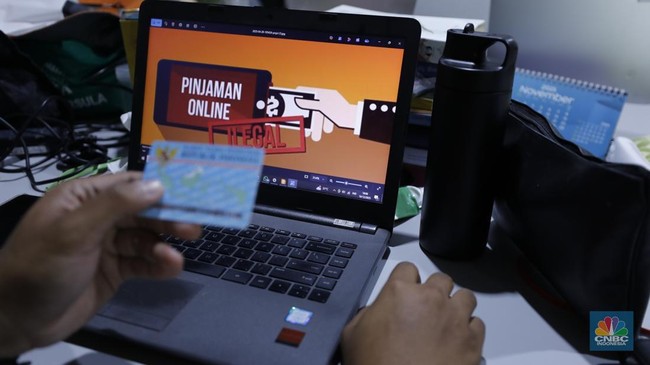
Jakarta, CNBC Indonesia – There is a common misconception among the public that online loan debts automatically expire if unpaid for 90 days. However, this belief is not entirely accurate.
The term ‘overdue payment beyond 90 days’ actually refers to a non-performing loan status in credit quality assessment systems. This means borrowers are classified as defaulters, but their debt obligations do not simply vanish.
Regulations indicate the opposite: a 90-day delay does not erase the debt but classifies it as problematic credit, with long-term financial consequences for the borrower.
The Financial Services Authority (OJK) has confirmed that this status remains attached to borrowers and can affect their future access to financial services.
Under OJK Regulation No. 10/POJK.05/2022, delays in principal or interest payments beyond 90 days are categorised as ‘TWP 90’ non-performing loans. This status does not cancel the debt.
Borrowers remain obligated to repay their loans, and online lenders may pursue legal action to resolve the issue.
Moreover, defaulting borrowers are reported to OJK’s Financial Information Services System (SLIK), resulting in blacklisting and difficulty obtaining loans from any financial institution.
In addition to legal consequences, interest continues to accrue. OJK’s 2022 rules set legal consumer loan interest at 0.4% per day for terms under 30 days, while productive loans can charge 12%-24% annually.
OJK has also stated it will not protect consumers who act in bad faith and deliberately default.
Debt Collection Period
Online loan debts do not have an expiry date, but according to OJK Regulation No. 22 of 2023, Article 62, financial service providers must ensure debt collection adheres to societal norms and legal regulations.
Thus, financial institutions must avoid threats, humiliating actions, intimidation, or persistent harassment during collections.
The regulations specify that collections must occur at the borrower’s address or domicile between Monday and Saturday, excluding national holidays, from 8:00 to 20:00 local time. Debt collectors may operate outside these hours or locations only with the borrower’s prior consent.