
Is Israel Spying on the US? Espionage Among Allies Is Nothing New
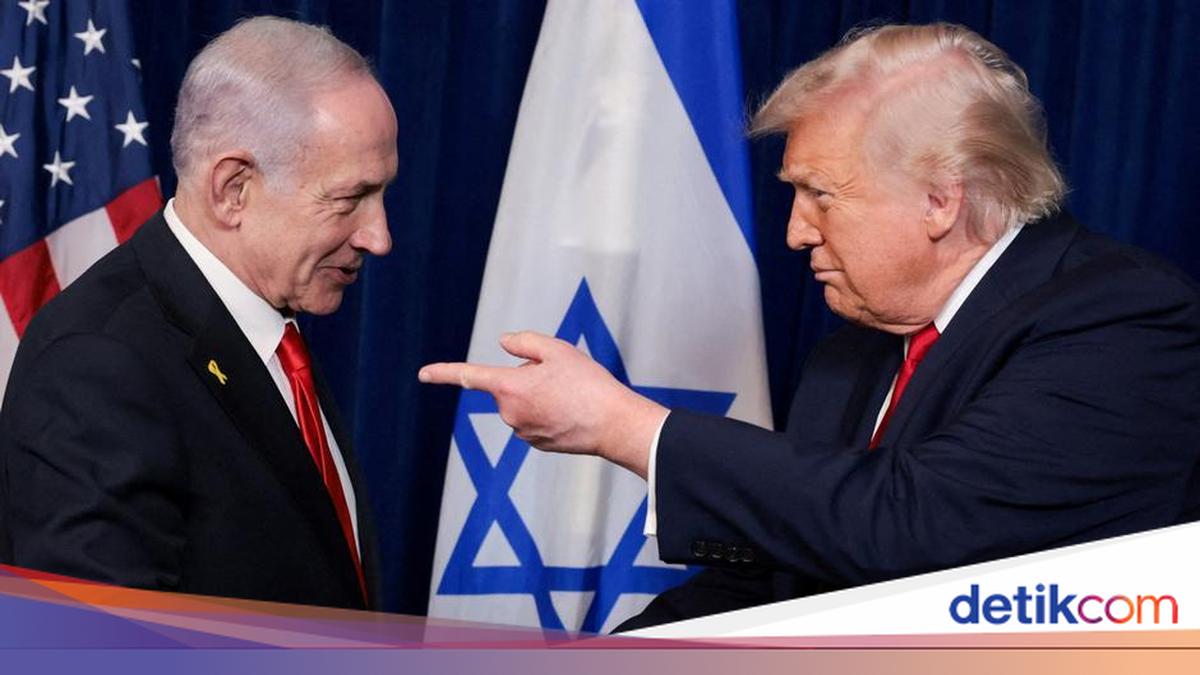
Several media outlets have reported that an anonymous source from the US Defense Intelligence Agency (DIA) leaked internal information stating the Pentagon has raised Israel to the highest counterintelligence threat category. The change was reportedly made because Israel has significantly expanded its espionage activities against the United States. The US government has denied the report, while Israel called it “completely untrue.”
The report caused a stir in Washington, which still considers Israel one of its closest partners, while simultaneously highlighting a decades-old problem: mutual distrust regarding intelligence activities conducted by strategic allies.
In Germany, the news recalled Chancellor Angela Merkel’s 2013 statement after it was revealed that the US National Security Agency (NSA) had tapped her mobile phone. “Spying on friends is never acceptable,” Merkel said at the time. However, shortly afterwards, it was also revealed that Germany’s foreign intelligence service, the BND, had also been spying on allied countries, governments, and international institutions for decades.
German intelligence expert Erich Schmidt-Eenboom said that even friendly nations routinely spy on each other. According to him, this applies particularly to the US and Israel. “There have been repeated Mossad operations in the United States in the context of combating international terrorism that were not coordinated with the FBI. Conversely, Israel has always been an attractive target for NSA electronic surveillance, especially during various wars,” he said.
The most famous case of Israeli espionage in the US to date remains the Jonathan Pollard case in 1987. Working as a US Navy intelligence analyst, Pollard handed over information to Israel and received tens of thousands of US dollars in return, according to The Times of Israel. After pleading guilty, he was sentenced to life imprisonment in the US. However, prominent Israeli politicians repeatedly defended Pollard until he was released from prison in 2015 under certain conditions. When Pollard was allowed to travel to Israel in 2020, Prime Minister Benjamin Netanyahu personally welcomed him at the airport. “That was a considerable insult to the Americans,” Schmidt-Eenboom told DW.
In 2004, it was revealed that Lawrence Franklin, a policy analyst at the US Department of Defense, had passed on classified information about US policy towards Iran to Israel through the influential pro-Israel lobby group AIPAC. Israel and AIPAC denied this, but Franklin was still found guilty of espionage charges.
After the Snowden case in 2013, Israeli espionage in the US did not become a prominent issue. However, the British daily The Guardian mentioned in passing that according to one of the documents leaked by Edward Snowden, a US national intelligence report ranked Israel as the “third most aggressive intelligence service against the US.”
The Snowden document leak became major news because it revealed mass surveillance by the NSA and other US intelligence agencies of millions of people. The documents also revealed close cooperation between the NSA and the intelligence services of friendly nations, while simultaneously showing that the US also spied on its own allies. Those affected included Chancellor Merkel as well as French Presidents Jacques Chirac, Nicolas Sarkozy, and Francois Hollande.
In 2023, leaked Pentagon documents indicated that US intelligence agencies had monitored internal discussions within the South Korean government. Both sides denied this and jointly announced that the documents were largely fabricated, without specifying which meetings were referred to.
The latest controversy is largely viewed in the context of the US-Israel war against Iran and the strained relationship between Donald Trump and Benjamin Netanyahu. While Trump appears to be trying to resolve the conflict as quickly as possible, Netanyahu is seen by Trump as too slow in ending the war.
According to various assessments, Israel may indeed have crossed a line by monitoring high-level US officials, including US Special Envoy Steve Witkoff and several Department of Defense officials who are privy to the details of US negotiations with Iran. If true, this classification change could be seen as a crisis of trust between Washington and Israel. However, the remaining question is why this information is only now becoming public.
For Erich Schmidt-Eenboom, whether the information is true or not is not particularly important. He believes the information was released with the knowledge of the US government. Trump is looking for ways to pressure Israel diplomatically. “However, given the midterm elections next November, he cannot afford to anger the Israeli lobby in the US, for example by simply cutting military aid to Israel,” he said. Behind the impression that Israel is massively violating US interests through counterintelligence activities, such a move could become much easier. “Now the US president has an opportunity to pressure Israel to stop the bombing and withdraw troops from southern Lebanon,” the intelligence expert told DW.