
Is Cryptocurrency Legal in Indonesia? Official 2026 Guide
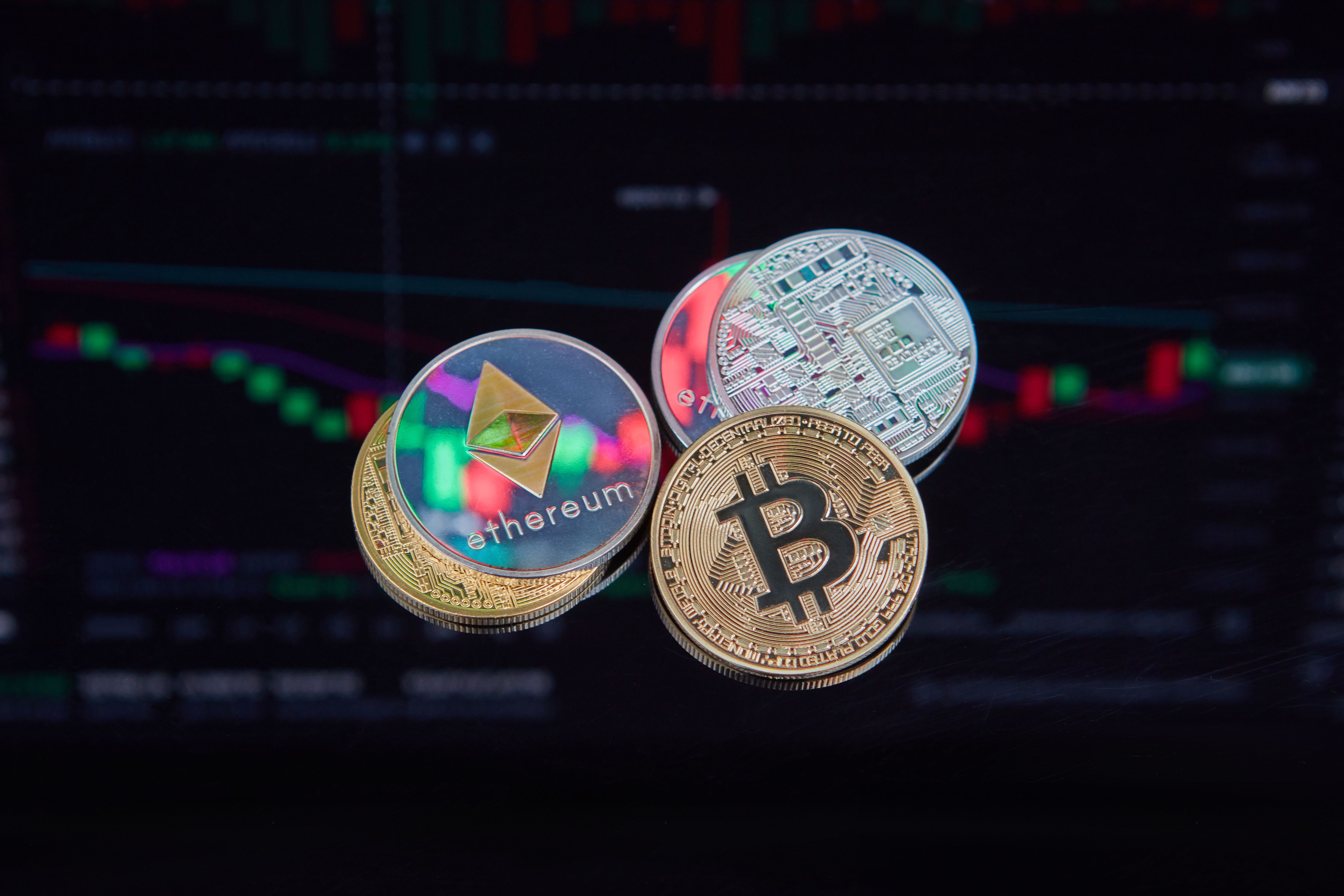
Yes, cryptocurrency is legal in Indonesia. Crypto assets are legally recognised as assets that can be owned and traded, and since 10 January 2025, their supervision has been under the Financial Services Authority (OJK). However, there is one crucial limitation: cryptocurrency is legal as an investment asset, not as a means of payment. You may buy, store, and sell crypto assets through OJK-licensed platforms, but you cannot use them to pay for goods or services, as the sole legal tender in Indonesia is the rupiah.
Legal status evolved in stages. Initial recognition came from the Coordinating Ministry for Economic Affairs via Letter No. S-30/M.EKON/09/2018, which classified crypto assets as commodities tradeable on futures exchanges but prohibited their use as payment. This was reinforced by Minister of Trade Regulation No. 99 of 2018. For several years, supervision was handled by the Commodity Futures Trading Regulatory Agency (Bappebti) under the Ministry of Trade, with key rules including Bappebti Regulation No. 8 of 2021 and No. 11 of 2022 governing trading and the list of permitted crypto assets.
A turning point came with Law No. 4 of 2023 on Financial Sector Development and Strengthening (UU P2SK). This law reclassified crypto assets from commodities to digital financial assets and mandated the transfer of oversight to the OJK. Through Government Regulation No. 49 of 2024, the official handover of duties from Bappebti to the OJK and Bank Indonesia took effect on 10 January 2025, coinciding with the enactment of OJK Regulation (POJK) No. 27 of 2024 concerning the Organisation of Digital Financial Asset Trading Including Crypto Assets, later amended by POJK No. 23 of 2025.
Bank Indonesia has repeatedly stressed that crypto assets are not legal tender, as Law No. 7 of 2011 on Currency stipulates that only the rupiah is recognised as legal tender in Indonesia. Consequently, crypto assets are positioned as investment instruments or digital commodities, not money. Using cryptocurrency for buying and selling goods or services may result in sanctions. For novice investors, this framework provides clarity: crypto assets are treated as regulator-supervised investment instruments with clear rules on trading, storage, and taxation.
Since supervision moved to the OJK, the trading ecosystem has been restructured to separate functions for enhanced consumer protection. The ecosystem now comprises a Digital Financial Asset Exchange, a Clearing Institution, a Custodian, and Digital Financial Asset Traders (PAKD), which are the platforms where users transact. As of mid-2026, the OJK has approved 32 entities: two exchanges (PT Central Finansial X and PT Fortuna Integritas Mandiri), two clearing and settlement institutions, two custodians, and 26 PAKDs, with PT Luno Indonesia Ltd receiving its licence in May 2026. This layered structure ensures that investor funds and assets are segregated from the operational accounts of the traders.
Tax rules for cryptocurrency were updated via Minister of Finance Regulation No. 50 of 2025, effective 1 August 2025. Value Added Tax (PPN) on the transfer of crypto assets has been abolished, as crypto is now treated similarly to securities. The only remaining tax is final Income Tax (PPh) Article 22, which is only imposed when you sell or swap crypto assets, not when you buy. The rate is 0.21% for transactions on OJK-licensed domestic platforms and 0.42% for transactions on unlicensed foreign platforms. This simplifies tax obligations significantly, with tax on domestic platforms being deducted automatically.
Source: jawawa.id (https://jawawa.id/newsitem/is-cryptocurrency-legal-in-indonesia-official-2026-guide-1786161018)
Originally published by bareksa.com (https://www.bareksa.com/berita/kripto/2026-08-07/apakah-kripto-legal-di-indonesia-panduan-resmi-2026), translated from Indonesian