
Is Cold Rice Healthier? The Benefits and Risks
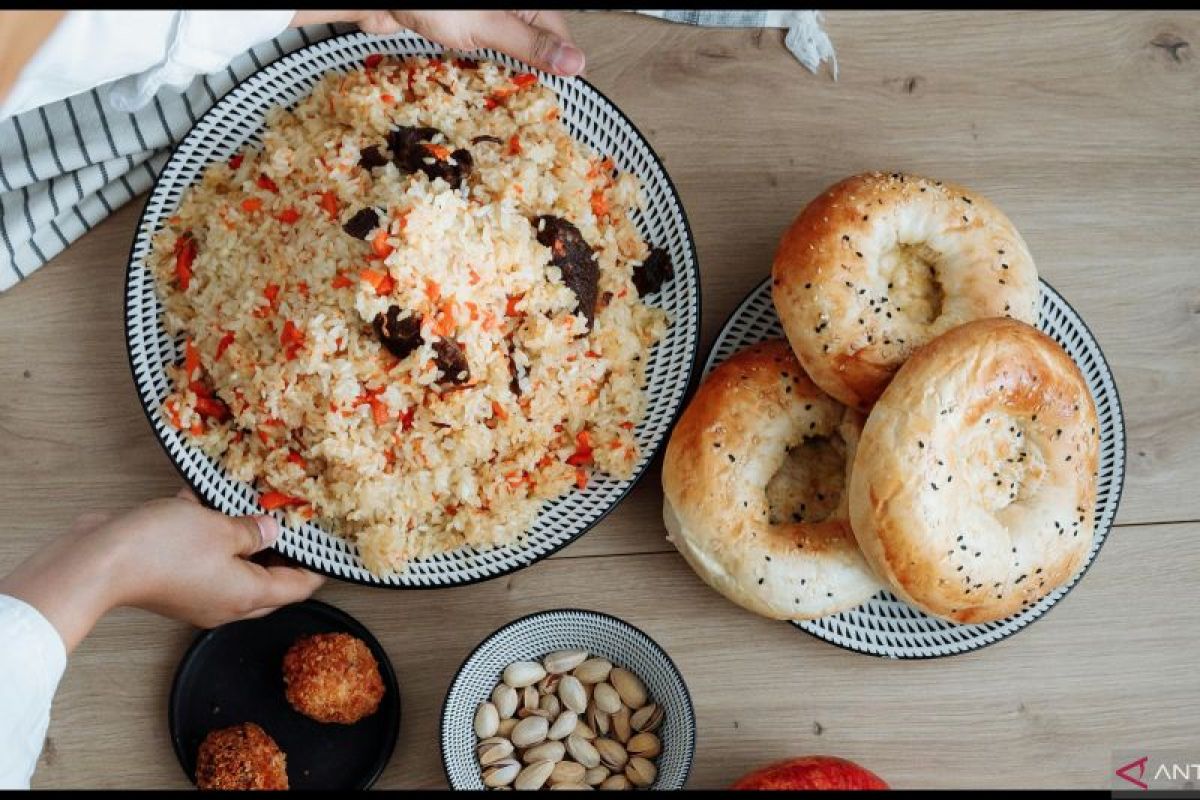
Jakarta (ANTARA) – Rice eaten while still hot can be appetising, especially when served with side dishes and sambal. However, some people prefer to refrigerate rice and reheat it before eating.
Some may have heard the claim that cold rice is better for health, and is even believed to reduce blood sugar and help control weight.
Is this true, or is it merely a myth? Here is an explanation.
According to Healthline, rice that has been cooled contains more resistant starch than freshly cooked rice.
Resistant starch is a type of carbohydrate that the body cannot digest but which can be fermented by gut bacteria. It acts as a prebiotic, providing food for beneficial bacteria in the digestive tract.
One type is retrograded starch, which forms when rice is cooked and then cooled. Interestingly, rice that is cooled and subsequently reheated contains even more resistant starch.
One study compared freshly cooked white rice with rice that had been cooled and reheated. It found that the cooled and reheated rice contained 2.5 times as much resistant starch and helped keep blood sugar levels stable.
The BBC describes one way to increase the resistant starch content of rice: cook it with a teaspoon of coconut oil for 40 minutes, then cool it and refrigerate it for 12 hours.
Cooling helps produce resistant starch. When rice is cooked, amylose, the soluble component of starch, is released from the granules during gelatinisation.
As the rice cools, the amylose molecules form hydrogen bonds, changing the starch’s structure and making it harder to digest.
Resistant starch has several health benefits, including improving digestion, supporting gut health, regulating blood sugar levels, helping people feel full for longer and providing food for beneficial gut bacteria.
Eating cold or reheated rice can increase the risk of food poisoning caused by Bacillus cereus. Around 15–30 minutes after consumption, the bacteria can cause abdominal cramps, vomiting and diarrhoea.
The problem is not the temperature of the rice itself, but how it is stored and cooled. The harmful bacteria can multiply rapidly when rice is kept at temperatures between 4 and 60 degrees Celsius.
If cooked rice is left at room temperature for too long, Bacillus cereus spores can develop into active bacteria. These then multiply and can cause food poisoning. Reheating the rice does not necessarily eliminate the toxins.
To reduce the risk, cool cooked rice promptly and store it in the refrigerator. Do not leave it at room temperature for too long, and reheat it before eating.