
Is Chilled Rice Really Healthier? How It Affects Blood Sugar
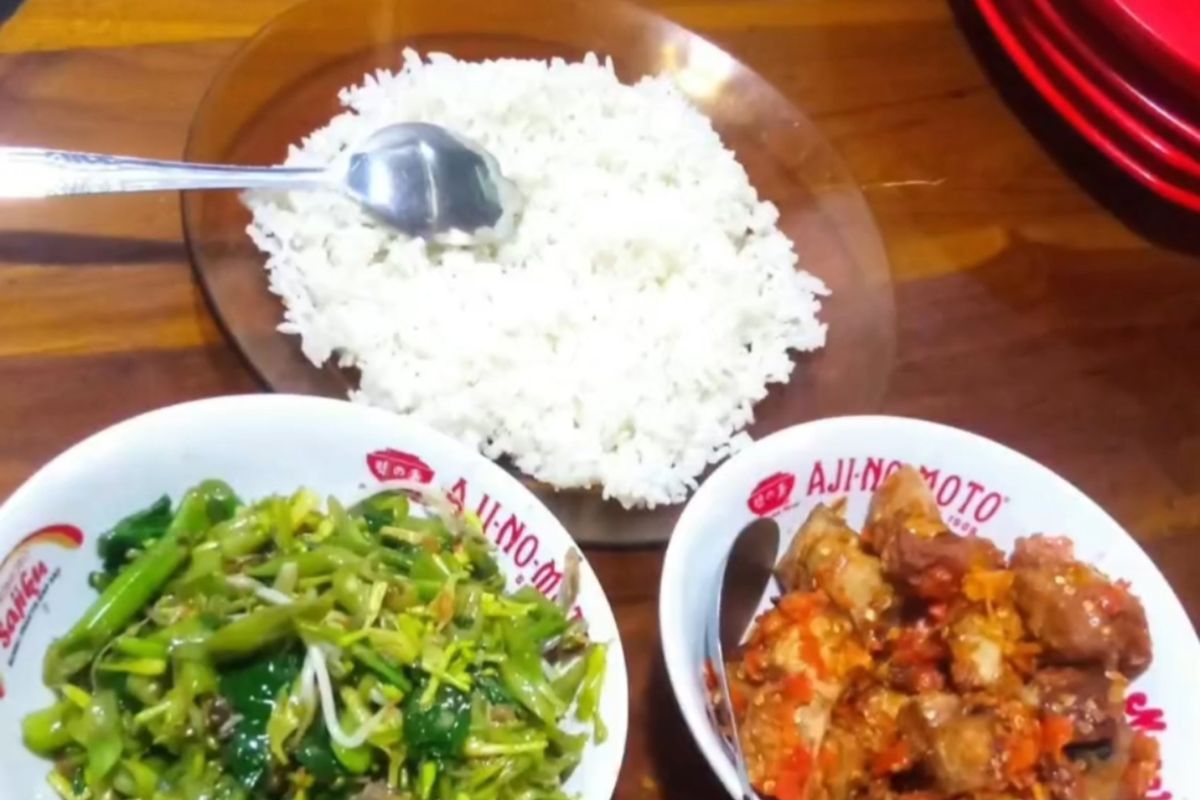
Jakarta (ANTARA) – Rice is a staple food eaten by many Indonesians. But how it is served often prompts questions, particularly about the differences between freshly cooked and chilled rice.
Some people consider chilled rice healthier because it contains more resistant starch. Warm rice, meanwhile, is often preferred for its softer texture and because it has just been cooked. The difference in temperature can affect the structure of the starch in rice, including how the body digests these carbohydrates.
So, is chilled rice really healthier than warm rice? To understand this, it is important to know what happens to rice after it is cooked and cooled, and how this affects blood sugar levels.
Why is chilled rice considered healthier?
The difference between warm and chilled rice is linked to changes in the structure of its starch during cooking and cooling. When rice has just been cooked, most of its starch is in a form that the body can digest relatively easily.
When rice is cooled, however, some of its starch undergoes a process known as retrogradation. The starch structure, which changed during cooking, rearranges, making some of it more difficult to digest.
This increases the amount of resistant starch. This type of starch is not fully digested in the small intestine and can reach the large intestine, where it is fermented by beneficial bacteria.
As a result, chilled rice may produce a lower rise in blood sugar than freshly cooked rice.
A study published in the Asia Pacific Journal of Clinical Nutrition in 2015 examined how cooling affected the resistant-starch content of white rice.
The researchers compared three conditions: freshly cooked rice; rice cooled for 10 hours at room temperature; and rice cooled for 24 hours at 4°C in a refrigerator before being reheated.
The tests found resistant-starch levels of 0.64g per 100g in freshly cooked rice, 1.30g in rice cooled for 10 hours, and 1.65g in rice refrigerated for 24 hours before reheating.
The study also involved 15 healthy adults. Its results showed that rice cooled for 24 hours and then reheated produced a lower blood-sugar response than freshly cooked rice.
However, the study had a relatively small number of participants, so its findings are not sufficient to conclude that chilled rice is always better for everyone.
Can chilled rice lower blood sugar?
The resistant starch in chilled rice can slow the digestion of some carbohydrates. This may result in a smaller rise in blood sugar after a meal.
A study published in the journal Nutrition & Diabetes in 2022 examined 32 people with type 1 diabetes. Participants ate freshly cooked white rice and rice that had been refrigerated for 24 hours at 4°C and then reheated.
The study found that chilled and reheated rice produced a lower peak rise in blood sugar than fresh rice. However, it also found more cases of hypoglycaemia, or excessively low blood sugar, among participants who ate chilled rice while using standard insulin doses.
These findings show that changes in blood-sugar responses need to be considered, particularly by people with diabetes who use insulin. They should not change their diet or medication doses based solely on information about chilled rice without consulting a healthcare professional.
Warm rice remains a good food choice and a source of energy. Cooling rice does not mean that freshly cooked rice loses all its nutritional benefits or becomes unhealthy.
Rice contains carbohydrates that the body needs for a range of activities. Its energy content and effect on blood sugar can vary according to the rice variety, amylose content, cooking method and the foods eaten alongside it.
A systematic review published in 2025 in the Journal of Medicinal Food also found that the glycaemic index of rice is affected by the variety and processing method. Cooling rice after cooking is one method that may reduce its glycaemic response, but the results are not consistent across all types of rice.
Therefore, there is no need to avoid warm rice simply because chilled rice contains more resistant starch. Both can be part of a balanced diet.
How to cool rice safely
If you want to try chilled rice to increase your resistant-starch intake, it is important to store it properly. Rice left at room temperature for too long can become a breeding ground for bacteria that cause food poisoning.
One bacterium to be aware of is Bacillus cereus. It can be present in raw rice as spores that may survive even after the rice has been cooked.
If cooked rice is left at room temperature for too long, the spores can multiply and produce toxins. Reheating does not always destroy toxins that have already formed.
Cool the rice promptly after cooking. If it will not be eaten straight away, transfer it to a clean, shallow container so it cools more quickly.
Store it in the refrigerator. Put the rice in the fridge once it has cooled quickly. Do not leave it at room temperature for too long.
Pay attention to storage time. The UK food-safety authority advises that cooked rice kept in the refrigerator should be eaten within a maximum of 24 hours.
Reheat it thoroughly. If you want to eat the rice warm, make sure it is steaming hot throughout. Avoid reheating only part of it.
Do not reheat rice more than once. Reheat only the portion you intend to eat, and do not store leftovers that have already been reheated.
These food-safety guidelines are important because rice contaminated with Bacillus cereus may show no change in smell, taste or appearance. Do not rely on the rice’s physical condition to decide whether it is safe to eat.
In terms of resistant-starch content and its potential effect on blood sugar, rice cooled using safe methods has some advantages over freshly cooked rice. But that does not mean chilled rice is always healthier for everyone.
Warm rice can still be eaten as a source of energy, while chilled rice may be an alternative for people seeking to increase their resistant-starch intake. Both should be eaten in portions suited to individual needs.
In addition to the temperature of the rice, consider the accompanying dishes, vegetables, protein sources and the amount of carbohydrate in each meal. The overall diet remains more important than choosing rice solely according to its temperature.
Source: jawawa.id (https://jawawa.id/newsitem/is-chilled-rice-really-healthier-how-it-affects-blood-sugar-1793667177)
Originally published by Antara (Indonesian) (https://www.antaranews.com/berita/5827851/benarkah-nasi-dingin-lebih-sehat-ini-pengaruhnya-pada-gula-darah), translated from Indonesian