
Is Changing the Regional Bank's Name Enough?
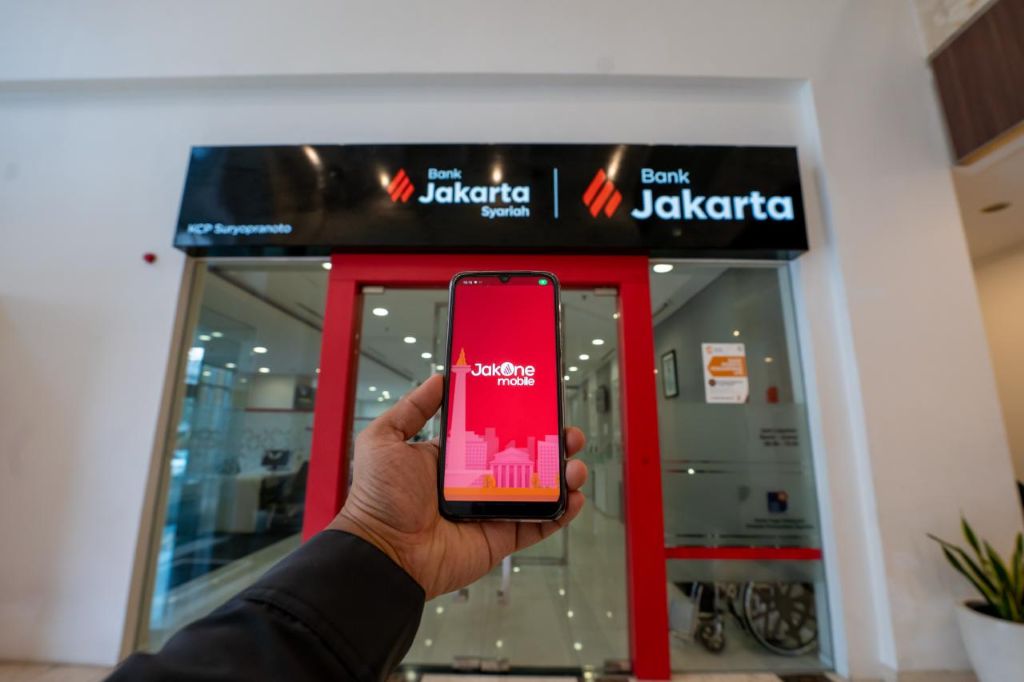
The Governor of Jakarta, Pramono Anung, officially inaugurated the name change from Bank DKI to Bank Jakarta during Jakarta’s 498th anniversary celebrations last year. This rebranding serves as a test of whether the regional bank can redefine its role, especially as Jakarta’s status shifts away from being the national capital.
Pramono explicitly stated that this change marks the beginning of a new transformative phase, aiming for a more modern, professional institution capable of competing at both national and regional levels. This shift is significant because Bank DKI has historically operated within a comfortable ecosystem, heavily supported by the Jakarta Provincial Government, civil servants, and regional-owned enterprises (BUMDs).
Under the Special Jakarta Region Law, the city is entering a new era, transitioning from a government centre to a global city focused on trade, services, finance, and business. Consequently, Bank Jakarta must transform. The removal of the ‘DKI’ identifier—which was closely tied to local government bureaucracy—and the adoption of ‘Jakarta’ carries a much heavier symbolic weight, representing a city with global ambitions.
However, history in the banking industry teaches that trust is built through service, not logos. The public still recalls various service disruptions experienced by Bank DKI in recent years. Therefore, the greatest challenge for Bank Jakarta is not introducing new colours or slogans, but proving that transformation has reached the operational level. Customers judge a bank by the stability of its applications, the smoothness of transactions, and the security of their funds, rather than the design of its logo.
Recognising this, Pramono has set an IPO target for the bank’s board of directors and commissioners. The target for an IPO in 2026 is not merely a corporate agenda; it is the ultimate test of corporate governance. The capital market does not prioritise regional sentiment; investors buy shares based on management quality, financial performance, risk management, and growth prospects. Thus, the transformation must move beyond cosmetic aspects.
Bank Jakarta’s President Director, Agus Haryoto Widodo, also noted that the rebranding is a strategic marker of a new direction and commitment to the community. As Jakarta faces increasing financing needs for public transport, housing, flood control, and digital transformation, Bank Jakarta has the opportunity to serve as a primary engine for urban development financing.
If the bank succeeds in strengthening governance, accelerating digital transformation, and expanding its customer base, this rebranding will be remembered as a historic turning point. Conversely, if the change is limited to new signage and corporate colours, it will be viewed as an expensive, meaningless cosmetic project. Ultimately, the public requires a bank that grows alongside Jakarta, not one that merely changes its name.