
Is Burying Thousands of Plecostomus Fish in Jakarta Effective? BRIN Researcher Explains
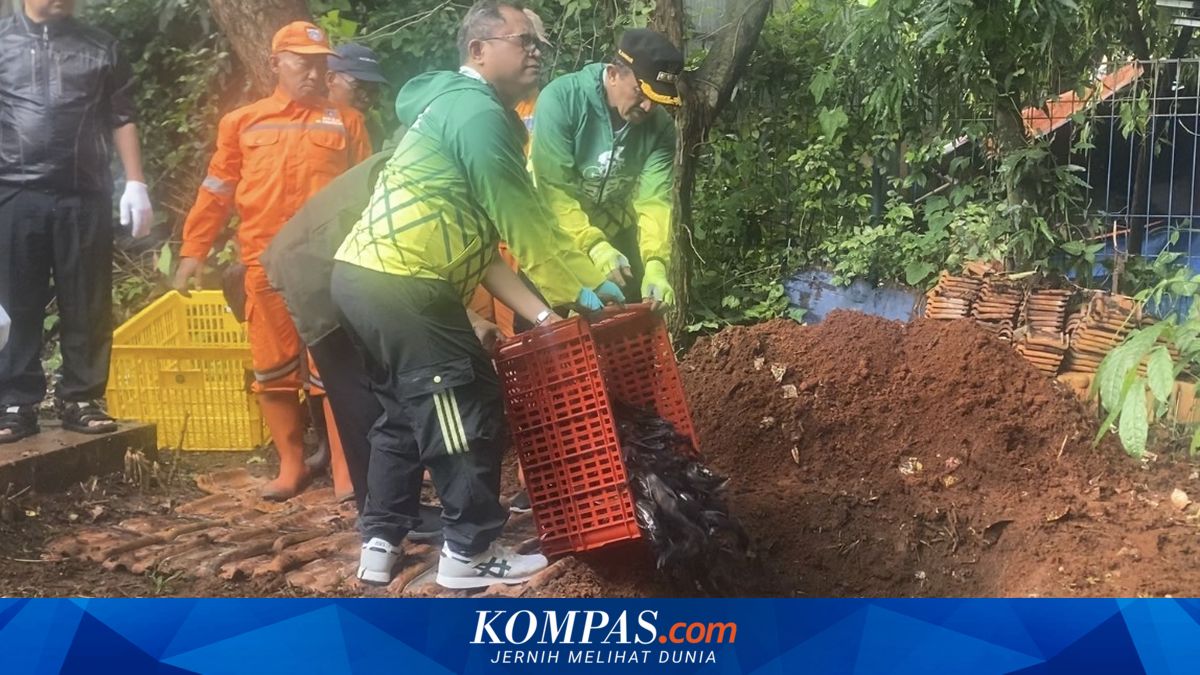
A large-scale river cleanup operation in Jakarta successfully netted nearly 7 tons of plecostomus fish in a short time. Due to their status as an invasive species contaminated with pollutants, thousands of these fish were ultimately culled by mass burial. Triyanto, a researcher at the Centre for Limnological Research and Water Resources (PRLSDA) of BRIN, assesses that the current burial method is the most rational option for controlling this invasive species, although certain technical and ethical notes must be met. Although deemed technically effective, Triyanto provides important caveats regarding animal welfare aspects. He emphasises that officials should not bury the fish while they are still breathing. “These plecostomus fish should not be buried alive, because from an animal welfare perspective, that does not meet the criteria, as it would cause stress, fear, and possibly discomfort. So if we must, we should kill them first,” he explained. Triyanto recommends quick culling methods, such as stabbing the head with a sharp object to ensure the fish dies immediately before being placed in the pit. “We must also have compassion for animals,” he added. So, can plecostomus fish be processed into livestock feed? The idea of utilising plecostomus fish as raw material for livestock feed is economically appealing, but Triyanto warns of lurking health risks. If the fish contain heavy metals from the Jakarta river, those pollutants could transfer to livestock and ultimately to humans. “If these plecostomus fish indeed contain heavy metals, then there will certainly be risks to the livestock and humans who consume them. Further safe research is needed,” said Triyanto. According to him, killing and burying the fish is actually safer ecologically because the fish carcasses will decompose into trace elements in the soil without entering the consumption food chain. “At least 1 metre deep, 1 or 2 metres so as not to cause aesthetic disturbances and a pungent odour in the local environment later,” he concluded. To date, burial remains the last line of defence in curbing the population explosion of invasive fish in Jakarta while awaiting the development of safer biological waste processing technology for living beings.
Source: jawawa.id (https://jawawa.id/newsitem/is-burying-thousands-of-plecostomus-fish-in-jakarta-effective-brin-researcher-explains-1776761465)
Originally published by Kompas (https://www.kompas.com/sains/read/2026/04/21/151121423/efektifkah-penguburan-ribuan-ikan-sapu-sapu-di-jakarta-ini-penjelasan?utm_source=ABC&utm_medium=rss), translated from Indonesian