
Is 1 Suro the Same as 1 Muharram? Here's the Historical Explanation
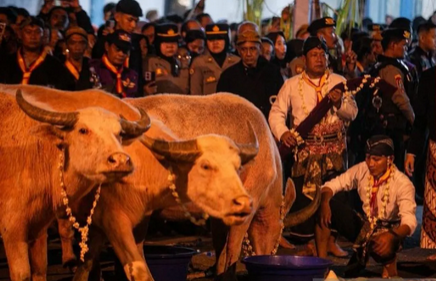
The question of whether 1 Suro is the same as 1 Muharram often arises with the arrival of each new year. By calendar date, both indeed fall on the same day, yet they possess different historical backgrounds, cultural identities, and modes of celebration. Technically, 1 Suro is the first day of the Javanese calendar, whereas 1 Muharram is the first day of the Hijri (Islamic) calendar. The following is an in-depth explanation of the connection between the two. The temporal coincidence of 1 Suro and 1 Muharram is not a matter of chance, but rather the result of a strategic policy by Sultan Agung Hanyokrokusumo, the King of Islamic Mataram, in 1633 AD (1555 Saka). At that time, Javanese society used the solar-based Saka calendar, while the Muslim community used the lunar-based Hijri calendar. To unify his people and strengthen the propagation of Islam in Java, Sultan Agung created the Javanese Calendar. Sultan Agung changed the Saka calendar system from a solar basis to a lunar basis, following the Hijri system. This decision ensured that the Javanese new year (1 Suro) would always coincide with the Islamic new year (1 Muharram). Although they fall on the same date, there are fundamental differences in how these two moments are perceived. The word ‘Suro’ actually originates from the Arabic word ‘Asyura’, which refers to the 10th of Muharram. In Islamic tradition, the day of Asyura is a highly noble day marked by various historical events involving prophets. Javanese society subsequently adopted this term to name the entire first month of their calendar. Thus, the month of Muharram is commonly known as the month of Suro in the Javanese vernacular. So, is 1 Suro the same as 1 Muharram? The answer is yes in terms of calendar timing, but different in cultural context. 1 Suro is a form of cultural acculturation between local Javanese values and Islamic teachings, initiated by Sultan Agung to foster harmony within society.