
Irrigation Key to Facing the 2026 Dry Season
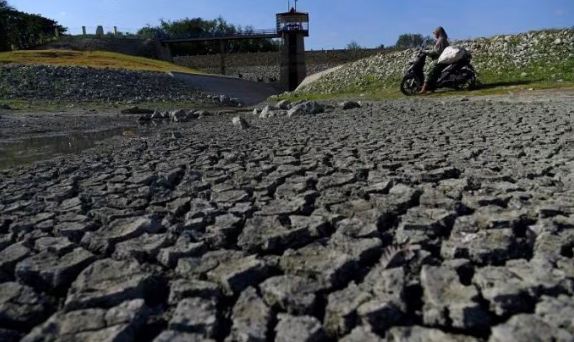
Indonesia’s success in maintaining food production during the 2026 dry season will be heavily determined by the availability and smooth operation of irrigation systems. Professor of Geophysics and Meteorology at IPB University, Hidayat Pawitan, assesses that this year’s dry season is not yet classified as extreme, but the government still needs to ensure water supply for rice production centres is maintained. According to Hidayat, the 2026 dry season remains within normal limits for Indonesia. Relatively warm sea surface temperatures also mean rain is still likely in many regions, so the threat to national food production is not yet too great. “I think the 2026 dry season will not be extreme as once stated by the UN Secretary-General regarding a strong El Nino. I see it as still within the normal dry season limits for the Indonesian region, with a relatively warm sea surface so that rain still often comes in many areas,” Hidayat told Media Indonesia on Wednesday (10/6). Nonetheless, he warned that the risk of drought still lurks in areas that are historically prone to drought and lack support from reservoirs or adequate technical irrigation networks. Such regions are more vulnerable to production disruptions or even crop failure when rainfall decreases over a long period. Conversely, paddy fields that are connected to technical irrigation systems are estimated to be able to maintain productivity and even potentially increase yields during the dry season. “For regions that have irrigation support with a technical paddy field area of around 4.3 million hectares, the 2026 dry season actually has the potential for higher productivity. This usually covers 10 of Indonesia’s main rice-producing provinces,” he said. Therefore, Hidayat believes the government’s primary focus should be directed at water resource management, specifically ensuring reservoirs and irrigation networks function optimally during the dry season. According to him, farmers’ ability to anticipate the impacts of drought is relatively limited, so strong policy support and coordination from the central and regional governments are needed. “What is important is the command from the Ministry of Agriculture to be more prepared with priority programmes to face dry conditions and to coordinate with regional governments in major rice-producing provinces, for example by ensuring the smooth operation of irrigation from existing reservoirs,” he stressed. He added that success in maintaining water distribution to agricultural land will be the determining factor in sustaining national rice production amidst the early arrival of the dry season this year. With adequate irrigation support, national food security is believed to be maintainable although a number of regions face drought risks.