
Irjen Agus's Strategy to Achieve the Zero Over-Dimension and Overload Programme 2027
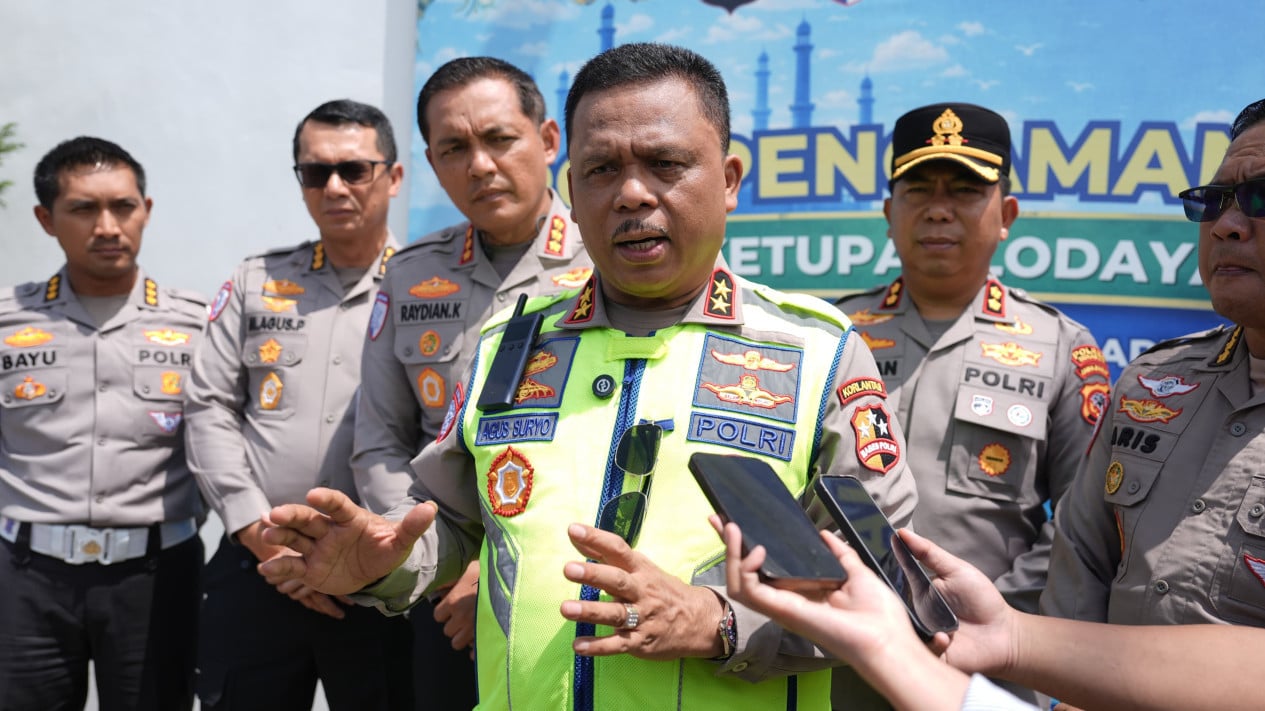
Jakarta, VIVA – The Head of the Indonesian National Police Traffic Corps, Irjen Agus Suryonugroho, has emphasised the importance of strategic measures and cross-sector collaboration in supporting the Zero Over-Dimension and Overload Programme 2027. According to the Head of Traffic Corps, this is based on directives from the Police Chief, General Listyo Sigit Prabowo. This emphasis was conveyed by Irjen Agus during instructions to the ranks of the National Police Traffic Corps. He stated that the implementation of law enforcement against vehicles exceeding dimensions and loads cannot be done instantly. A mature staging is required, starting from socialisation, education, to coordination with relevant ministries and stakeholders so that the policy can run effectively and with minimal resistance in the field. “Regarding the Zero Over-Dimension and Overload Programme 2027, strategic steps must be prepared starting now, both in terms of socialisation and the stages of law enforcement,” said Agus. He asked the ranks of the Traffic Law Enforcement Directorate and the operational field to prepare the best formulation in implementing the programme, including the possibility of socialisation stages before maximum enforcement is carried out. Agus assessed that handling over-dimension and overload vehicles requires comprehensive readiness because it involves many sectors, from transportation, logistics, to the safety of other road users. According to him, synergy between the National Police Traffic Corps, the Ministry of Transportation, local governments, and related stakeholders is the main key in realising the Zero Over-Dimension and Overload target for 2027. In addition, he also emphasised that the programme is part of efforts to improve security, safety, order, and traffic smoothness in Indonesia. With thorough preparation steps, Irjen Agus hopes that the implementation of policies towards Zero Over-Dimension and Overload 2027 can run optimally while increasing the culture of traffic discipline in society.