
IRGC: Strait of Hormuz Closed Until US Meets Conditions, 'This Is a Battlefield'
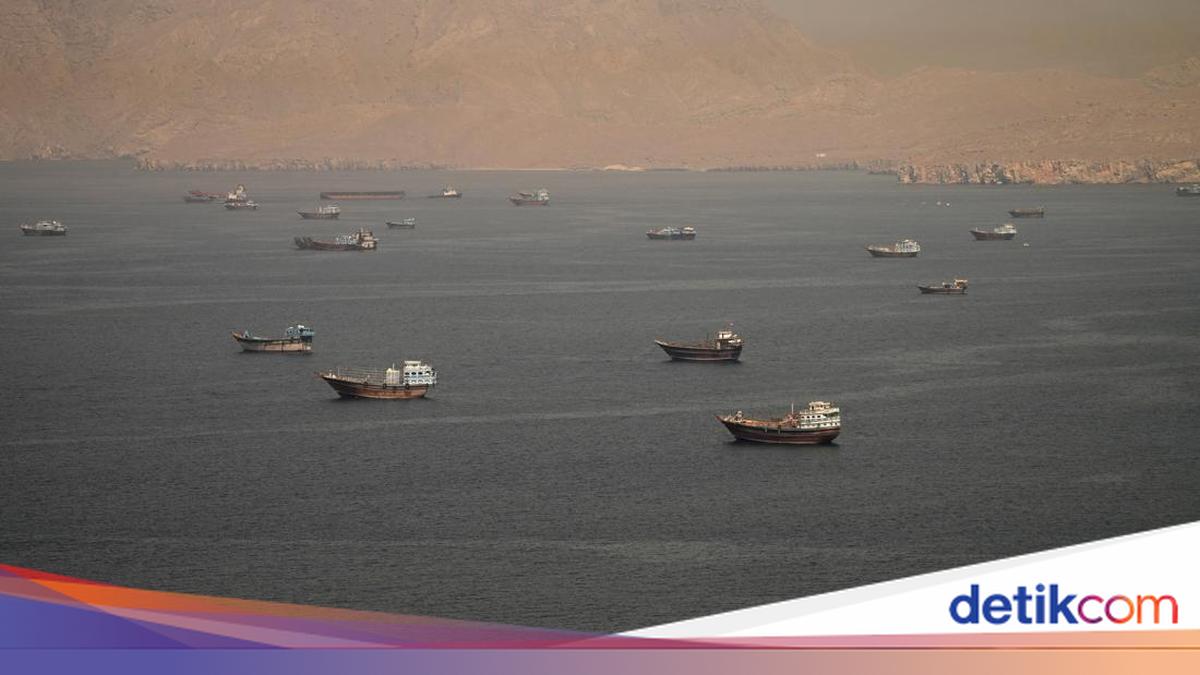
Iran’s Islamic Revolutionary Guard Corps (IRGC) has stated it will not reopen the Strait of Hormuz until the United States fulfils a set of conditions laid out by Tehran, including compensation for war damages. The IRGC declared its strategy is to maintain the closure, stating, ‘until the enemy accepts all our conditions… this strait is now a battlefield for us, not just a waterway.’
Foreign Minister Abbas Araghchi separately noted that discussions with Oman regarding traffic and management of the strait are ‘nearing their final stages’. However, he emphasised that the reopening of Hormuz is contingent on other conditions and compensation for violations of a prior agreement reached in June. Araghchi reiterated that Iran is not negotiating with the United States, but rather the two sides are merely ‘exchanging messages’ through intermediaries.
Iran’s security chief, Mohammad Bagher Zolghadr, previously outlined the demands for reopening the strait, which include an end to ‘war and aggression against Iran and its allies in Lebanon, Palestine, Yemen, and Iraq’. He also demanded the lifting of reciprocal US blockades on Iranian ports, the removal of sanctions, the unfreezing of assets, and compensation for war damages.
Araghchi also confirmed that negotiations with Oman regarding the establishment of new maritime routes in the Strait of Hormuz are progressing well and reaching their final stages. However, he stressed this does not mean the strategic waterway will be reopened. The existing routes will be replaced with new ones, with experts currently drafting the maps. ‘This certainly does not mean that the Strait of Hormuz is opened,’ he said, adding that reopening depends on the fulfilment of other conditions communicated to relevant parties through intermediaries. He described the talks with Oman as purely technical and legal, aimed at determining maritime routes first established in 1968.
Iran has maintained an effective blockade of the strait since the United States and Israel launched attacks in late February, planning to charge transit fees for passing ships while targeting vessels accused of attempting to evade Iranian-designated routes. The ongoing attacks in the waterway, which was freely navigable before the war, led to the collapse of an April ceasefire. Mediators have urged both sides to return to compliance with the terms of a June memorandum of understanding that outlined steps toward peace negotiations.