
Iraq Faces Funding Crisis as Hormuz Blockade Halts Oil Exports
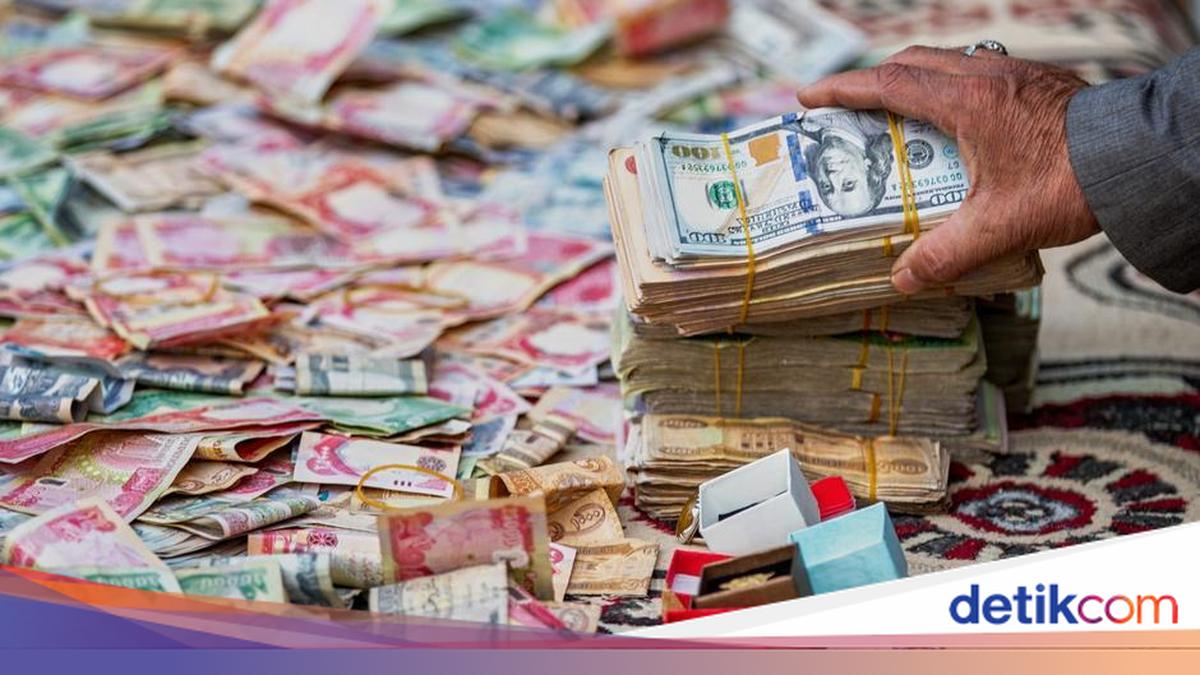
Despite being thousands of kilometres away, the blockade of the Strait of Hormuz is now being felt by Iraqi citizens. The closure of the strategic shipping route has made life increasingly difficult for many, as the government struggles to pay salaries due to a collapse in oil revenues.
For the past three months, Mahmoud Waleed, a 38-year-old teacher in Mosul, has experienced repeated salary delays. He is paid by the Ministry of Education, but because Iraq cannot export sufficient oil through the Strait, the government is running short of funds. ‘This delay has really affected us,’ Waleed told DW. ‘Like most people, we have financial obligations and daily needs. Now we are more convinced that we must cut spending and save money for emergencies, at least until the situation returns to normal.’
Similar anxieties are shared by Ahmed, a doctor in Mosul. ‘The future feels increasingly uncertain,’ he said. ‘This month, our salaries were delayed by more than ten days. The health minister explained that the country is experiencing a cash flow shortage, which has delayed salary payments. But we don’t know how long the next delay will be.’
In early August, the payment delays triggered small-scale protests across various regions, with university staff and electricity ministry employees taking to the streets. The state’s fiscal fragility stems from an overwhelming dependence on hydrocarbons; between 85 and 90 per cent of Iraq’s national budget is derived from oil exports. With a large and expanding public sector, roughly two-thirds of the country’s 30 million working-age population rely on the government for their livelihood, requiring between $6.5 billion and $8.2 billion monthly for salaries, pensions, and social benefits.
Since Israel and the United States launched strikes on Iran in late February, the blockade of the Strait of Hormuz has crippled Iraq’s main export route. Unlike other regional states, Iraq lacks adequate alternative export pathways. Oil exports fell by around 83 per cent in March compared to the same period last year, and by May, seaborne crude exports had plummeted by 97 per cent.
Rumours that salaries would soon be paid every 45 days instead of monthly sparked panic. The Iraqi government has sought to calm fears, announcing it still holds foreign currency reserves of $83 billion, alongside gold reserves and non-oil income, which it claims is sufficient to cover salaries for 10 to 11 months. However, UK-based consultancy Oxford Economics warned this week that shipping traffic through the Strait of Hormuz is unlikely to return to normal soon. Ben May, Director of Global Macro Research, stated that traffic volumes are expected to fluctuate with tensions until at least 2028, remaining well below pre-conflict levels on average.
Iraqi economist Ali Al-Rawi described the situation as a serious crisis that ‘extends beyond the oil sector,’ noting in an August report that ‘the entire Iraqi economy is now essentially dependent on oil revenues.’
While none of the public sector workers interviewed by DW plan to join demonstrations yet, researcher Hayder al-Shakeri of Chatham House believes prolonged salary delays could trigger more sectoral protests. He noted that the government has learned from the Tishreen protest movement of 2019-2021 and has mechanisms to prevent unrest from spreading. However, he warned that if salary delays coincide with electricity crises, inflation, and deteriorating public services, separate protests could become interconnected. ‘At that point, Iraq’s long-maintained stability will face a much more serious test,’ he said.
In response, Iraq is seeking to reduce its reliance on the Strait of Hormuz. A small portion of oil is now exported via a pipeline through Turkey, while some is transported by truck to ports in Syria. Last week, the government also announced plans to reactivate an oil pipeline.
Source: jawawa.id (https://jawawa.id/newsitem/iraq-faces-funding-crisis-as-hormuz-blockade-halts-oil-exports-1786611368)
Originally published by detikcom (https://news.detik.com/dw/d-8616935/akibat-perang-iran-irak-mulai-kehabisan-dana), translated from Indonesian